

Table of Contents
When Do You Need a Dumpster Permit?
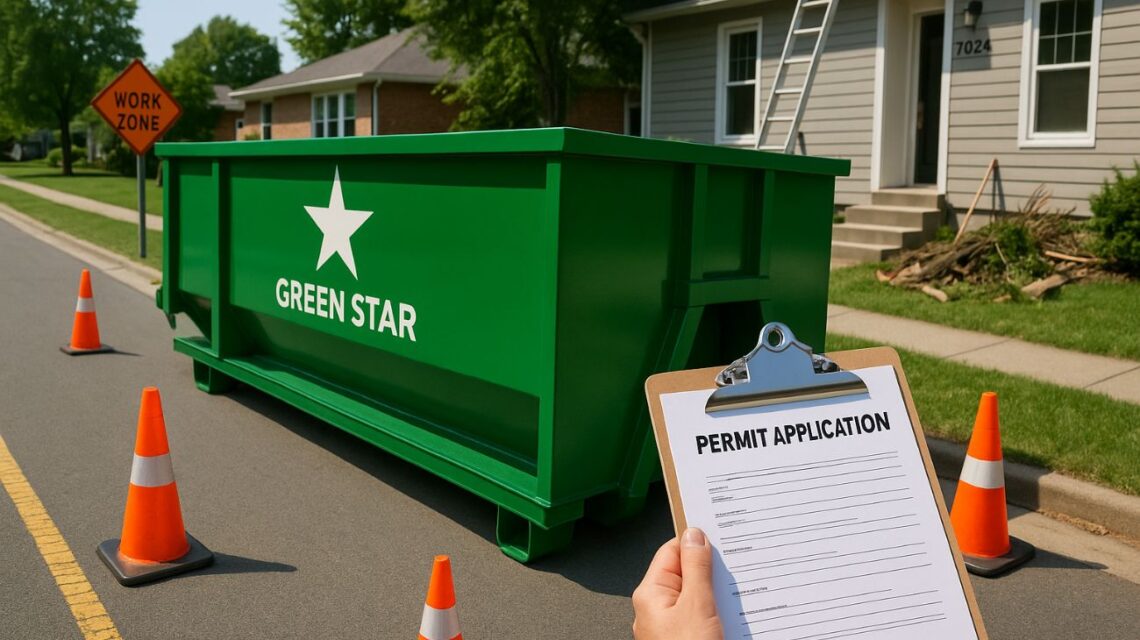
Planning to rent a roll off dumpster for your project? Understanding permit requirements is crucial for legal compliance and avoiding costly fines. Most municipalities require permits when dumpsters are placed on public property, including streets, sidewalks, or right-of-way areas. Our comprehensive guide walks you through the entire permit process, from determining requirements to successful approval.
Understanding Dumpster Placement Permits
A dumpster placement permit is an official authorization from your local government allowing temporary placement of a roll off container on public property. These permits ensure proper coordination with city services, maintain public safety, and minimize disruption to traffic flow and pedestrian access.
Why Permits Are Required
Local governments require dumpster permits for several important reasons:
- Public Safety: Ensuring adequate clearance for emergency vehicles and pedestrian traffic
- Traffic Management: Coordinating with existing road work and preventing congestion
- Property Protection: Avoiding damage to streets, sidewalks, and underground utilities
- Community Standards: Maintaining neighborhood aesthetics during temporary use
Types of Dumpster Permits
Different municipalities use varying terminology for dumpster permits. Here are the most common permit types you may encounter:
Right-of-Way Encroachment Permit
Required when your dumpster extends into public right-of-way areas, including portions of streets or sidewalks adjacent to your property.
Temporary Street Use Permit
Needed for dumpsters placed directly on roadways, requiring coordination with traffic management and parking restrictions
Construction Zone Permit
Comprehensive permits for larger projects involving multiple equipment pieces, often including dumpster placement provisions.
Lane Closure Authorization
Required when dumpster placement necessitates temporary closure of traffic lanes or significant impact on vehicle flow.
Do I Need a Permit for My Dumpster?
You need to know dumpster weight limits. This saves you money, time, and keeps everyone safe:
Private Property Placement
Generally, permits are not required when placing dumpsters entirely on private property, such as your driveway, backyard, or designated construction areas. However, some exceptions apply:
- Homeowner Association (HOA) restrictions may require notification or approval
- Local zoning ordinances might limit placement duration or container size
- Historic districts often have additional aesthetic requirements

Public Property Placement
Permits are typically required for any dumpster placement that:
- Extends onto public streets, even partially
- Blocks or narrows sidewalks or walking paths
- Occupies parking spaces or metered areas
- Interferes with public utilities or service access
⚠️ Important Compliance Notice
Comprehensive permits for larger projects involving multiple equipment pieces, often including dumpster placement provisions.
How to Apply for a Dumpster Permit
Step 1: Determine Permit Requirements
- Permit types and associated fees
- Required documentation and insurance
- Placement restrictions and safety requirements
- Maximum rental duration and renewal options
Step 2: Gather Required Documentation
Most permit applications require the following information:
Standard Permit Application Requirements
- Property owner information and contact details
- Detailed site plan showing exact dumpster placement
- Project description and estimated duration
- Proof of liability insurance coverage
- Traffic control plan (if applicable)
- Safety measures and protective equipment details
- Emergency contact information
Step 3: Submit Application and Pay Fees
- Online Portal: Many cities offer digital submission systems
- In-Person: Visit the appropriate city department office
- Mail: Send completed applications with payment
- Email: Some jurisdictions accept electronic submissions
Step 4: Await Approval and Follow Guidelines
Processing times vary by location, typically ranging from 2-10 business days. Once approved, ensure strict compliance with all permit conditions to avoid penalties or permit revocation.

Finding Your Local Permit Office
You need to know dumpster weight limits. This saves you money, time, and keeps everyone safe:
Common Department Names
Dumpster permits are typically handled by these municipal departments:
- Public Works Department
- Streets and Transportation
- Building and Zoning
- Code Enforcement
- Planning and Development
- Traffic Engineering
Online Research Tips
Use these search strategies on your city’s website:
- Look for “Permits” or “Services” sections in the main navigation
- Search for terms like “dumpster permit,” “right-of-way,” or “street use”
- Check department-specific pages for permit listings
- Review municipal codes and ordinances for detailed requirements
Working with Homeowner Associations
If your property is governed by an HOA, additional approval may be required regardless of city permit requirements. HOAs often have specific guidelines regarding:
Common HOA Dumpster Restrictions
- Placement Location: Restrictions on visible placement from street view
- Container Size: Limitations on maximum dumpster dimensions
- Rental Duration: Maximum allowable time limits
- Aesthetic Requirements: Screening or covering mandates
- Notification Process: Advance notice requirements to neighbors
Finding Your HOA Information
Locate your HOA contact information through these resources:
- Property deed or mortgage documents
- County recorder’s office records
- Real estate agent or title company
- Community bulletin boards or websites
Frequently Asked Questions About Dumpster Permits
Have questions? We’re here to help.