
Table of Contents
While our dumpsters can handle most types of waste, certain materials are restricted to avoid extra fees and comply with landfill regulations.
Keep in mind that prohibited items can vary depending on your location and the type of container you’re using. Roll-off dumpsters have different restrictions compared to commercial dumpsters, which are primarily used for regular business waste collection. Contact us to confirm which items are not allowed in your area.
What Is Not Allowed in a Dumpster?
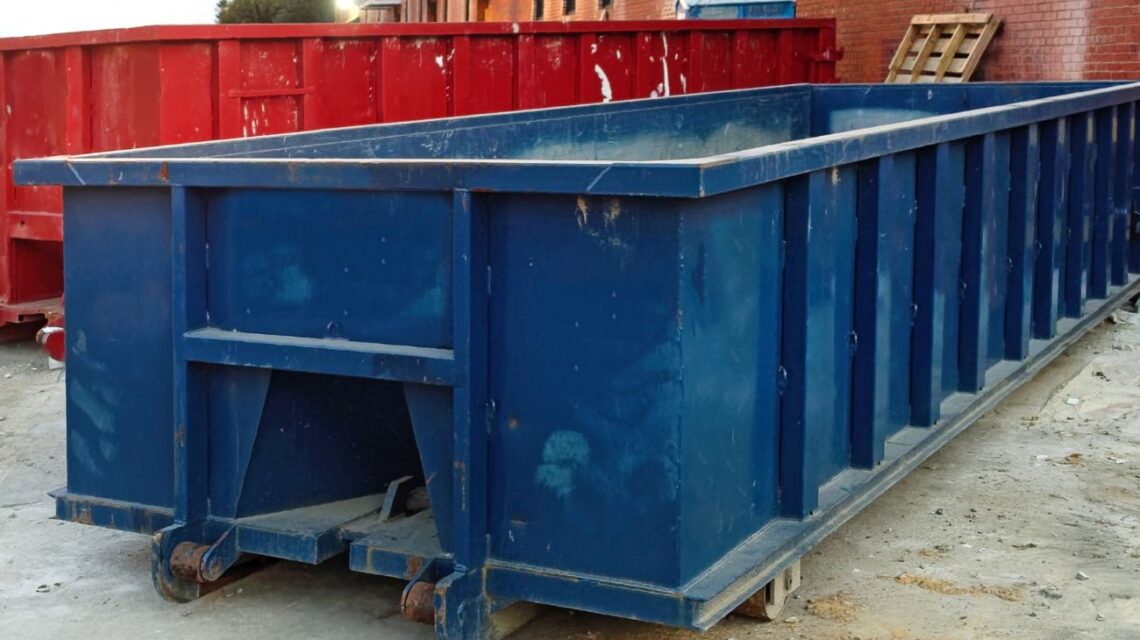
While most general household waste and [construction debris] can be disposed of in a roll-off dumpster, some materials require special handling due to environmental or safety concerns. Below is a list of commonly restricted items and the reasons they are not permitted.Restricted Items
Adhesives
Items such as glue or epoxy should be disposed of with regular household trash rather than in a dumpster. Loose adhesives can damage the container and cause debris to stick to its surfaces, making cleanup difficult.
Car Batteries
Car batteries contain hazardous chemicals like lead and acid, which can leak and cause environmental contamination. These should be taken to a recycling center or auto parts store that accepts used batteries.
Fluorescent Lightbulbs
These bulbs contain small amounts of mercury, which is toxic to both people and the environment. They should be disposed of at designated recycling or hazardous waste collection sites.
Food Waste
Dumpsters are not designed for large amounts of food waste, as it can attract pests and create strong odors. Food scraps should be composted or disposed of through municipal waste services.
Freon
Freon is a chemical refrigerant used in air conditioners and refrigerators. Due to its harmful effects on the ozone layer, it must be removed by a certified professional before disposing of the appliance.
Hot Water Tanks
These tanks can collect pressurized gas and may explode under certain conditions. Many local scrap metal facilities accept them for proper recycling.
Household Cleaners
Many household cleaners contain harsh chemicals that can be hazardous if leaked into the environment. Instead of tossing them in a dumpster, check with local hazardous waste disposal programs.
Inks & Resins
Printer ink, paints, and industrial resins can contain toxic chemicals that are harmful if released into landfills. Most office supply stores accept used ink cartridges for recycling.
Oils, Fuels & Propane Tanks
Flammable liquids like motor oil, gasoline, diesel, and propane are highly dangerous and should never be disposed of in a dumpster. These materials should be taken to an appropriate hazardous waste disposal facility.
Paint & Lacquers
Oil-based paints, lacquers, and stains contain harmful solvents and chemicals. Many communities offer paint recycling programs or disposal sites for safe handling.
Railroad Ties & Telephone Poles
These wooden materials are often treated with creosote or other chemicals, making them unsafe for landfills. Contact local waste management services for guidance on proper disposal.
Tires
Tires do not break down easily in landfills and can become breeding grounds for pests. Most auto shops or recycling centers accept used tires for proper disposal.
Hazardous Waste
Some materials are considered hazardous and cannot be disposed of in a roll-off dumpster. These items must be handled separately according to local environmental regulations.
Flammable or Ignitable Wastes
Materials such as gasoline, lighter fluid, and propane are highly flammable and pose a fire hazard. They should be taken to designated hazardous waste disposal sites.
Corrosive Wastes
Substances like acids, bleach, and ammonia can corrode metal containers and harm the environment. Check local disposal guidelines for safe handling options.
Reactive Wastes
Certain chemicals can react when mixed with other substances, creating explosions or toxic fumes. These include pool chemicals and certain industrial cleaners.
Toxic Wastes
Pesticides, herbicides, and certain industrial solvents contain toxic compounds that can contaminate soil and water. They should be disposed of through hazardous waste collection programs.
Biohazardous or Infectious Wastes
Medical waste, needles, and anything contaminated with bodily fluids can spread disease and should only be disposed of through medical waste services.
Items You Can’t Put in a Commercial Dumpster
While commercial dumpsters are suitable for most business waste, certain restrictions still apply. Hazardous materials and other specific debris types are not permitted due to safety concerns. Additionally, oversized or bulky items may require special handling or transport to designated disposal facilities. The table below highlights common items that cannot be disposed of in a commercial dumpster and suggests proper disposal methods.| Disposal Recommendation | |
|---|---|
| Fuels, Oils & Batteries | Contact a hazardous waste disposal service for safe handling. |
| Industrial Drums & Liquid Chemicals | Use a drum disposal or chemical collection service. |
| Medical Waste | Arrange for disposal through a certified medical waste collection provider. |
| Tires | Drop off at a local tire recycling facility or auto shop. |
| Appliances | Rent a |
| Construction, Remodeling & Roofing Materials | Use a construction dumpster for proper disposal. |
| Concrete, Brick, Dirt & Asphalt | A |
FAQ About Prohibited Items
What types of waste are not allowed in a dumpster?
Some materials, such as hazardous chemicals, batteries, flammable liquids, and medical waste, are prohibited in dumpsters due to safety and environmental regulations. Additionally, certain bulky items may require special disposal methods.
How can I find out what items are restricted?
The list of prohibited items can vary based on dumpster type and local regulations. Checking with your waste service provider or reviewing your rental agreement will give you the most accurate information.
What are the consequences of disposing of banned materials?
Throwing prohibited items in a dumpster can result in additional fees, rejection of the waste pickup, or even fines. In some cases, improper disposal of hazardous waste can lead to legal consequences.
Are dumpster restrictions different depending on location?
Yes, each city or state may have unique disposal regulations, especially for hazardous materials and electronic waste. Be sure to check local guidelines to ensure compliance.
What should I do with hazardous or oversized waste?
Hazardous waste, appliances, and large debris should be taken to designated disposal or recycling facilities. Some items, like electronics or tires, may have specialized collection services for safe disposal.
Rent A Dumpster Online Now
Need a dumpster in LA? Fill the form below!