
Table of Contents
For large-scale projects that generate significant debris, the 30 yard dumpster delivers the capacity you need without jumping to the largest available size. It’s the workhorse of major renovations, commercial cleanouts, and construction projects where a 20 yard falls short but a 40 yard seems excessive.
This comprehensive guide covers 30 yard dumpster dimensions, rental costs, ideal applications, and everything else you need to know to determine if this size matches your project requirements.
Key Notes
- Dimensions: A 30 yard dumpster measures approximately 21’11” long × 7′ wide × 5’2″ tall, providing substantial capacity in a manageable footprint.
- Capacity: Holds 30 cubic yards of debris – equivalent to 2,500-3,250 trash bags or roughly 10-12 pickup truck loads.
- Cost: Expect $500-$800 for a weekly rental in Los Angeles, depending on materials and rental duration.
- Best For: Large renovation and demolition projects, whole-house cleanouts, estate cleanups, construction sites, and commercial projects.
- Weight Limit: 4-5 tons (8,000-10,000 lbs) for general debris. No dirt or concrete allowed.
What Is a 30 Yard Dumpster?
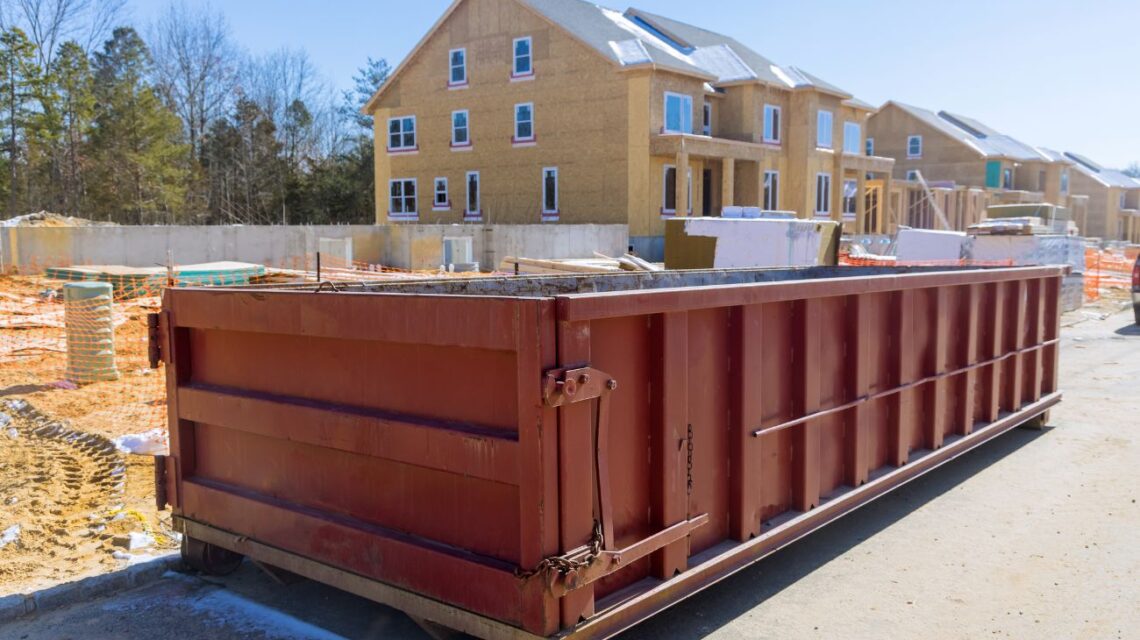
A 30 yard dumpster is a large roll-off container designed for substantial debris volumes. Holding 30 cubic yards of material, it serves as the go-to option for projects that exceed residential scale but don’t require the massive capacity of a 40 yard container.
The 30 yard shares the same length and width as the 20 yard but features taller walls – adding roughly 1.5 feet of height that translates to 50% more capacity. This design maintains a similar footprint while dramatically increasing how much you can dispose of in a single rental.
Construction contractors, property managers, and homeowners tackling major renovations frequently choose the 30 yard. It handles everything from complete home gut-outs to commercial buildout debris, making it one of the most versatile sizes for large projects.
30 Yard Dumpster Dimensions
Understanding the exact specifications helps you plan placement and ensure your site can accommodate delivery.
Measurement | Specification |
Length | 21’11” (approximately 22 feet) |
Width | 7′ (7 feet) |
Height | 5’2″ (approximately 5 feet) |
Cubic Capacity | 30 cubic yards |
Weight Capacity | 4-5 tons (8,000-10,000 lbs) |
The 5-foot walls are notably taller than smaller dumpsters. While this increases capacity significantly, it also means loading requires more effort. Most people can still toss debris over the sides, but the rear door becomes essential for heavier or bulkier items.
Space Requirements:
- Minimum driveway length: 25-30 feet
- Minimum width: 10-12 feet
- Overhead clearance: 22-23 feet for the delivery truck
- Approach access: 60+ feet of straight clearance for maneuvering
How Much Does It Cost to Rent a 30 Yard Dumpster?
Rental costs vary based on your location, rental duration, and the type of materials being disposed of.
Average Rental Costs in Los Angeles:
Rental Period | Estimated Cost |
3-Day Rental | $400-$550 |
7-Day Rental | $500-$800 |
10-Day Rental | $600-$900 |
2-Week Rental | $700-$1,000 |
Standard Inclusions:
- Delivery to your location
- Scheduled pickup
- Disposal at an authorized facility
- Rental period as agreed
- Environmental handling fees
Potential Additional Costs:
- Weight overages: $75-$125 per ton beyond included allowance
- Extended rental: $20-$35 per additional day
- Prohibited items: Mattresses, appliances, tires may incur extra fees
- Permits: $50-$150 for street placement
Cost Efficiency Tip: The 30 yard often provides better value than renting a 20 yard twice or scheduling multiple pickups. If your project generates substantial debris, the larger upfront investment typically saves money overall.
What Can You Fit in a 30 Yard Dumpster?
The 30 yard dumpster’s generous capacity handles major projects:
Capacity Equivalents:
- Complete whole-house renovation debris
- 2,500-3,250 standard trash bags
- 10-12 full pickup truck loads
- 500+ sq ft deck demolition
- Full roof tear-off (3,000+ sq ft)
- Entire estate or foreclosure cleanout
Commonly Accepted Materials:
- Construction and demolition debris
- Roofing shingles and underlayment
- Lumber, framing, and plywood
- Drywall and plaster
- Flooring materials (carpet, tile, hardwood)
- Large furniture and appliances (check first)
- Old fencing and deck materials
- General household items
- Yard waste and landscaping debris
Materials NOT Allowed:
The 30 yard has specific restrictions:
- Dirt and soil – Use a 10 yard lowboy instead
- Concrete, brick, and stone – Requires heavy-debris dumpsters
- Hazardous materials – Chemicals, oils, solvents
- Batteries and electronics – Require specialized recycling
- Paint – Unless completely dried
- Refrigerants – Appliances like fridges and AC units
- Medical or biohazardous waste
Ideal Uses for a 30 Yard Dumpster
The 30 yard excels in high-volume scenarios:
Major Renovation and Demolition Projects
When you’re gutting significant portions of a home or commercial space, debris accumulates rapidly. The 30 yard handles:
- Complete kitchen or bathroom demolition
- Multi-room gut renovations
- Structural modifications and wall removal
- Full flooring tear-out throughout a property
- Complete HVAC system replacement debris
Whole-House Cleanouts
Estate sales, foreclosures, and hoarding situations often require removing an entire home’s contents. The 30 yard accommodates:
- Furniture from every room
- Decades of accumulated items
- Stored belongings from attics, basements, garages
- Appliances and fixtures
- General household debris
Commercial and Industrial Projects
Business renovations and cleanouts generate substantial waste:
- Office buildout demolition
- Retail space renovations
- Warehouse cleanouts
- Restaurant remodels
- Industrial equipment removal
Large Roofing Projects
Full roof replacements on larger homes or commercial buildings require significant disposal capacity. The 30 yard handles shingle tear-off from 3,000+ square feet, plus underlayment, flashing, and associated materials.
Construction Sites
New construction and major additions generate continuous debris streams. The 30 yard provides adequate capacity for:
- Framing cutoffs and scraps
- Packaging materials
- Damaged or excess materials
- General job site waste
30 Yard vs. Other Dumpster Sizes
Selecting between sizes? Here’s how the 30 yard compares:
Feature | 20 Yard | 30 Yard | 40 Yard |
Dimensions (L×W×H) | 22′ × 7′ × 3’6″ | 22′ × 7′ × 5’2″ | 24′ × 8′ × 8′ |
Cubic Capacity | 20 yards | 30 yards | 40 yards |
Trash Bag Equivalent | 2,000-2,600 | 2,500-3,250 | 3,200-4,200 |
Pickup Truck Loads | 8 | 10-12 | 14-16 |
Wall Height | 3’6″ | 5’2″ | 8′ |
Weight Limit | 3-4 tons | 4-5 tons | 5-6 tons |
Average Weekly Cost | $400-$650 | $500-$800 | $600-$900 |
Choose the 30 Yard When:
- Your project exceeds what a 20 yard can handle
- You need capacity for major renovations or cleanouts
- You want to avoid the significantly larger footprint of a 40 yard
- You’re managing a construction site or commercial project
Choose a Different Size When:
- 20 yard: Medium projects, single-room renovations, standard cleanouts
- 40 yard: Massive projects, new construction, commercial demolition
- 10 yard lowboy: Heavy materials like concrete or dirt
Placement and Delivery Requirements
Proper preparation ensures smooth delivery and optimal positioning:
Pre-Delivery Checklist:
- Verify dimensions – Confirm 25-30 feet length, 10-12 feet width available
- Check overhead clearance – Remove or trim any obstructions below 23 feet
- Clear the placement area – Move all vehicles, equipment, and obstacles
- Assess truck access – Ensure 60+ feet of straight approach clearance
- Protect surfaces – Consider plywood under the container for delicate surfaces
- Notify neighbors – If delivery affects shared access or parking
Placement Options:
- Commercial parking lots – Most common for business projects
- Driveways – Residential placement with adequate space
- Construction sites – Position for worker efficiency and material flow
- Street placement – Requires permit; must follow local regulations
Los Angeles Permit Requirements:
Street placement requires permits from your local municipality. Requirements vary across LA County jurisdictions:
- Permit fees typically range from $50-$150
- Most cities require safety markers or reflectors for street placement
- Duration limits may apply
- Some areas restrict placement during specific hours or days
Contact your local public works department or ask your dumpster provider about specific requirements for your area.
Loading Tips for Maximum Efficiency
The 30 yard’s larger capacity requires strategic loading:
Loading Strategy
- Start flat and heavy – Create a stable base with plywood, drywall, and heavy flat items
- Build layers – Work upward systematically rather than piling randomly
- Use the door – Walk in heavy items, roll wheelbarrows through the rear access
- Fill voids – Pack smaller debris into gaps between larger items
- Distribute weight – Spread heavy items across the floor, don’t concentrate on one end
- Stop at the rim – Never pile debris above the container’s top edge
Maximize Capacity
- Disassemble furniture before loading
- Cut long lumber to fit flat
- Flatten boxes and crush collapsible items
- Remove drawers from dressers and desks
- Break down pallets and crates
Weight Management
The 30 yard’s volume often exceeds what the weight limit allows when disposing of dense materials. Monitor weight carefully if loading:
- Roofing shingles
- Large amounts of drywall
- Heavy furniture
- Appliances
- Multiple mattresses
FAQ About Recycling
How long can I keep a 30 yard dumpster?
Standard rentals are typically 7-14 days. Extensions are available for an additional daily fee. For construction projects requiring longer durations, ask about extended rental packages.
Can I put appliances in a 30 yard dumpster?
Most appliances are acceptable, but refrigerators, freezers, and air conditioners containing refrigerants require special handling. These typically incur an additional fee for proper refrigerant removal. Always check with your provider.
What if my debris weighs more than the limit?
You’ll be charged an overage fee (typically $75-$125 per ton over the included limit). If you’re disposing of heavy materials, discuss your situation upfront – providers can often adjust weight allowances or recommend appropriate solutions.
Is the 30 yard too big for residential use?
Not necessarily. While more common for commercial projects, homeowners undertaking major renovations, whole-house cleanouts, or significant landscaping projects often find the 30 yard appropriately sized. The key factor is your project scope, not property type.
How do I know if a 30 yard will fit?
Measure your intended placement area. You need approximately 22 feet of length, 10 feet of width, and clear overhead space. The delivery truck also requires 60+ feet of approach clearance. If unsure, share photos with your dumpster provider – they can advise on feasibility.
Schedule Your 30 Yard Dumpster Rental
The 30 yard dumpster provides the heavy-duty capacity needed for major projects without the massive footprint of the largest containers. Whether you’re managing a construction site, executing a complete renovation, or handling a substantial cleanout, this size delivers the volume to keep your project moving efficiently.
Green Star Roll Off provides 30 yard dumpster rentals throughout Los Angeles and the San Fernando Valley. Our experienced team can help you determine if the 30 yard suits your needs and ensure smooth delivery and pickup.
Call 818-457-7711 or get a free quote to reserve your 30 yard dumpster today.