
Table of Contents
What is Recycling
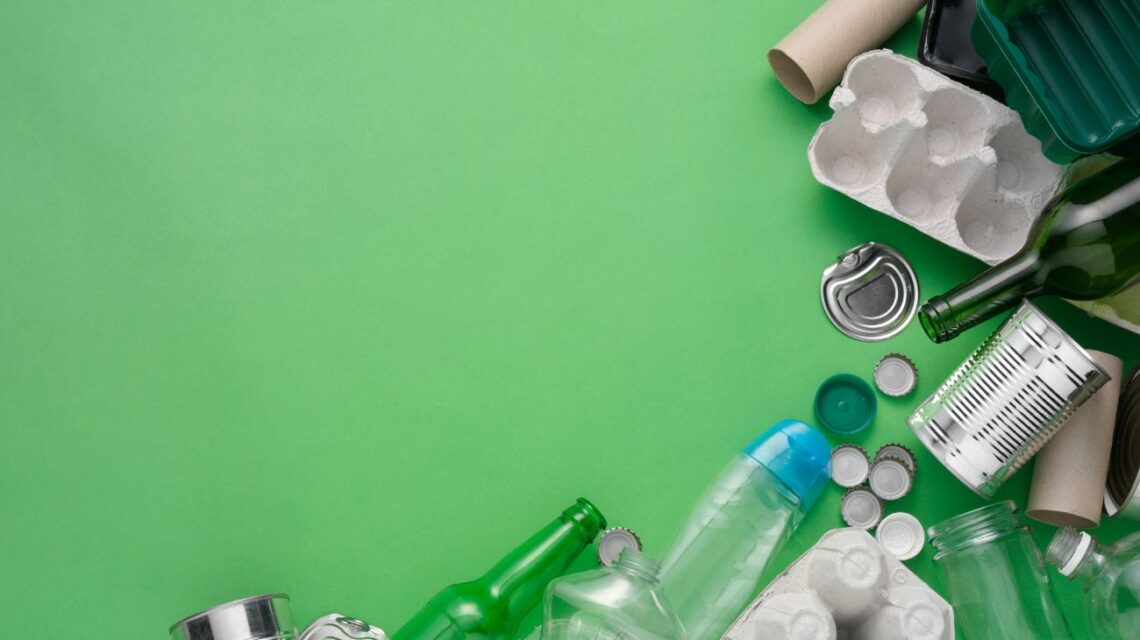
Recycling is the process of collecting, sorting, and converting materials that would otherwise be thrown away as trash into new products. By recycling, you help conserve natural resources, reduce landfill waste, and protect the environment. Proper recycling can significantly cut down on pollution and resource depletion.
Why Recycling Matters
- Environmental Protection: Minimizes the volume of trash in landfills, safeguarding local habitats.
- Resource Conservation: Decreases the need for raw materials and saves energy.
- Community Health: Improves air quality and reduces litter, creating a cleaner, healthier city.
- Local Economy: Supports green jobs and sustainable business initiatives.
Three Basic Rules of Recycling
These essential recycling guidelines help ensure materials stay clean and recyclable:
Rule 1
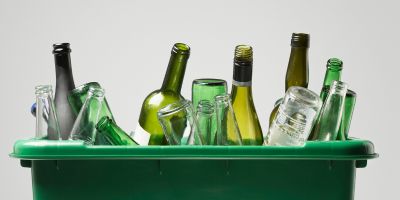
Recycle Bottles, Cans, Paper, and Cardboard

Rule 2
Keep Food and Liquid Out of Your Recycling
Rule 3
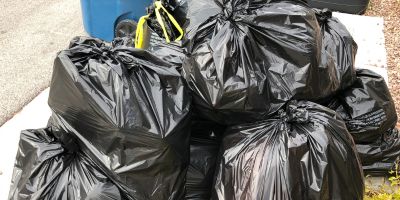
No Loose Plastic Bags or Bagged Recyclables
Recycling Guide
This section breaks down what can be recycled in many standard curbside programs, what isn’t typically accepted, and special items requiring unique handling. Always verify your local rules and collection guidelines.
Accepted in Your Bin
Plastic Bottles & Containers
- Included: Beverage bottles, milk jugs, detergent jugs, tubs, and jars.
- Preparation: Rinse to remove food residue; check local rules about caps.
- Why Recycle? Repurposed plastic reduces oil consumption and energy use.
Food & Beverage Cans
- Included: Aluminum soda cans, tin/steel food cans, and sometimes empty aerosol cans (check local acceptance).
- Preparation: Rinse cans thoroughly; remove labels if required.
- Why Recycle? Metal can be recycled endlessly without losing quality.
Paper
- Included: Newspapers, magazines, mail, office paper, envelopes.
- Preparation: Keep paper dry and clean; damp or soiled paper should go in the trash or compost if possible.
- Why Recycle? Recycling paper saves trees, water, and energy.
Flattened Cardboard & Paperboard
- Included: Corrugated boxes, cereal boxes, paperboard packaging.
- Preparation: Break down boxes to save space; remove tape if possible.
- Why Recycle? Cardboard is in high demand for packaging and shipping materials.
Glass Bottles & Containers
- Included: Glass beverage bottles, sauce jars, condiment jars.
- Preparation: Rinse and remove lids or rings; keep broken glass out of curbside bins (it can be dangerous).
- Why Recycle? Glass can be endlessly recycled into new bottles and jars.
Not Accepted in Your Bin
No Bagged Recyclables
- Reason: Material Recovery Facilities (MRFs) often treat bagged items as trash, since contents can’t be sorted.
- Tip: Empty recyclables loosely into the bin to ensure proper sorting.
No Plastic Bags
- Reason: Plastic film tangles in machinery, halting recycling operations.
- Alternative: Reuse bags or drop them off at designated plastic film recycling sites.
No Plastic Wrap & Film
- Reason: Items like bubble wrap, sandwich bags, and freezer bags are not accepted in curbside bins.
- Alternative: Consider reuse options or locate special recycling drop‐off programs.
No Flexible Packaging
- Reason: Chip bags and similar multi-layer pouches are not typically recyclable curbside due to mixed materials.
- Alternative: Dispose of them as trash or explore specialized recycling programs if available.
No Dirty Diapers or Pet Waste
- Reason: Organic waste contaminates recyclables, rendering them unusable.
- Alternative: Always place diapers and pet waste in the trash.
No Household Items
- Reason: Textiles, clothing, shoes, curtains, and small appliances are not accepted in standard curbside bins.
- Alternative: Donate usable items or schedule special pickups/bulk disposal for larger items.
Other Materials
These materials usually aren’t collected in standard curbside programs, but can often be recycled or safely disposed of elsewhere:
E-Waste (Electronics, Batteries)
- Examples: Laptops, cellphones, TVs, and lithium-ion batteries.
- Disposal: Take them to a certified e-waste recycler or local hazardous waste collection event. Avoid mixing with regular trash.
Household Hazardous Waste (HHW)
- Examples: Paints, solvents, pesticides, cleaning chemicals, medications, and sharps.
- Disposal: Drop off at designated HHW facilities or collection events. Never place in your curbside bin.
Yard Waste (Green Waste)
- Examples: Grass clippings, leaves, small branches.
- Disposal: Many areas provide separate green bins or compost programs. Check local guidelines for composting services.
Common Recycling Myths
Understanding and correcting misconceptions improves overall waste management:
- Myth: All containers must be squeaky clean
- Reality: A quick rinse is fine; no need for a deep scrub that wastes water.
- Myth: Plastic bags and wraps are curbside‐recyclable if they’re clean
- Reality: These materials typically require specialized recycling facilities or drop‐off programs.
- Myth: All glass items can be recycled
- Reality: Window glass, mirrors, and ceramics are generally different from food‐grade glass jars.
- Myth: Aerosol cans always go in the bin
- Reality: Check if only empty, depressurized cans are allowed; local policies may vary.
Ways to Recycle & Reduce Waste
Recycling is one piece of a broader waste reduction strategy. Consider these tips:
- Reduce & Reuse
- Buy products with minimal packaging
- Use durable, reusable items (bags, water bottles, containers)
- Repair and donate items instead of discarding
- Compost
- Turn kitchen scraps (fruit peels, vegetable trimmings) and yard waste into nutrient‐rich compost
- Reduce landfill waste and enrich garden soil
- Proper Sorting
- Place clear labels on bins to encourage correct disposal of recyclable items, trash, and compostables
- Follow recycling rules strictly for maximum efficiency
- Stay Informed
- Local regulations can change over time, so keep up‐to‐date with official waste management announcements
- Look for new collection programs, e‐waste drop‐offs, or seasonal hazardous waste events
Conclusion & Next Steps
Recycling is a simple yet powerful way to reduce waste, conserve resources, and protect the environment. By following these guidelines and Three Basic Rules, you’ll help maintain cleaner communities and pave the way for a healthier planet.
Want to take your waste management to the next level?
- Explore roll‐off dumpster rentals if you have large cleanup or remodeling projects.
- Explore roll‐off dumpster rentals if you have large cleanup or remodeling projects.
- Share these recycling tips with friends, family, and neighbors to foster a culture of sustainability.
Remember: Every item you correctly recycle keeps valuable resources in circulation and out of landfills. Together, we can make a substantial positive impact—one recyclable at a time.
FAQ About Recycling
Why is recycling important?
Recycling helps reduce landfill waste, conserves natural resources, saves energy, and minimizes pollution. It also supports the economy by creating jobs in the recycling and manufacturing industries.
What happens to my recyclables after they are collected?
Recyclables are taken to a Materials Recovery Facility (MRF), where they are sorted, cleaned, and processed into raw materials. These materials are then sold to manufacturers to create new products, reducing the need for virgin materials.
Can I recycle items that have food residue on them?
No, food residue contaminates recyclables, making them unrecyclable. Always rinse food containers before placing them in the recycling bin.
Why can’t I recycle plastic bags in my curbside bin?
Plastic bags and film get tangled in sorting machinery, causing delays and equipment damage. Instead, take plastic bags to designated drop-off locations, such as grocery stores with plastic bag recycling bins.
Are all plastics recyclable?
Not all plastics can be recycled. Check for the recycling symbol and number on plastic items. Some common plastics, like PET (#1) and HDPE (#2), are widely accepted, while others, like polystyrene (#6) or plastic film, require special recycling programs.
Why do I need to separate materials when recycling?
Some recycling programs require separating materials like glass, paper, and plastics to prevent contamination and improve processing efficiency. Check your local recycling rules to see if sorting is required.
Can I recycle paper with tape or staples on it?
Yes, small amounts of tape and staples are acceptable in most recycling programs. However, try to remove large amounts of tape when possible.
What should I do with electronic waste (e-waste)?
Electronics, such as phones, laptops, and batteries, should never go in the recycling or trash bin. Many communities have e-waste collection events or drop-off centers where these items can be safely recycled.
Rent A Dumpster Online Now
Need a dumpster in LA? Fill the form below!