

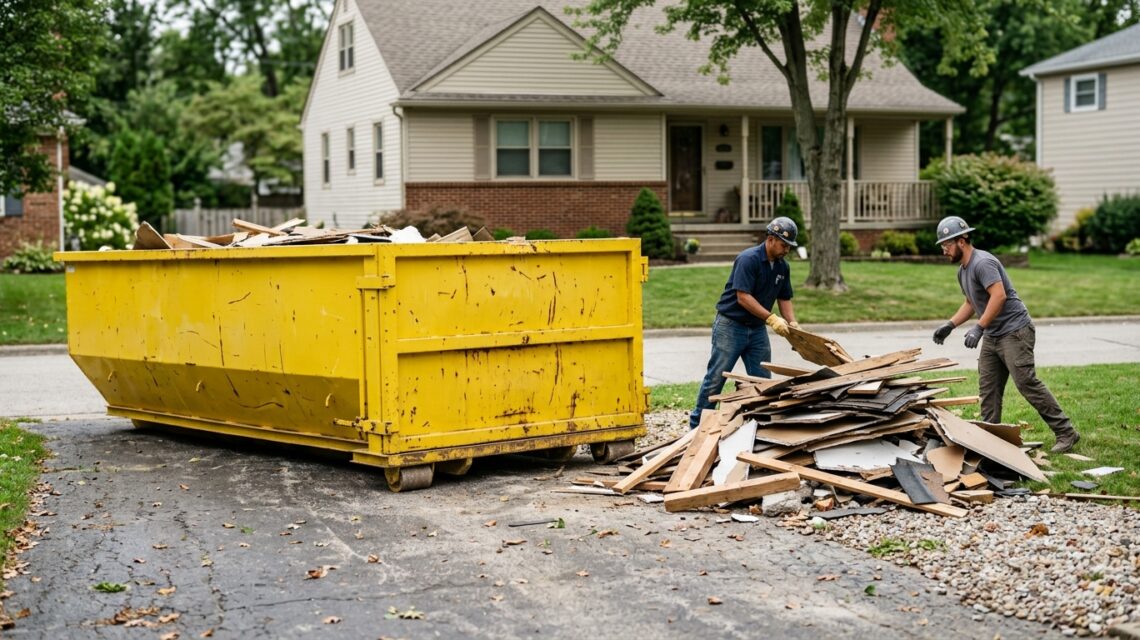
Ordering a dumpster without knowing exactly how much space it will take up—or how much debris it can actually hold—often leads to a driveway surprise or a rental that’s the wrong fit for the job. Knowing 20 yard dumpster dimensions upfront helps you plan your project site, confirm the unit will clear gates and tight spots, and gauge whether its capacity matches your cleanup, renovation, or construction needs. Green Star Roll Off breaks down the precise length, width, height, and weight limits of this popular size, along with real-world guidance on what it holds and when it’s the right choice.
Understanding Dumpster Volume: What Does a Cubic Yard Mean
What Is a Cubic Yard of Waste
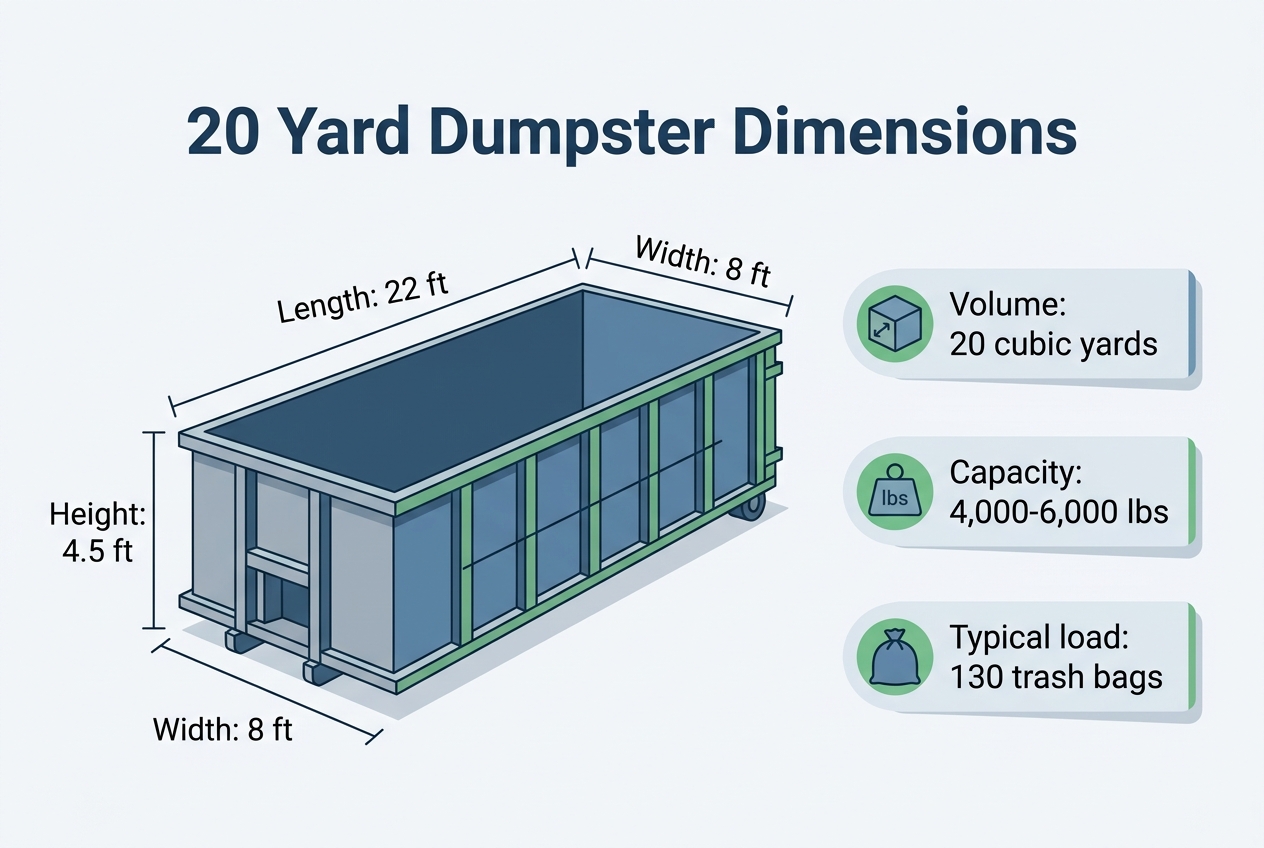
A cubic yard measures a space three feet long, three feet wide, and three feet tall. That block equals 27 cubic feet. Dumpster sizes are named after how many of these blocks fit inside the container. A 20 yard dumpster holds roughly 20 of these blocks, or about 540 cubic feet of material.
This system helps renters compare sizes fairly. Smaller jobs may only need a 10 yard dumpster rental, while massive teardowns often call for a 40 yard dumpster rental instead. Understanding cubic yards makes it easier to match container size to project scope before signing anything.
How Volume Translates to Real-World Trash
Numbers alone can feel abstract. So picture familiar objects instead. Twenty cubic yards holds about 130 standard kitchen trash bags. It also equals roughly 6 pickup truck loads of debris, stacked and hauled one at a time.
Think of furniture, too. A 20 yard container can swallow several sofas, mattresses, and dressers from a full house cleanout. Contractors often picture it as enough space for flooring torn from a mid-size home. This mental math helps renters avoid guessing and choose with confidence.
20 Yard Dumpster Dimensions Explained
Standard Length, Width & Height
A 20 yard dumpster measures about 22 feet long, 7.5 feet wide, and 4.5 feet tall. Sizes vary slightly by manufacturer. This box holds roughly 20 cubic yards of debris, equal to about six pickup truck loads. Picture a small U-Haul trailer, or two full-size SUVs parked end to end. That gives a rough sense of the footprint before delivery. For a broader look at how these measurements compare across container types, check this guide on roll off dumpster dimensions.
Weight Capacity and Load Limits
Most 20 yard containers carry a weight limit between 3 and 4 tons. Heavier materials, like concrete or shingles, fill the limit fast, even with empty space left inside. Lighter debris, like furniture or drywall, often hits the volume limit first.
| Spec | Measurement |
|---|---|
| Length | 22 ft |
| Width | 7.5 ft |
| Height | 4.5 ft |
| Weight Limit | 3–4 tons |
Door Types and Loading Access
Many 20 yard units include a swing-open rear door, making it easy to wheel in heavy items like appliances. This feature saves effort compared to lifting debris over the walls. Some models skip the door entirely, requiring overhand loading instead. Checking door access matters most for driveway or garage cleanouts.
What Fits Inside a 20 Yard Container
Estimated Trash Bag and Furniture Capacity
A 20 yard dumpster holds about 130 to 150 standard trash bags. That capacity makes it a strong match for medium cleanouts. Volume, not weight, usually fills this container first.
- Roughly 6 to 8 rooms of household furniture, including couches, dressers, and mattresses.
- Several large appliances, such as a refrigerator, washer, or stove, mixed with smaller debris.
- Around 130 to 150 kitchen-sized trash bags packed loosely into the container.
- A mix of old carpeting, small furniture pieces, and boxed household clutter from a full attic clean-out.
Bulky Items and Renovation Debris
Material type changes how much space debris actually uses. Dense materials fill weight limits fast, while bulky items fill volume fast. Homeowners tackling a full remodel with heavier loads often compare options like a 30 yard roll off dumpster before committing to size.
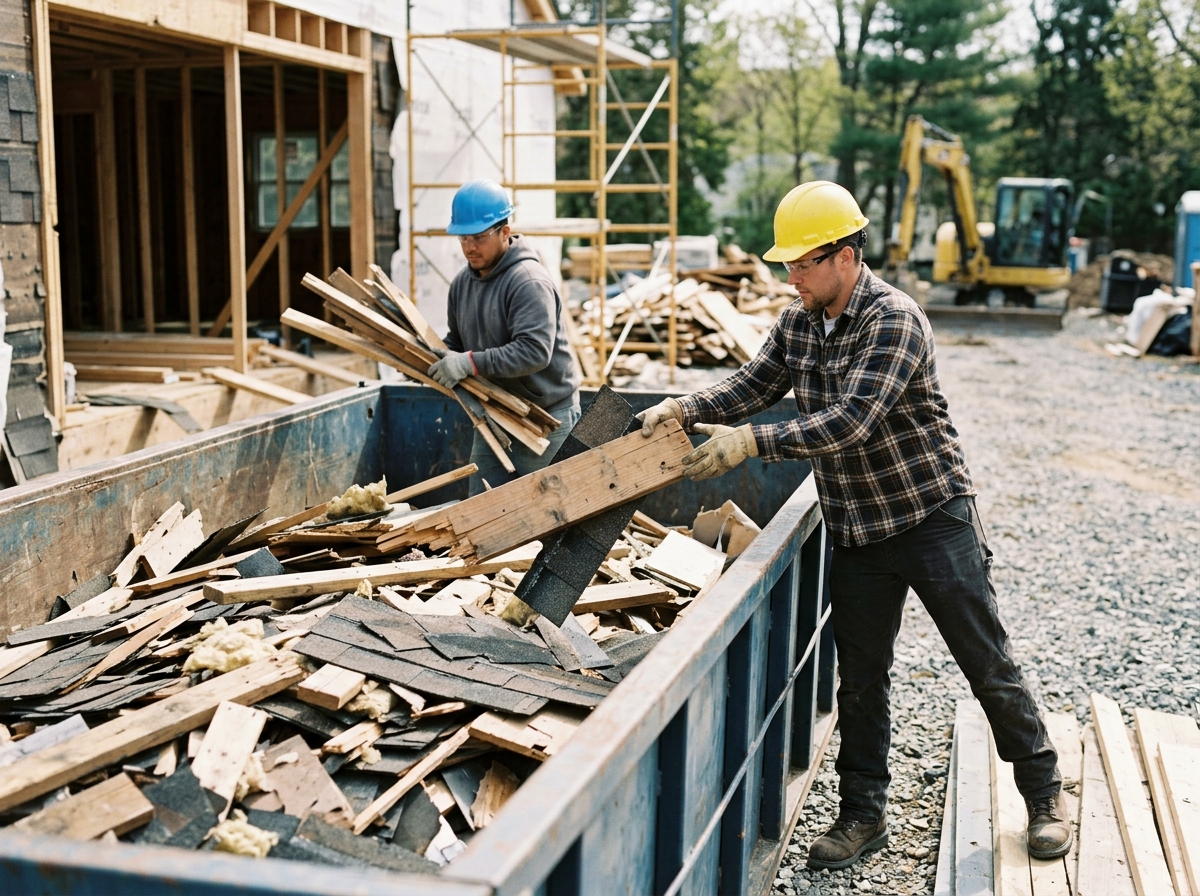
- Roofing shingles from a small to mid-size roof, since they are heavy and fill weight capacity quickly.
- Wood flooring, drywall, and framing scraps from a single-room renovation project.
- Concrete or brick in small quantities only, due to strict weight restrictions.
Best Projects for This Size Container
Home Renovation and Remodeling Jobs
A 20 yard container fits mid-size remodels well. Think kitchen upgrades with old cabinets, countertops, and drywall. It also handles bathroom gut jobs, including tubs, tile, and vanities. Most single-room projects generate two to three tons of debris, well within this dumpster’s limits.
Multi-room remodels work too, especially when contractors haul out materials in stages. Homeowners tackling flooring replacement alongside wall repairs often find this size strikes the right balance. It’s large enough for bulky debris but still fits in a standard driveway without crowding the property.
Roofing, Flooring, and Demolition Debris
Roofing tear-offs produce heavy, dense waste. Shingles, underlayment, and old flashing add up fast, so weight limits matter more than volume here. A roofing dumpster rental at this size typically covers a 2,000 to 2,500 square foot roof with asphalt shingles.
Flooring removal, including tile, hardwood, or carpet with padding, also fits comfortably. Small demolition jobs, like tearing down a shed or interior wall, generate manageable debris loads for this container.
Whole-Home or Garage Cleanouts
Garage cleanouts often mean years of accumulated junk: old furniture, tools, boxes, and scrap materials. This size handles a fully packed two-car garage without trouble. Whole-home cleanouts, common during moves or estate transitions, also fit well when spread across multiple rooms.
Many local businesses rent this size for office cleanouts too, clearing desks, filing cabinets, and outdated equipment. The versatility makes it a practical choice for projects that mix bulky items with smaller debris in one load.
Comparing the 20 Yard to Other Roll Off Sizes
Picking the right container gets easier when you line the sizes up side by side. The table below shows how the 20 yard dumpster stacks up against its closest neighbors in length, width, height, and typical use.
| Size | Length | Width | Height | Common Use |
|---|---|---|---|---|
| 10 Yard | 12 ft | 8 ft | 3.5 ft | Small cleanouts, garage clearing |
| 15 Yard | 16 ft | 8 ft | 3.5 ft | Bathroom remodels, yard debris |
| 20 Yard | 22 ft | 8 ft | 4.5 ft | Roofing, flooring, mid-size remodels |
| 30 Yard | 22 ft | 8 ft | 6 ft | New construction, additions |
| 40 Yard | 22 ft | 8 ft | 8 ft | Large demolition, commercial jobs |
10 and 15 Yard Containers
These smaller bins share the same width and height. Length is the main difference. Both suit light cleanouts and small renovation jobs, not heavy debris.
30 and 40 Yard Containers
These share the 20 yard’s footprint but stand much taller. That extra height adds volume without needing more driveway space, ideal for bulky commercial waste.
Choosing Between Similar Mid-Size Options
The 20 and 30 yard bins look nearly identical from the outside. Height is the deciding factor, so measure clearance before booking. For more specs, this roll off dumpster rental guide breaks down each size further.
How to Choose the Right Size for Your Project
Estimating Debris Volume Accurately
Start by picturing your project in cubic yards, not garbage bags. A single-room remodel might generate 3-5 yards of debris, while a whole-house cleanout can top 15 yards fast. Walk through the space and estimate volume room by room. Overestimating slightly is smarter than running short mid-project.
If the math feels tricky, use a dumpster size calculator to match your project type with an accurate yard estimate. This tool asks about square footage, material type, and project scope, then suggests a container size. It removes guesswork and helps you avoid paying for a second haul-away.
Accounting for Heavy Materials Like Concrete
Weight matters as much as volume. Heavy materials like concrete, brick, and dirt fill a dumpster’s weight limit long before it looks full. A 20 yard container might hold only 2-3 tons of concrete, far less than its bulky volume suggests.
Always check the rental’s weight allowance before loading dense debris. Mixing light and heavy materials, like drywall with concrete chunks, spreads weight more evenly.
Site Space and Access Considerations
Measure your driveway or curb space before booking. A 20 yard dumpster needs roughly 22 feet of clearance length and overhead room for delivery trucks. Tight alleys or low tree branches can complicate placement.
Consider ground surface too. Soft grass or gravel may need protective boards under the container. Many local businesses also check with property managers about permits when placing dumpsters on streets or shared lots.
Placement and Delivery Requirements
Choosing a Safe Delivery Location
A 20 yard container needs a flat, stable surface. Driveways work best because they offer solid ground and easy truck access. Avoid soft grass or gravel, since the weight can cause sinking or ruts. Aim for a spot close to your work area, but leave room for loading from the side or back.
Many local businesses place the bin near the curb when driveway space is limited. Before deciding, measure the area to confirm it matches the dumpster’s footprint plus a few extra feet on each side.
Permit Rules for Street or Curb Placement
Placing a dumpster on a public street or curb usually requires city approval. Rules vary by location, and fines can apply if you skip this step. Checking local dumpster permits requirements ahead of time saves time and avoids delays on delivery day.
Clearance Needed for Truck Access
Delivery trucks need at least 60 feet of straight clearance to place the container safely. Overhead space matters too, since low branches or wires can block the truck’s lifting arm. A 20 Yard Roll-Off Residential Dumpster Rental typically requires 10 feet of vertical clearance. Confirming this space early prevents rescheduling.
Preparing Your Property Before Drop-Off
Clearing the Loading Area
A 20 yard dumpster needs a flat, open space roughly the size of two parking spots. Before delivery day, measure your driveway or curb area and remove anything blocking the path. Trucks need extra clearance to angle the container into place, so clear access matters more than most homeowners expect.
Protecting Driveways and Landscaping
Heavy containers can crack asphalt or dent soft ground. Laying down plywood boards under the drop zone helps distribute weight and protects your surface. If you’re researching options through dumpster rentals los angeles san fernando valley, ask about protective boards, since many providers include them at no extra cost.
Sorting Materials Before Filling
Planning your loading order saves time and avoids costly mistakes. Consider these steps before the container arrives:
- Separate recyclable materials like metal and cardboard from general debris to reduce landfill fees.
- Set aside hazardous items such as paint cans or batteries, since these require special disposal.
- Break down large furniture pieces to save space inside the container.
- Group heavier debris like concrete or shingles for placement at the bottom of the load.
- Label piles by material type so loading stays organized once the dumpster is on-site.
Pricing Factors for This Container Size
Several factors shape the final price of a 20 yard container. Rental length, weight limits, and location all play a role. Understanding these variables helps you avoid surprise fees and plan your budget correctly. A closer look at dumpster rental cost breaks down these variables in more detail.
Typical Rental Period and Extension Fees
Most rentals include a standard window of 7 to 10 days. Extra days usually cost between $5 and $15 daily. Long projects should negotiate a longer term upfront to save money.
Weight Overage and Disposal Charges
A 20 yard dumpster typically allows 2 to 3 tons of debris. Heavier loads, like concrete or shingles, trigger overage fees per extra ton.
Regional Pricing Differences in Los Angeles
Prices shift based on neighborhood, landfill distance, and permit rules. Street placement needs a permit almost anywhere, while driveway placement usually doesn’t.
| Factor | Typical Range | Notes |
|---|---|---|
| Rental Period | 7–10 days | Extensions cost $5–$15/day |
| Weight Allowance | 2–3 tons | Overage fees apply per ton |
| Permit Fees | Varies by city | Required for street placement |
| Disposal Location | Varies by city | Distance affects trip cost |
Rules for Loading and Prohibited Materials
Every 20 yard dumpster rental comes with rules about what can go inside. These rules protect workers, haulers, and the environment. Knowing them before you load saves time and avoids extra fees.
Items You Cannot Throw Away
Certain materials are banned from every roll off container because they are hazardous or need special disposal. Prohibited items commonly include:
- Paint, solvents, and other flammable liquids that can leak or ignite during transport.
- Tires, batteries, and motor oil, which require separate recycling programs.
- Asbestos siding, insulation, or tile, since it poses serious health risks.
- Refrigerators, freezers, and air conditioners, unless refrigerants are removed first.
- Medical waste, propane tanks, and other pressurized or biohazard materials.
Loading Height and Overfilling Limits
Every container has a fill line marked along the top edge. Debris must sit below this line so a tarp can cover the load safely during transport. Overfilled bins create road hazards and often trigger extra charges. Keep heavy debris low and spread weight evenly across the floor. Stack lighter items on top, and avoid piling material above the walls, even if space looks available.
Frequently Asked Questions
How Long Can I Keep the Dumpster
Most rental periods run 7 to 10 days. This gives homeowners and contractors enough time to finish loading without rushing. Need more time? Extensions are usually available for a small daily fee, so a slower cleanout or renovation won’t cause problems.
Short weekend projects sometimes finish early, and swapping to a 15 yard dumpster rental for a smaller future job is easy to arrange. Always confirm the exact rental window before delivery. Ask about overage charges too, since fees vary if the container sits on your property longer than planned.
Can I Move It Once Delivered
No. Once the dumpster is placed, it should stay put. Moving a loaded roll off container yourself can damage your driveway, crack asphalt, or cause the unit to tip. It’s also a safety risk, since these bins weigh thousands of pounds even before you add debris.
If the location isn’t working, don’t attempt a DIY relocation. Instead, call and request a professional reposition. Trained drivers use specialized trucks to lift and shift the container safely, protecting both your property and the equipment.
With those measurements in hand, the next step is simply matching them against your own space — the driveway width, the overhead branches, the clearance a truck needs to back in and set the container down straight. Take a tape measure outside and check the spot you have in mind, then think honestly about the volume and weight of what you’re clearing, since a 20 yard box that fits perfectly but gets overloaded helps no one. And if the footprint turns out tighter than expected, a smaller container such as the 10 yard lowboy that Green Star Roll Off rents can slide into places a longer box never will.