

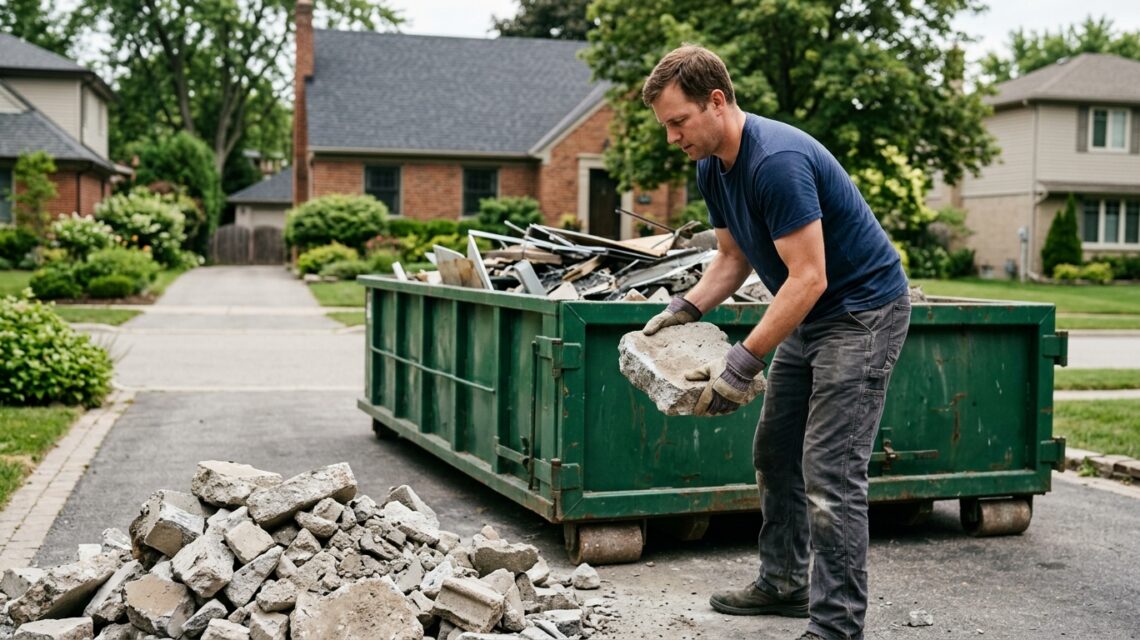
Small jobs deserve smart pricing, not a container built for a full home demo. A 10 yard dumpster hits that sweet spot for garage cleanouts, small remodels, and yard debris without the wasted space you’d pay for. Not knowing the right size, cost, or rental terms can turn a simple project into a headache, though. This guide breaks down the 8 best uses, real pricing, and rental tips to help you choose with confidence in 2026.
10 Yard Dumpster: What It Is and Who It’s For
Typical dimensions and weight capacity
A 10 yard dumpster runs roughly 12 feet long, 8 feet wide, and 3.5 feet tall. That’s small compared to the bigger roll-offs. Do the math and it works out to about 3-4 pickup truck loads of debris. That’s plenty for a weekend project but nowhere near what you’d need for a full home gut. Weight capacity varies, but this size is usually rated for heavier, denser loads rather than sheer volume.
What makes it different isn’t just the size, though. It’s the lowboy design — short walls, low sides, built for shoveling and wheelbarrow access rather than tossing bulky items over a tall edge. That’s a big deal when you’re moving dirt or broken concrete by hand. Trying to heave a wheelbarrow load over a 6-foot wall gets old fast. It’s not safe either.
Because it’s compact, the 10 yarder also fits into tight spots other sizes can’t touch. Narrow driveways, shared alleys, small side yards — this is the size that squeezes in where a 20 or 30 yard container simply won’t. If you’re comparing footprints, this one wins every time.
Who chooses this size most often
Homeowners tackling small residential jobs are the most common renters here. Think garage cleanouts, a single-room demo, or clearing out a shed full of old tools and scrap wood. It’s also the go-to pick for heavy, dense debris — dirt from a landscaping job, broken driveway concrete, old asphalt from a patio tear-out. That material is heavy per cubic foot, so you hit weight limits long before you’d fill the box. A smaller container actually makes financial sense here.
Contractors handling small-scale excavation or hardscape removal like this size for the same reason. It’s also a smart choice when space is tight and a permit for street placement might otherwise complicate things. Local staff who know the rules can walk you through when a driveway placement avoids that hassle entirely, since the permit filing itself stays the customer’s job. If your project is larger and more mixed — flooring, drywall, fixtures — the 20 yard roll-off tends to fit better. For bigger estate-scale jobs, reading up on a yard roll off dumpster gives a clearer sense of when to size up.
One more thing worth saying plainly: this isn’t the size for a whole-house renovation. People sometimes order it because it’s the cheapest option, then end up paying overage fees or ordering a second container. Size down only when the job actually calls for it. Once you’ve settled on the right fit, booking confirmed details usually arrive within minutes so delivery can happen the same day or next.
1. Small Bathroom or Kitchen Remodel Debris
Ripping out one bathroom or one kitchen produces a very predictable pile: old tile, chunks of drywall, a cracked vanity, maybe a tub or a run of cabinets. Kept to a single room, that debris usually lands under the weight limit for a 10 yard dumpster, which is why it’s the go-to size for this kind of job. Tile is heavy, though, so don’t get greedy and toss in patio pavers or extra concrete on top. Stick to the room, and the numbers work out fine.
The lowboy design matters more than people expect. Its side walls sit lower than a standard container, so you’re not hoisting a cast iron tub or a stack of tile over a tall lip. For anyone dealing with a bad back or a solo demo job, that detail alone makes the whole process less miserable. It’s the same reason contractors like it for loading debris straight off a wheelbarrow instead of lifting it twice.
Timing is the other piece. Single-room remodels tend to wrap in three to five days, sometimes a week if plumbing or electrical work is involved. A short term dumpster rental usually fits the job better than committing to a longer window you won’t use. If your remodel includes swapping out a water heater or running new HVAC lines, it’s worth understanding heating repair basics before demo starts, since that can change what gets torn out and how much debris you’re actually hauling. Book the container for the days you’ll really need it, then extend only if the tile guy runs late.
2. Dirt, Concrete, and Asphalt Removal
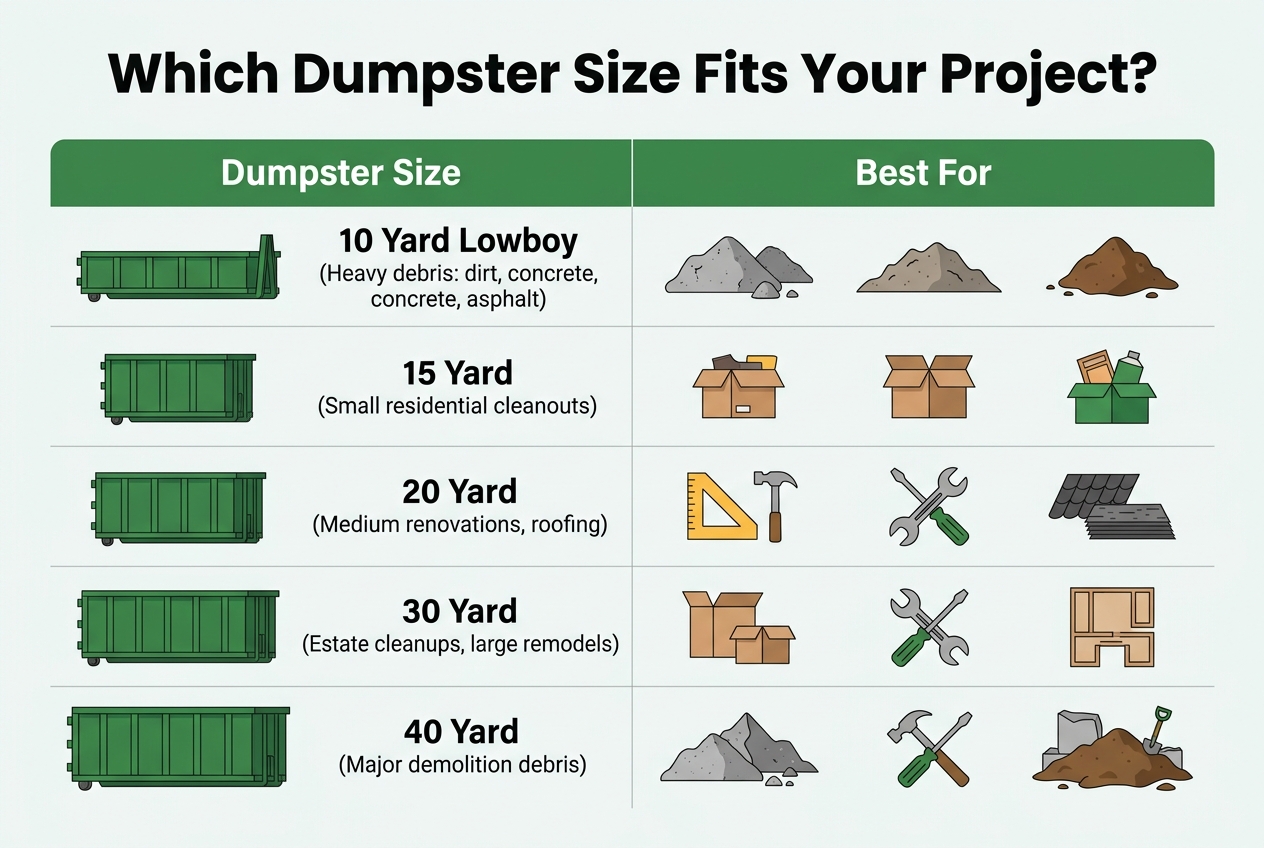
Here’s the thing about dirt and concrete: they’re heavy, not bulky. A 10 yard lowboy fills up on weight long before it looks full, which is exactly why it’s built for this job. The low sides make loading broken slabs and shoveled dirt far easier than heaving them over the tall wall of a bigger box. This is the container’s core purpose, not an afterthought. If you’re planning a driveway tear-out, a small patio demo, or clearing a few yards of excavated soil, this size usually matches the job better than anything larger.
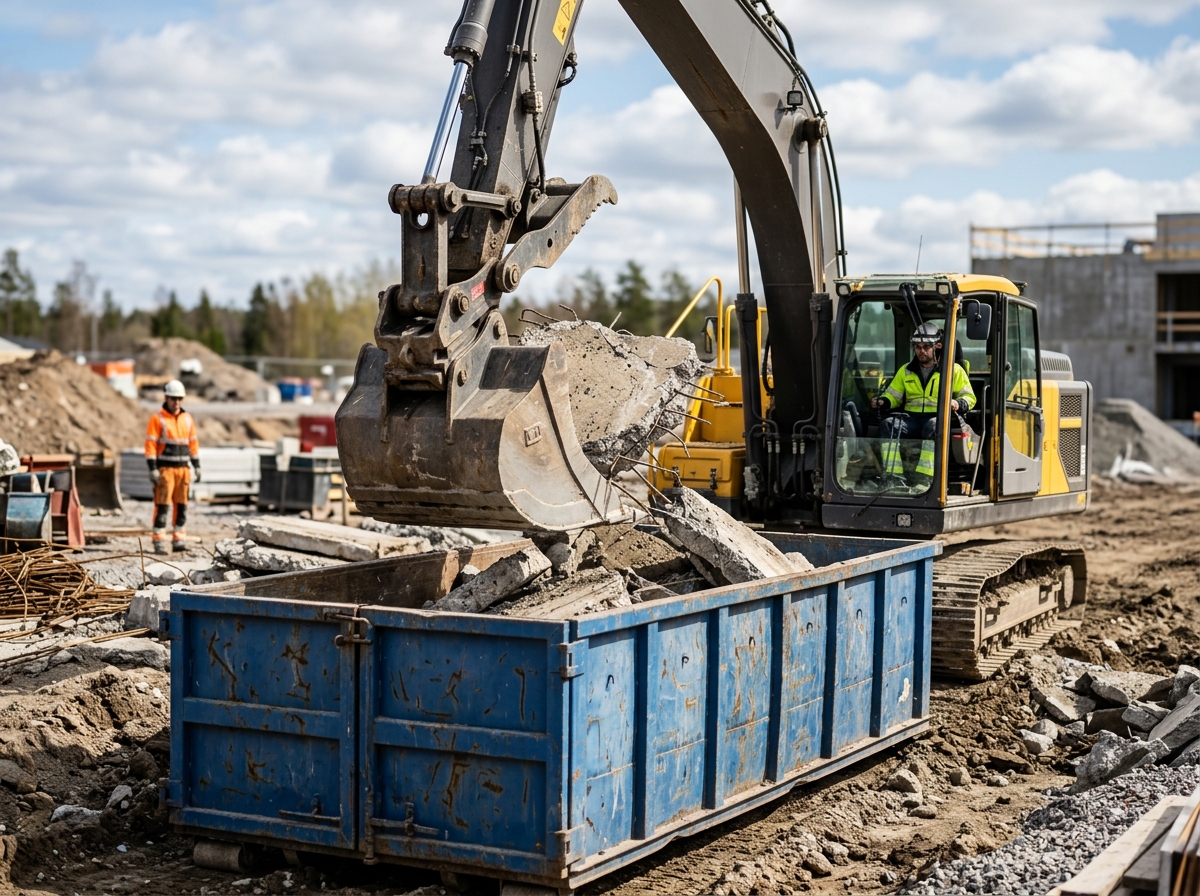
One thing worth being clear on: the dumpster hauls debris, it doesn’t create it. Breaking up a slab, ripping out old asphalt, or digging a trench is still work for a contractor or your own crew with a jackhammer and shovels. Once material is broken and piled, the lowboy takes it away. For bigger teardown projects that generate a mix of concrete and structural debris, it helps to understand basic yard dumpster dimensions before deciding whether a 10 or 40 sits better on site.
Expect a weight allowance included in the base rate, with overage billed per ton, so estimate the load honestly before you toss it all in. A few cubic yards of wet dirt weighs more than most people guess. Homeowners near the valley handling a smaller concrete job, including those looking at dumpster rental toluca lake options, often find the lowboy’s flat rate keeps things predictable even on dense loads. Skip guessing and ask what your material typically weighs per yard before committing to a size.
3. Garage, Attic, or Small Home Cleanouts
Clearing out a packed garage or an attic full of boxes is a classic decluttering job, and a small roll-off handles it well — as long as you’re doing the loading. Working through a garage cleanout yourself, or having your contractor toss debris as they go, keeps costs down and lets you fill the container at your own pace over the rental period. You’re the labor here, not a crew. That’s a different service entirely, and worth knowing before you book anything.
This is a good place for a blunt reality check: nothing gets carried out of your house for you. The container simply gets dropped in your driveway and picked up once you’re done. If you’re picturing movers hauling old furniture down the stairs, you’re thinking of a junk removal crew, not a dumpster rental. For heavier volume spread across a garage, attic, and a couple of closets, a 15 yard dumpster usually loads more comfortably before you bump into weight limits — old wood shelving, boxes of books, and carpet scraps add up fast.
Before drop-off, confirm what’s restricted. Mattresses and appliances often carry extra disposal fees or outright bans depending on the load, so a quick call ahead avoids surprises. Homeowners near the west valley juggling this kind of project alongside a move should also look into dumpster rental sun valley options if the cleanout spans multiple properties. And if what’s clogging your garage is old paint cans or solvents, those need a licensed hazmat facility, not a roll-off, no matter the size.
10 Yard vs. Other Common Dumpster Sizes
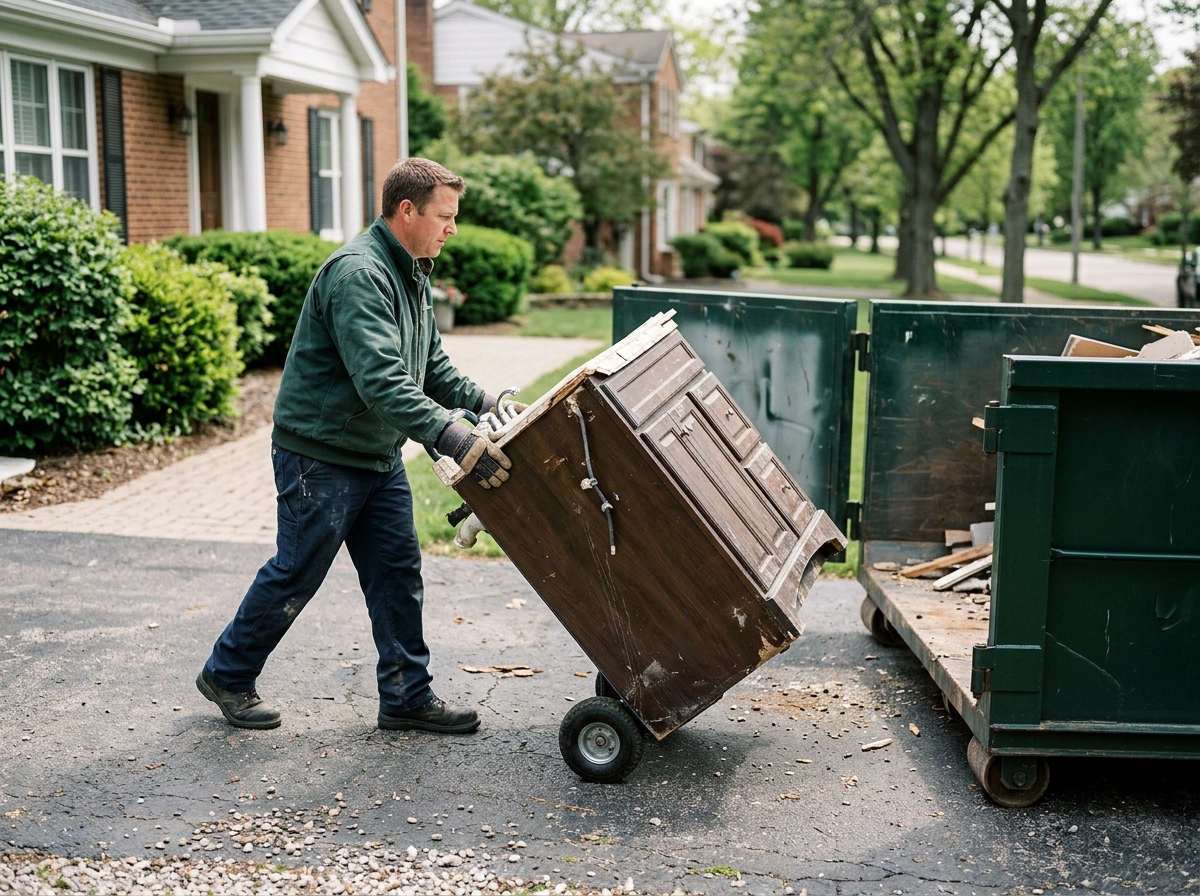
Picking a size shouldn’t feel like guesswork. Here’s how the five common sizes stack up on footprint, capacity, and the debris they’re built to handle. If you want exact measurements before committing, checking yard dumpster dimensions against your driveway or job site can save a headache later.
| Size | Typical Dimensions | Best Use | Typical Debris |
|---|---|---|---|
| 10 yard | 12ft L x 8ft W x 3.5ft H | Heavy material removal, tight spaces | Dirt, concrete, asphalt, brick |
| 15 yard | 16ft L x 8ft W x 4ft H | Small residential projects, cleanouts | Furniture, appliances, mixed household junk |
| 20 yard | 18ft L x 8ft W x 5ft H | Medium renovations, roofing tear-offs | Shingles, drywall, flooring, framing scraps |
| 30 yard | 20ft L x 8ft W x 6ft H | Large cleanouts, estate cleanups | Bulky furniture, boxes, general household volume |
| 40 yard | 22ft L x 8ft W x 8ft H | Major construction, demolition | Lumber, siding, bulk construction debris |
Notice the pattern: the 10 yard is the only one built around weight, not volume. Its low walls make loading heavy loose material easy, and its small footprint fits where a 30 or 40 yard simply can’t sit. The 15 and 20 yard bins are the workhorses for everyday remodels, holding bulk without demanding a permit-heavy placement. Once you jump to 30 or 40 yard, you’re managing volume over weight, which is exactly what estate cleanups and full demolitions produce.
Here’s the blunt version. Rent too small and you’re paying for a second haul. Rent too big and you’re paying for air. Match the size to the material, not just the mess.
Steps to Renting a 10 Yard Dumpster
Renting one of these containers isn’t complicated, but a little prep saves you a headache later. Most of the confusion comes from skipping a step, not from the rental itself. Work through the list below before you pick up the phone, and the whole process moves faster.
- Estimate your debris first: walk the job site and figure out roughly how much dirt, concrete, or asphalt you’re clearing, since a 10 yard lowboy is built for heavy, dense material rather than bulky household junk.
- Ask about all-inclusive pricing: get a straight answer on whether delivery, fuel, and environmental fees are folded into the quote, so a $650 rate doesn’t quietly turn into something higher at pickup.
- Check delivery speed if you’re in a rush: some projects can’t wait a week, and confirming same day dumpster rental availability upfront tells you whether the container can land in your driveway today or tomorrow.
- Decide where the dumpster will sit: a driveway placement usually needs no paperwork, but street placement often requires a city permit, so ask what Los Angeles rules apply to your address before delivery day.
- Plan for delays before they happen: if there’s any chance the project runs long, ask about extending the rental period in advance rather than scrambling on the last day.
One more thing worth doing: have your material type and rough weight ready when you call, since that single detail speeds up sizing and pricing more than anything else. Skip it, and you’ll just end up playing phone tag later.
Pricing, Weight Limits, and What’s Not Allowed
What drives the final price
Flat-rate pricing is the whole point. It’s what keeps a rental from turning into a bill full of surprises the way hidden-fee competitors sometimes do. A straightforward quote should already fold in delivery, pickup, and a set number of days, so you know the number before the container ever shows up.
Here’s a rough sense of how the math breaks down on a small container versus what pushes costs higher.
| Cost Factor | Typical Detail | Impact on Price |
|---|---|---|
| Base rate, 10-yard lowboy | Around $650 flat | Covers delivery, pickup, set rental days |
| Included weight allowance | Set tonnage built into base rate | Staying under it avoids extra charges |
| Overage weight fee | About $95 per ton | Charged only past the included limit |
| Rental extension | Extra days beyond the term | Small daily add-on, based on availability |
| Prohibited item found in load | Hazmat, liquids, chemicals | Can trigger a separate disposal fee |
Heavy debris like dirt, concrete, or roofing shingles is where weight fees actually matter. A container full of drywall and cardboard almost never comes close to the limit. Before you settle on a size, it helps to review a roll off dumpster sizes guide so the tonnage estimate matches what you’re actually hauling, not just the volume.
Materials that can’t go in any roll-off
No roll-off, in any size, is built for hazardous waste. That means paints, solvents, motor oil, batteries, pesticides, asbestos, and anything flammable or toxic. Those materials need a licensed hazmat facility, full stop. Loading them into a container isn’t just against the rules — it can hold up pickup entirely and create real liability for whoever’s name is on the rental. Liquids in general are a problem too, even non-hazardous ones, since they add uncontrolled weight and can leak during transport.
Everything else — the wood, metal, drywall, and packaging that make up most cleanouts — gets sorted afterward. Recyclable debris is separated and processed following eco-friendly, LEED-aligned practices rather than dumped wholesale into a landfill. That’s a detail worth asking about when you’re comparing quotes, since not every hauler in the area sorts loads the same way.
Common Questions About Renting a 10 Yard Dumpster
Some questions come up again and again, no matter who you ask. Here are the honest answers, without the sales pitch.
- Is a 10 yard good for concrete, dirt, or asphalt? Yes — the lowboy design sits low to the ground and carries a weight rating built for dense material, which is exactly why it’s the go-to pick for small excavation and hardscape jobs.
- How fast can one show up? Faster than most people expect. Many providers, especially locally owned ones, offer same-day or next-day delivery when a truck and container are available in your area.
- Do you need a permit? Depends on where it sits. A dumpster placed on a public street usually needs a city permit, while one parked on a private driveway typically doesn’t — though rules shift block by block, so it pays to ask.
- Can household junk and yard waste go in together? Mixed loads are fine, as long as total weight stays under the limit and nothing prohibited sneaks in, like paint cans or old batteries.
- What if the yard debris is the bulk of the load? Branches, leaves, and sod can be heavier and bulkier than they look, so it’s worth reviewing what counts as an acceptable yard waste dumpster load before you start tossing things in.
- What happens if the container gets overfilled? Extra weight past the included limit gets billed by the ton, and material piled above the rim usually can’t be hauled for safety reasons.
Permit rules are the one area where local knowledge really matters. A company that works your neighborhood daily will know whether your street requires paperwork or your driveway is enough. That single phone call can save you a fine — or a delayed pickup.
Choosing between a scheduled sweep or cleanup crew and a container you fill at your own pace really comes down to timeline, volume, and who’s doing the work. It helps to ask how much debris you’ll actually generate, how long the project will run, and whether a straightforward roll-off with good rates and quick, friendly service might handle the waste side while a cleanup crew focuses on the rest. Getting those answers first makes the decision much easier than guessing after the mess is already there.