

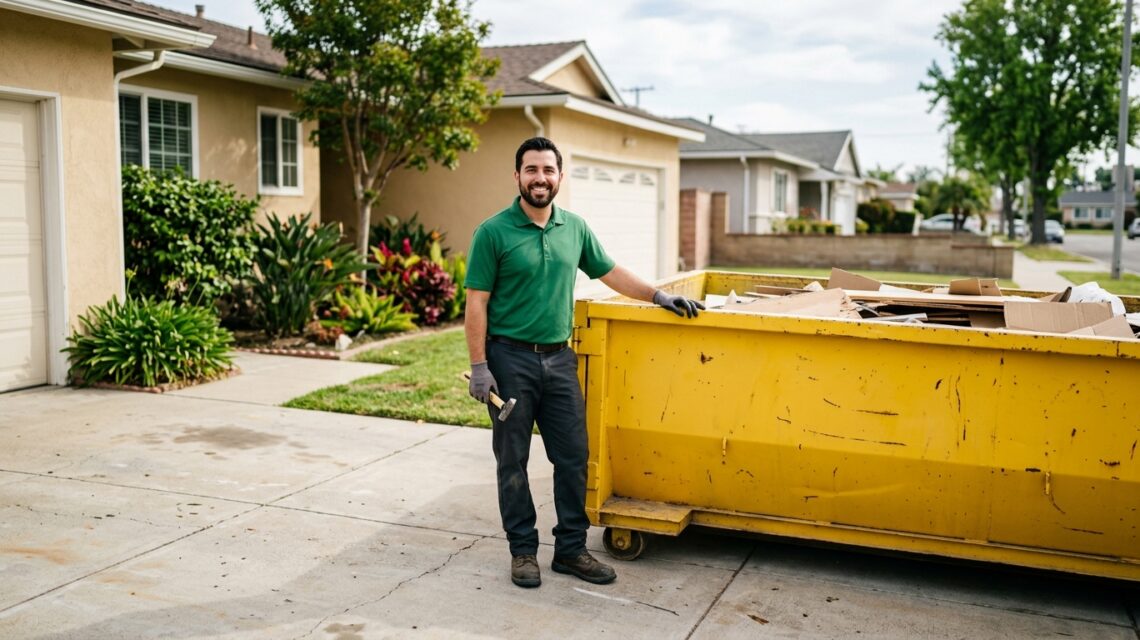
Trying to pin down dumpster cost in Los Angeles before you commit to a rental feels harder than it should be, especially with so many size options and pricing factors muddying the waters. Prices swing based on debris type, rental length, and even your neighborhood. That’s frustrating when you just need a straight answer. Green Star Roll Off built this pricing guide to cut through the guesswork, backed by the good rates and quick responses our customers count on year after year.
What Determines Dumpster Cost
Four things move the number on your invoice: container size, what you’re throwing away, how long you keep the dumpster, and where in LA you’re placing it. A 10 yard box full of concrete costs differently than a 30 yard full of household junk, even at the same rental length. Location matters too. Tight streets in some neighborhoods mean trickier delivery logistics, and that can factor into a quote. Understanding these variables before you call around saves you from sticker shock later, and it puts you in a better spot to compare quotes apples to apples.
Why All-Inclusive Pricing Matters
Delivery, pickup, fuel surcharges, and environmental fees should all live inside one flat rate. That’s what all-inclusive pricing means, and it’s the difference between a quote you can trust and one that grows the moment the truck shows up. Reading up on dumpster rental cost 2 breakdowns is a smart first step before you commit to any provider, since it shows you what a fair price actually includes. Many local businesses build these costs into the sticker price from the start.
Some outfits quote a low base rate, then tack on delivery charges, fuel fees, and “environmental” line items once you’re already locked in. It’s an old trick. A $650 quote that turns into $800 after fees isn’t a deal — it’s a bait and switch. Ask upfront exactly what’s included, and get it in writing before the container ever leaves the yard.
How Weight Fees Are Calculated
Every dumpster rental includes a weight allowance based on size, and that limit is baked into your base price. Go over it, and you’ll pay an overage fee, typically billed per ton once the loaded container crosses the scale — commonly around $95 per ton beyond the included limit. Heavy materials like concrete, dirt, tile, and roofing shingles rack up tonnage fast, even in a small container, so matching the right size to your debris type matters more than most people realize.
This is also where quotes diverge between companies. A provider might advertise a rock-bottom daily rate but set the weight threshold low, guaranteeing an overage charge on almost every job. Once your dumpster’s on-site, confirming your booking confirmed details, including the tonnage allowance, means no confusion at pickup time. Knowing your debris weight in advance, or at least estimating it honestly, keeps the final bill close to the quote you were promised.
Dumpster Cost by Size: 2026 Pricing Breakdown
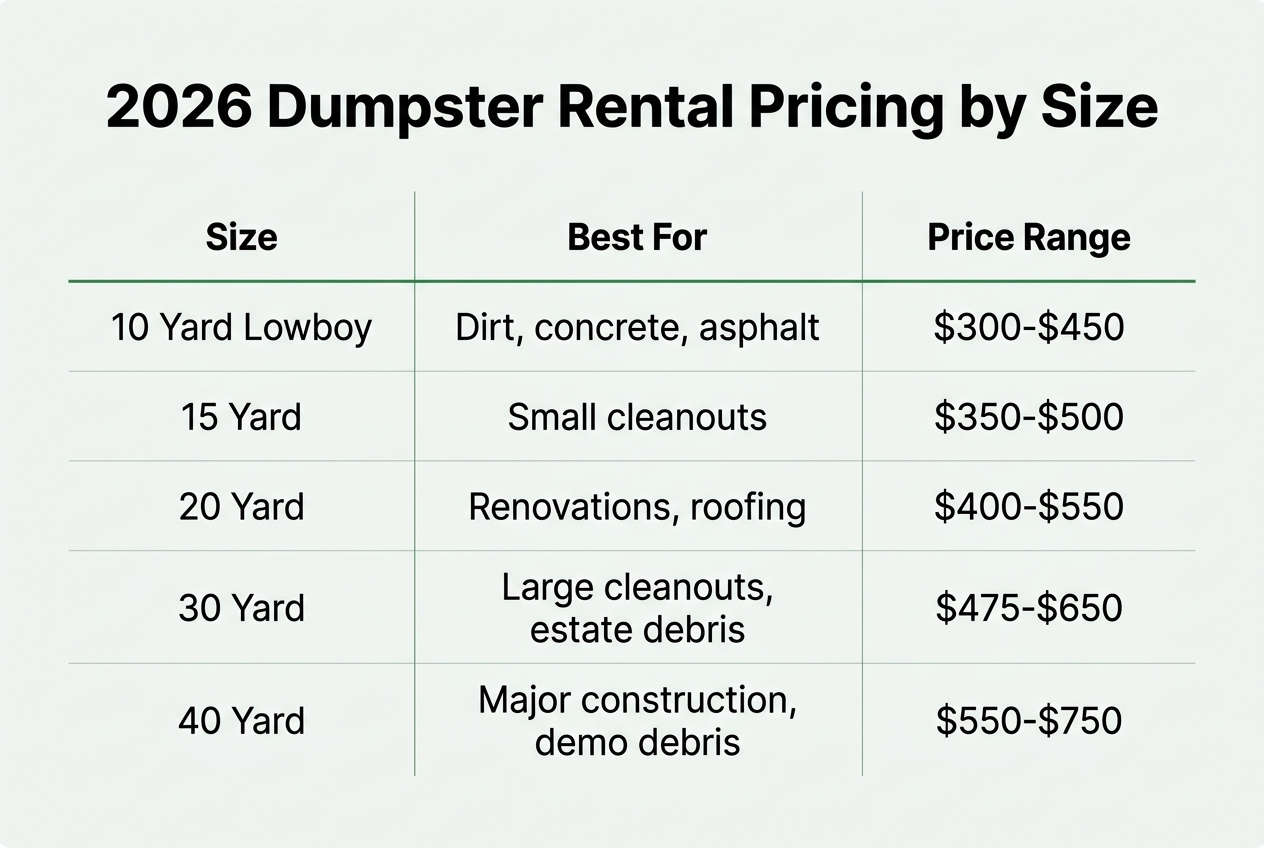
Size drives price more than anything else, but the base rate only tells part of the story. What matters is matching the container to the job so you’re not paying for empty space or scrambling for a second haul. Below is a straightforward look at where each size lands in 2026, what it’s actually built for, and how full most customers get before pickup.
| Size | Base Price | Best-Fit Project | Typical Fill Level |
|---|---|---|---|
| 10 Yard Lowboy | $650 | Dirt, concrete, asphalt | 90-100% (dense material) |
| 15 Yard | Mid-range | Small residential cleanouts | 75-85% |
| 20 Yard | Mid-range | Medium renovations, roofing tear-offs | 70-85% |
| 30 Yard | Higher-range | Estate cleanups, larger commercial jobs | 60-75% |
| 40 Yard | $685 | Major construction, demolition debris | 60-70% |
Notice how the 10 yard lowboy and the 40 yard sit at similar price points despite the huge gap in volume. That’s because the lowboy is built low and wide for heavy, dense loads like concrete, while weight fees at $95 per ton matter more than yardage there. The 40 yard, by contrast, is priced for bulky but lighter demolition debris, where cubic space matters more than tonnage. If you’re weighing a small job, learning the yard dumpster rental cost in detail helps you see whether a lowboy actually beats a bagged or bin alternative. Homeowners near the valley planning a tear-off often check dumpster rental van nuys options to compare local pricing before booking a 20 yard container for roofing debris.
Fill level is the detail people skip, and it costs them. A half-empty 30 yard still costs more than a well-matched 20 yard. Know your volume first.
Choosing the Right Size for Your Project
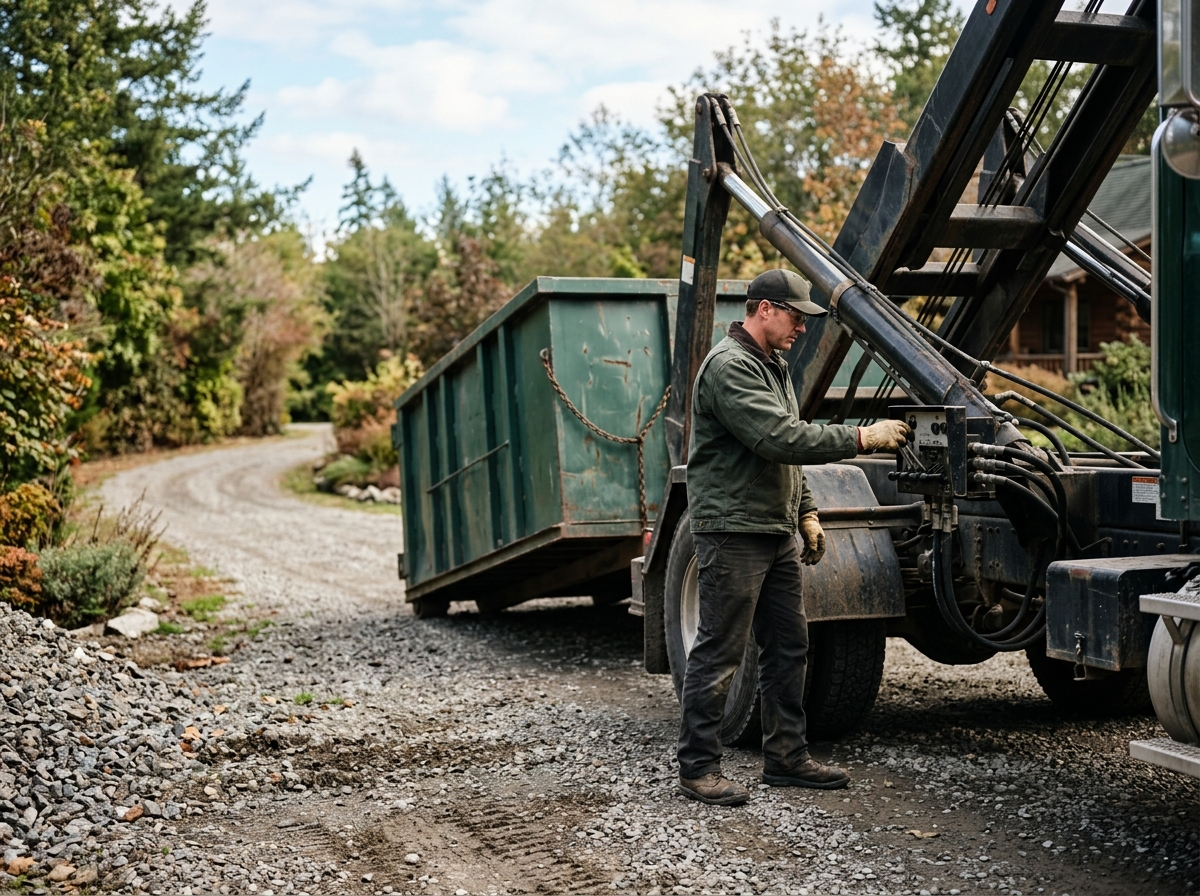
Getting the size right matters more than most people think. Order too small and you’re stuck paying for a second delivery. Order too big and you’ve wasted money on space you never filled. Matching the container to the actual scope of work is the single best way to keep costs predictable, whether you’re clearing out a garage or gutting a kitchen.
Residential Projects
Most homeowner jobs fall into a fairly narrow range. A garage cleanout, a small bathroom remodel, or a few rooms of old furniture usually lands in the 15 to 20 yard range. If you’re picturing a job small enough for a bag-style unit, a 15 yard container is often the smarter, all-inclusive option instead. Here’s how sizing typically breaks down for home projects:
- A single-room cleanout or basement declutter usually fits comfortably in a 15 yard container without leftover debris piling up outside it.
- A kitchen or bathroom remodel that includes cabinets, flooring, and fixtures often needs the extra capacity of a 20 yard unit.
- A roofing tear-off on an average single-family home typically fills 20 to 30 yards, depending on square footage and layers removed.
- A garage or shed demolition, once framing and debris are combined, tends to push toward the 30 yard size.
- A whole-house renovation or multi-room gut job almost always calls for 30 to 40 yards to avoid a mid-project swap.
Construction and Commercial Projects
Bigger jobs need bigger math. New construction, warehouse cleanouts, and full teardown projects generate volume that residential sizes just can’t handle. For a contractor tearing down a structure, a 40 yard unit paired with a 10 yard lowboy for concrete and masonry usually covers both the bulky debris and the heavy stuff separately. Checking actual yard dumpster dimensions before you commit helps confirm it’ll actually clear your gate, alley, or loading area. Property managers juggling ongoing turnover work often do better with long-term rentals and scheduled swaps than one giant container sitting half-used for weeks.
Not every site fits a clean formula, and that’s fine. If you’re unsure whether your project is a 20 or a 30, it pays to just call and describe it rather than guess and risk a change order. This is also where separate site planning comes in — jobsite sanitation, for instance, is arranged through a dedicated services provider rather than the dumpster company, and it’s smart to line that up early. Renters near the eastern Valley researching options for a nearby job can also check dumpster rental toluca lake availability before scheduling delivery. Guessing on size costs money. A five-minute call usually doesn’t.
Extra Costs to Watch For Before You Book
The sticker price on a dumpster rarely tells the whole story. Most quotes assume average conditions — a set weight limit, a set number of days, ordinary household or jobsite debris. Stray outside those lines and extra charges show up. None of this is sneaky if you know it going in, which is the whole point of this section.
Weight and Overage Fees
Every dumpster size comes with an included tonnage allowance, and going over it costs real money. Overage fees typically run in the range of $95 per ton beyond what’s included, so a driveway full of old roofing shingles or wet concrete can add up fast if you underestimate the load. Timelines matter too — most rentals run on a set number of days, and going past that window isn’t free.
- Overage weight fees kick in once your debris exceeds the tonnage limit built into your rental price, and dense materials like tile or dirt hit that ceiling quicker than bulky, lightweight junk.
- Extended rental fees apply if your project runs longer than the agreed period, though many providers will grant an extension based on availability if you call ahead.
- Prohibited item fees hit you if hazardous materials like paint, batteries, or asbestos end up in the container, since those legally must go to a licensed hazmat facility instead.
- Swap-out or additional pickup charges apply on high-volume jobs that need the dumpster emptied and returned mid-project rather than picked up once at the end.
- Same-day rush fees sometimes apply if you’re booking on short notice during a busy season, though this varies a lot by provider.
Permit and Placement Costs
Where the dumpster sits matters just as much as what goes inside it. Park it on your own driveway and you typically won’t need any paperwork at all. Put it on a public street, though, and the city usually requires a placement permit, which adds a cost on top of the rental itself. Rules and fees differ by neighborhood — a job site in one part of the Valley might have different requirements than a similar one a few miles away, so it pays to check local guidance before delivery day, and knowing the difference between a 10 yard and a yard dumpster rental often shapes where placement even becomes an issue. If you’re working in a spot like the one covered by dumpster rental sun valley guidance, local street rules can shift the total cost more than the container size does. A good provider won’t file the permit for you, but a knowledgeable one can tell you fast whether you’ll need one at all — that alone saves a wasted trip to city hall.
Rental Duration and Timing Options
Short-Term vs. Long-Term Rentals
Timing matters almost as much as size when you’re planning a project. A weekend garage purge doesn’t need the same setup as a six-month commercial buildout, and pricing usually reflects that difference. Short-term rentals suit quick cleanups, small events, and seasonal projects like holiday decor removal or a spring yard overhaul. Long-term rentals fit businesses, property managers, and multi-phase construction jobs where debris keeps piling up over weeks or months.
Urgent timelines happen. A pipe bursts, a tenant moves out overnight, or a contractor suddenly needs a container tomorrow morning. That’s where same-day dumpster rental proves its worth, and it’s worth learning what’s covered when a truly last-minute need pops up. Life doesn’t always cooperate with a schedule, either. If a renovation drags on past its planned finish date, rental period extensions can usually be arranged, provided you ask before the original term runs out rather than after.
| Rental Type | Typical Duration | Best For | Booking Lead Time |
|---|---|---|---|
| Short-term | 1-7 days | Cleanouts, small events, seasonal debris | Same-day to 2 days |
| Standard project | 1-2 weeks | Kitchen or bath remodels | 2-4 days |
| Extended | 3-4 weeks | Roofing, larger renovations | 1 week |
| Long-term | 1-6+ months | Commercial builds, property management | 1-2 weeks |
Notice the pattern? The bigger the commitment, the more lead time you should give yourself. Busy seasons, spring and early summer especially, tighten up availability fast across Los Angeles. Booking further ahead helps guarantee preferred delivery dates when everyone else has the same idea. Waiting until the last week rarely ends well.
Dumpster Rental vs. Other Waste Removal Options
When Self-Loading Saves the Most Money
A roll-off is a self-load model, plain and simple. You fill it, they haul it. That structure is exactly why it beats pay-per-item removal once debris climbs past a couch and a few boxes. Junk removal crews charge by the item or truckload, and those fees stack fast on a real cleanout. A 15 or 20 yard residential dumpster priced as one flat number almost always wins on volume, even after you factor in the time it takes to load it yourself.
If you’d rather not lift a finger, you can still get close to hands-off by pairing a 30 yard container with a separate cleanout labor crew. The dumpster covers hauling and disposal; the crew handles the physical work of emptying rooms. It’s two vendors instead of one, but you keep control over cost, since you’re not paying a bundled markup for both services under one invoice. Reading a full roll off dumpster rental guide before you book helps you figure out which combination actually fits your timeline and budget.
Loose items like an old dryer or a queen mattress can usually go straight into a 15 yard bin during a home cleanout. Just know some items carry disposal restrictions or added fees, freon-containing appliances especially, so it’s worth confirming by phone before loading day.
What a Roll-Off Won’t Take
No roll-off, at any size, accepts liquids, hazardous materials, or septic waste. That’s not a policy quirk, it’s a legal and safety line every legitimate hauler holds. Paint thinner, motor oil, and chemical waste need a licensed hazmat facility. Septic and grease waste need a licensed liquid hauler with a vacuum truck. Trying to sneak either into a container risks rejected pickups and fines, so plan for those separately from the start.
Jobsite needs outside of debris, like restrooms or street placement permits, also come from other vendors. A dumpster covers what goes in it and nothing more. Staff can walk you through local placement rules, since understanding permit requirements for curb or street placement matters in most LA neighborhoods, but filing the actual application is on you. Keep that division clear early, and the rest of the project runs a lot smoother.
How to Get an Accurate Dumpster Cost Quote
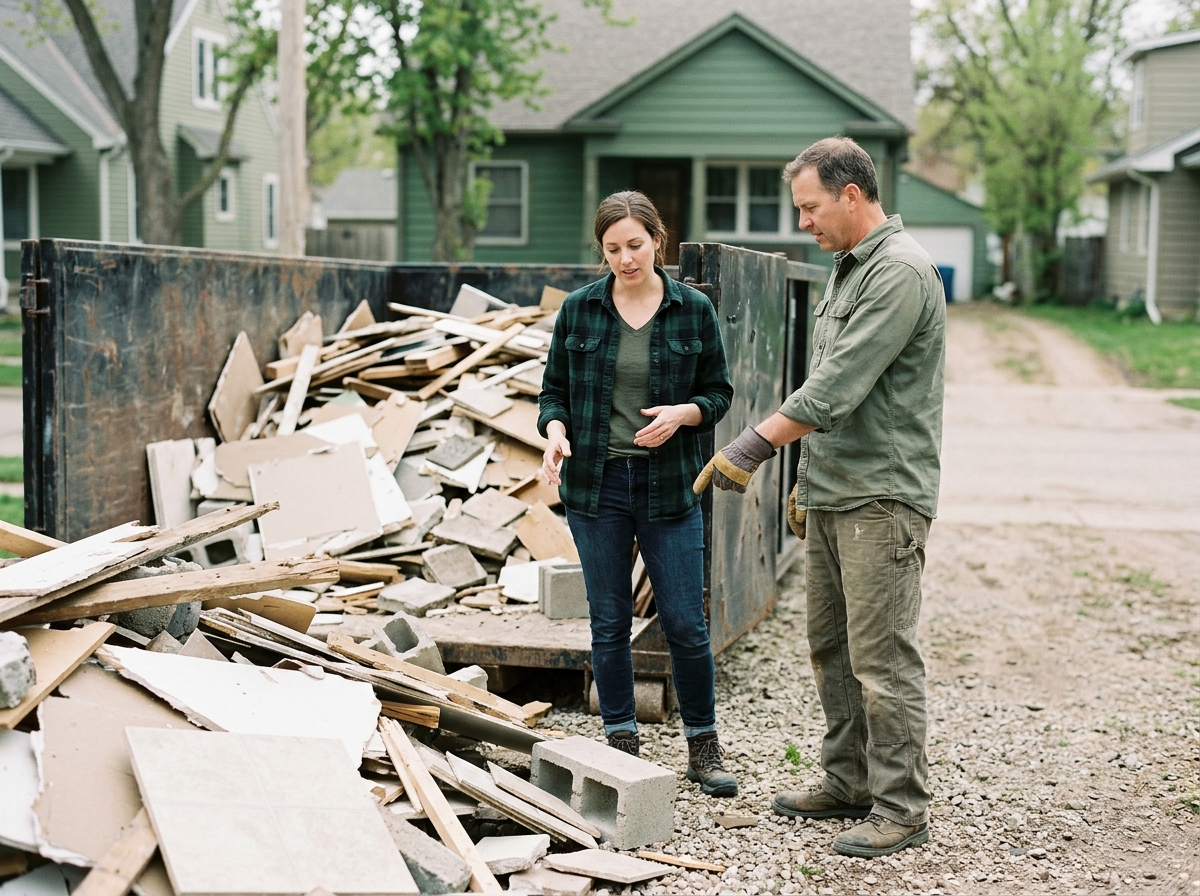
A real quote isn’t a random number pulled from a website chart. It’s built from specifics: what you’re throwing away, how much of it there is, and where the container needs to sit. Before you call, walk your site and take stock. Is it drywall and lumber from a bathroom remodel, or dirt and broken concrete from a patio tear-out? Weight varies wildly by material, and that’s the single biggest factor most people forget until the final bill shows up. Have your address, project type, and rough volume ready, and you’ll get a number that actually holds up.
Ask direct questions when you call. What’s included in the base price? Is delivery and pickup covered, or tacked on later? Is there a weight allowance before extra tonnage fees kick in? A good dumpster rental cost breakdown should spell out these numbers plainly, not bury them in fine print. Also mention where the container will sit. Driveway placement is simple. Street placement often means permit rules, and staff who know Los Angeles requirements can tell you fast whether that applies to your block. Skip this step and you risk a surprise fee, or worse, a ticket.
Timing matters too. If you need same-day delivery, say so upfront, since rush requests can affect scheduling and sometimes pricing. If your project might run long, ask about extension terms before you sign anything, not after week two. Honestly, the fastest way to get burned is to accept a vague quote over text and hope for the best. Don’t. A quick phone call, a few honest details about your debris, and a request for an all-inclusive number will get you a quote you can actually trust.
Frequently Asked Questions About Dumpster Cost
How much does it cost to rent a dumpster in Los Angeles?
Most LA rentals run somewhere between $450 and $700 depending on size, weight, and how long you keep the container. A 10 yard lowboy built for dirt and concrete often starts around $650, while a 40 yard box for a big demo job can land near $685. That’s not a typo — heavier debris on a small container can cost about the same as a giant box full of light material. Weight overages typically run near $95 per ton, so knowing your debris type matters more than most people expect. Skip the guesswork and ask for a straight, all-inclusive number upfront.
What size dumpster do I need for a home cleanout?
A single room or garage cleanout usually fits a 15 yard container, while a whole-house declutter or small remodel leans toward 20 yards. Bigger jobs, like clearing out a relative’s home after decades of belongings, call for a 30 yard container, though you’ll still need your own crew or a hauling service to physically empty the house. Guidance beats guessing here. Go too small and you’re paying for a second pickup; too big and you’re wasting money on space you never fill.
Do I need a permit, and what can’t go in the dumpster?
If the container sits on a public street, Los Angeles generally requires a placement permit; driveway placement usually doesn’t. Local rules shift block by block, so leaning on a company with expert local knowledge saves you a possible fine. As for contents, paint, batteries, tires, and chemicals are off-limits in any roll-off — those need a licensed hazmat facility, not a dumpster. Liquids are barred too. Because rules vary by jurisdiction, reviewing long term dumpster rental terms in advance helps commercial customers plan around restricted items before debris piles up on a multi-week job.
How long can I keep it, and is renting cheaper than junk removal?
Standard rental windows run 7 to 10 days, with extensions available if you call ahead. Compared with a full-service crew that loads everything for you, a self-loaded dumpster is almost always the cheaper route for anyone able to do their own lifting.
If you’re tackling a heavy debris job in Reseda, the 10 yard lowboy dumpster rental from Green Star Roll Off is built for exactly that, with its low-to-the-ground design making it easy to load dirt, concrete, or asphalt without the extra lift. As a family and locally owned company right on Wyandotte St, they’re known for quick responses and friendly drivers who know the neighborhood well. Give their team a call at 818-457-7711 to book your lowboy and get it delivered fast.