
Ordering a dumpster that’s too small means paying for a second haul-away; ordering one that’s too big means overpaying for space you never use. With so many dimensions, weight limits, and project types to consider, understanding dumpster sizes can feel more complicated than the cleanup job itself. Green Star Roll Off built this 2026 guide to cut through the confusion. It breaks down every standard container size so you can match your project to the right dumpster the first time. That saves money, avoids rental headaches, and keeps your job on schedule.
Dumpster Sizes: A Complete Overview
Why Choosing the Right Size Matters
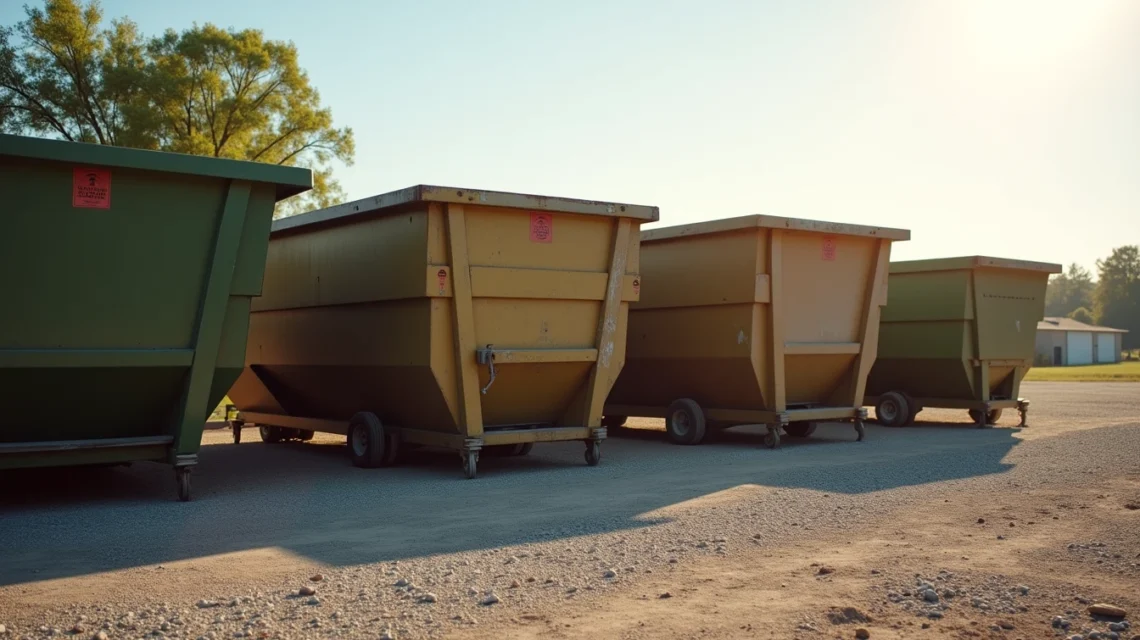
Containers range from small 10 yard bins to massive 40 yard boxes. Each size fits a different job. Pick the wrong one, and you’ll waste money or slow down your project.
Size affects dumpster rental cost directly. A container too small means extra hauls and added fees. One too large means paying for space you never use. Learning more about dumpster rental cost helps you budget before you book.
Efficiency matters too. The right size keeps debris contained, crews moving, and job sites safer. Many local businesses lose time guessing sizes instead of planning ahead.
How Sizes Are Measured in Cubic Yards
Dumpsters are measured in cubic yards, a unit describing volume, not weight. One cubic yard equals a space three feet long, three feet wide, and three feet tall.
A 10 yard dumpster holds about ten cubic yards of debris. A larger 40 yard dumpster holds forty. That’s a huge jump in capacity for bigger demolition or construction jobs.
Knowing this measurement helps you compare containers fairly. It also helps you avoid overloading a bin past its weight limit, which can trigger extra charges.
Categories of Dumpsters Available
Three main categories exist: roll off, commercial, and residential. Each serves a distinct purpose and customer type.
Roll off dumpsters suit construction, renovation, and cleanout projects. Commercial dumpsters serve ongoing business waste needs. Residential trash carts handle everyday household trash and recycling.
Understanding these categories now sets the stage for choosing wisely, whether you need short-term hauling or long-term waste service.
How to Determine What Size Dumpster You Need
Estimating Your Debris Volume
Start by picturing the pile of debris your project will create. A single bathroom remodel might fill 3 to 5 cubic yards. Clearing out a whole house can produce 20 yards or more. Think in truckloads: one standard pickup bed roughly equals 3 cubic yards. Multiply that estimate by the number of loads you expect to haul.
Volume estimates get tricky with bulky items like furniture or tree branches, since they leave gaps and waste space. Round up rather than down. An online dumpster size calculator can help you convert square footage or room count into a realistic yardage figure before you commit.
Matching Size to Project Type
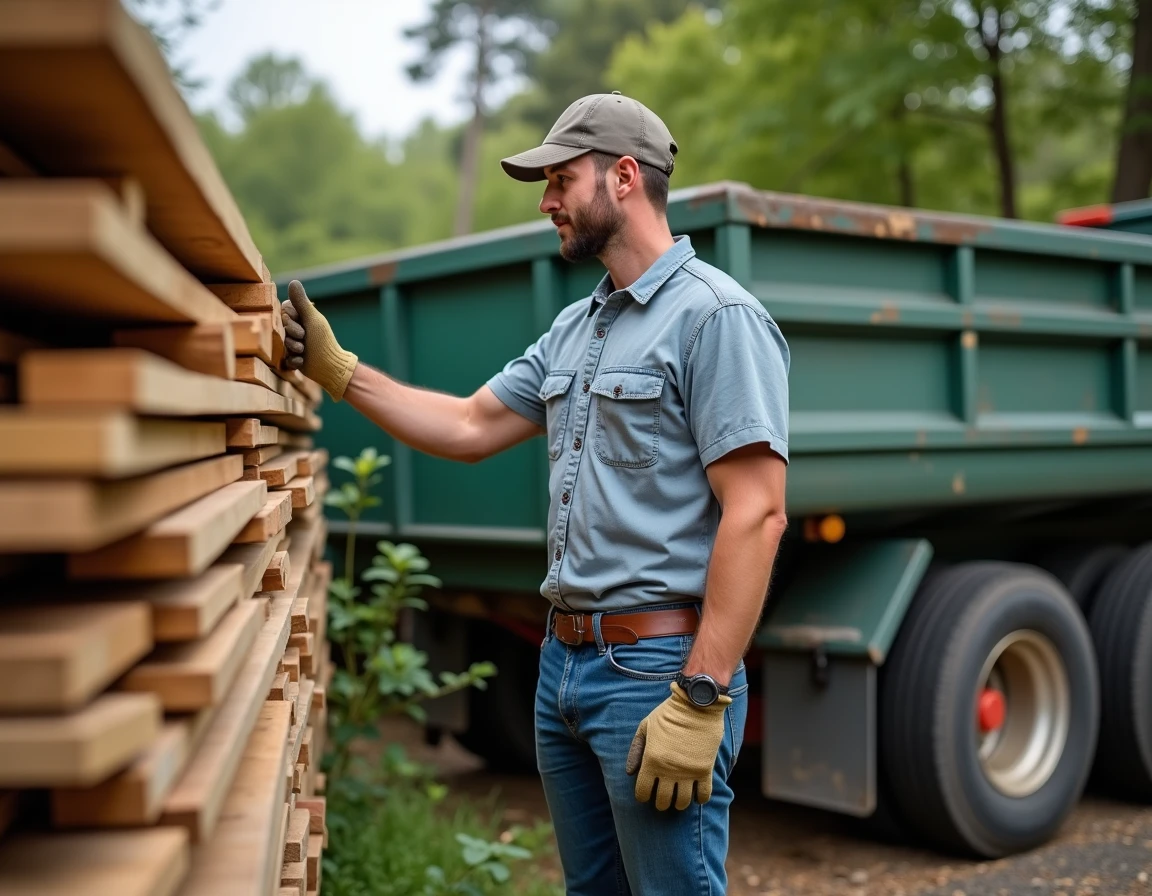
Weight limits matter as much as volume. Heavy materials like concrete, brick, or shingles fill a dumpster’s weight allowance long before it looks full. A 30 yard dumpster suits bulky, lightweight debris such as furniture or drywall. Dense materials, though, often need a smaller container rated for heavier loads.
Always check the ton limit listed in your rental agreement. Mixing debris types, like combining yard waste with roofing tiles, can push you over the limit fast, triggering overage fees.
Space and Placement Considerations
Measure your driveway, yard, or curb space before choosing a size. A large container needs roughly 60 feet of straight clearance for delivery trucks. Narrow alleys or tight urban lots may limit you to smaller units regardless of debris volume.
Check overhead clearance too. Low branches, power lines, or garage awnings can block placement. Confirm surface type as well, since soft ground may require wooden boards to prevent driveway damage.
Roll Off Dumpster Sizes for Big Projects
Big projects need real capacity. Roll off containers range from small cleanout bins to massive units built for major demolition work. The table below breaks down standard dumpster sizes by capacity, dimensions, and best use.
| Size | Dimensions (L x W x H) | Approx. Capacity | Best For |
|---|---|---|---|
| 10 Yard | 12 ft x 8 ft x 3.5 ft | 3-4 pickup loads | Small cleanouts, garage purges |
| 15 Yard | 16 ft x 8 ft x 4 ft | 4-5 pickup loads | Bathroom remodels, yard debris |
| 20 Yard | 22 ft x 8 ft x 4.5 ft | 6-8 pickup loads | Flooring removal, roofing jobs |
| 30 Yard | 22 ft x 8 ft x 6 ft | 9-12 pickup loads | Home additions, major renovations |
| 40 Yard | 22 ft x 8 ft x 8 ft | 12-16 pickup loads | Commercial demolition, new construction |
10 to 15 Yard Containers
These smaller roll off dumpsters suit quick, focused jobs. Homeowners use them for single-room remodels or spring cleaning. They fit tight driveways without crowding the property.
20 to 30 Yard Containers
This mid-range group handles heavier debris. Many local businesses rely on 20 yard bins for roofing tear-offs, while 30 yard units suit whole-home renovations. Weight limits usually run between 4 and 6 tons.
40 Yard Containers
The largest option, the 40 yard dumpster, handles commercial demolition and new builds. It holds bulky materials like concrete, framing, and drywall in one container. For deeper specs, check the Dumpster Sizes & Dimensions Guide.
Comparing Roll Off Dumpsters Side by Side
Dimensions and Weight Capacity
Side-by-side numbers make sizing decisions easier. The table below lines up common roll off options by length, width, height, and weight limit, so you can match a container to your debris type before you call for a quote.
| Size | Dimensions (L x W x H) | Weight Limit | Best For |
|---|---|---|---|
| 10 Yard | 12 ft x 8 ft x 3.5 ft | 2-3 tons | Garage cleanouts, small remodels |
| 20 Yard | 22 ft x 8 ft x 4.5 ft | 3-4 tons | Roofing, flooring, medium demo |
| 30 Yard | 22 ft x 8 ft x 6 ft | 4-5 tons | New construction, large additions |
| 40 Yard | 22 ft x 8 ft x 8 ft | 5-6 tons | Commercial builds, major teardowns |
Best Use Cases by Size
Smaller bins suit light debris like branches or old furniture. Heavier loads, like concrete or shingles, need lower, sturdier containers. A yard waste dumpster often fits the 10-yard category, since organic material stays lighter than construction debris despite filling space quickly.
Estimated Rental Costs
Price tiers rise with size and weight allowance, not just container length. A 10-yard typically runs $300-$400, while 40-yard units can reach $600-$800 depending on location and disposal fees. For deeper cost breakdowns, the Dumpster Sizes Guide | Commercial & Residential offers additional regional comparisons worth reviewing before booking.
Commercial Dumpster Sizes for Businesses
1 to 3 Yard Containers
Small front load dumpsters serve businesses with steady, everyday trash. These containers get scheduled pickups, often weekly, instead of a one-time haul away. This setup works well for shops that need consistent service but not a huge bin taking up parking space.
4 to 6 Yard Containers
This mid-range size fits many offices and small retail stores. It handles paper waste, packaging, and break room trash without overflowing between pickups. Right-sizing matters here, since a container too small leads to overflow and pest problems.
- Retail stores use these bins for cardboard boxes, shipping materials, and daily customer waste.
- Small offices rely on them for paper, food packaging, and general break room trash.
- Salons and small service shops fill them with packaging waste and disposable supplies.
- Medical offices often pair these with separate systems for regulated waste streams.
- Property managers use them for common area trash in small apartment complexes.
For a side-by-side look at needs across property types, this guide on What Size Dumpster Rental Is Best for You? breaks down usage patterns clearly.
8 Yard Containers
Restaurants and warehouses generate more waste than a typical office. An 8 yard front load container handles food waste, packaging, and shipping debris efficiently. Busy kitchens especially benefit from frequent pickup schedules paired with this larger capacity.
Business owners weighing options for a mixed-use property can also review details on residential dumpster rental services for comparison.
Residential Trash Cart Sizes
Homes often need weekly trash carts, not just roll off containers. Cities and haulers issue carts in three standard sizes. Each size fits a different household type and waste output. Picking the right cart avoids overflow and keeps pickup day simple.
32 to 35 Gallon Carts
These are the smallest standard option. They suit single people, couples, or small apartments with low weekly waste. The compact size also works well for households that compost or recycle heavily, since less trash goes into the cart itself.
64 to 65 Gallon Carts
This is the most common household size. It balances capacity with easy curbside handling. Many families choose this option because it holds a full week of kitchen and bathroom waste without becoming too heavy to roll to the curb.
95 to 96 Gallon Carts
The largest cart size fits large families, big homes, or properties with limited pickup frequency. Before choosing a size, consider a few practical factors:
- Household size directly affects how much weekly trash volume you generate.
- Yard waste and food scraps can fill a cart faster than expected.
- Collection frequency in your area may only be weekly or biweekly.
- Storage space at your home may limit how large a cart you can keep.
- Short-term projects like decluttering may call for a moving dumpster rental instead of a bigger cart.
For a broader comparison of container capacities, the Dumpster Sizes & Dimensions Guide offers useful reference points.
Matching Dumpster Sizes to Common Projects
Home Cleanouts and Renovations
A single-room cleanout, like clearing out a garage or basement, usually fits in a 10-yard dumpster. This size handles old furniture, boxes, and small debris without wasted space.
Bigger jobs need more room. A kitchen remodel or whole-house cleanout often calls for a 20-yard dumpster. It holds cabinets, flooring, drywall, and general clutter from several rooms at once.
Not sure where your project lands? Reviewing a chart on Dumpster Sizes & Dimensions can help first-time renters compare capacity before booking.
Construction and Demolition Debris
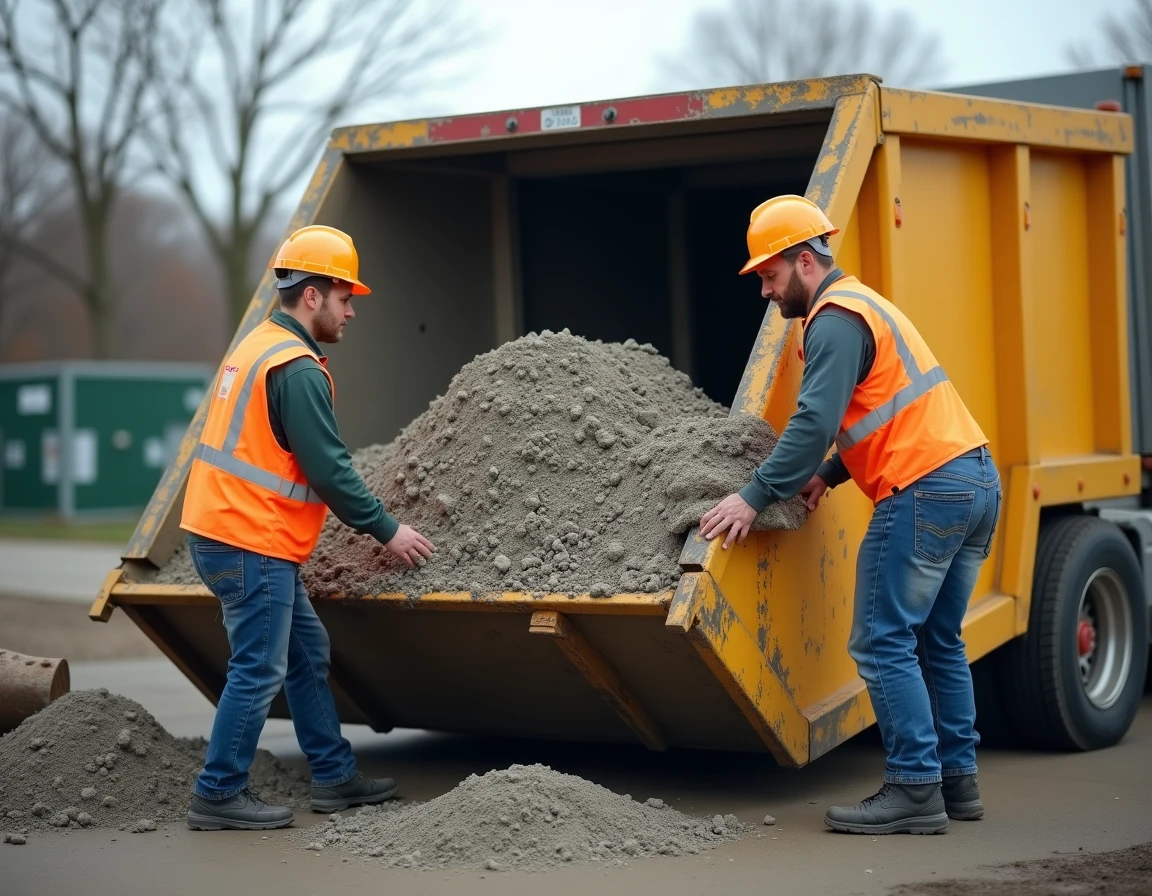
New construction and major demolition produce heavy, bulky waste. A 30-yard dumpster suits new home builds, additions, or large room tear-outs. It manages lumber, drywall, and packaging in bulk.
Full demolition projects, including roof tear-offs, often need a 40-yard dumpster. Shingles and underlayment add weight quickly, so choosing the right size for a roofing dumpster rental prevents overloading and extra fees.
Smaller renovation crews doing partial demolition may still succeed with a 20-yard container, depending on material volume.
Landscaping and Yard Waste
Yard cleanups vary widely in scope. A small trimming job, like removing shrubs or a few tree limbs, usually fits a 10-yard dumpster.
Larger landscaping overhauls, including sod removal, fencing, and soil, often require a 20-yard container. This size manages bulky, heavy organic debris efficiently.
Matching yard waste volume to container size keeps costs predictable and avoids overflow surprises.
Pros and Cons of Different Size Categories
Small Container Advantages and Limitations
Small containers are easy to place on tight driveways and cost less upfront. The trade-off is limited capacity. A single kitchen remodel or garage clean-out can fill one faster than expected, leading to overfilling risks and extra hauling fees. Reading a guide like What Size Dumpster Do I Need? before booking helps avoid that surprise.
Mid-Size Container Trade-offs
Mid-size bins balance flexibility and cost efficiency. They handle moderate debris loads, like a bathroom renovation or an estate cleanout, without wasting yard space. The catch: weight limits still apply, and heavy materials like tile can push a load over the line quickly.
The table below compares typical trade-offs across three common categories.
| Category | Best For | Main Risk | Typical Extra Fee |
|---|---|---|---|
| Small (10-15 yd) | Small cleanouts | Overfilling | $75-$150 |
| Mid-size (20 yd) | Renovations | Weight overage | $50-$100/ton |
| Large (30-40 yd) | Major projects | Space and access needs | $100-$200 relocation |
Large Container Benefits and Drawbacks
Large containers offer maximum capacity and fewer pickup trips. They suit demolition or large-scale renovation work. The downside is size. They need more space, cost more to rent, and may require permits on narrow streets.
Avoiding Common Sizing Mistakes
Underestimating Debris Volume
Many renters guess low on volume. A garage cleanout often produces more waste than expected once old furniture, boxes, and scrap wood pile up. Bulky items take up space fast, even when they don’t weigh much. Ordering a size too small means paying for a second haul or a swap fee.
A good rule is to round up when unsure. Think through every room, closet, or job phase before deciding. Renovation debris, in particular, tends to double once drywall and flooring come out. Planning ahead saves time and avoids a rushed second order mid-project.
Ignoring Weight Restrictions
Every container has a weight limit, not just a size limit. Heavy materials like concrete, shingles, or dirt can max out a bin long before it looks full. Going over the limit triggers overage charges, sometimes adding hundreds of dollars to the final bill.
Ask about the per-ton allowance before booking. For dense debris, a smaller container may actually cost less than a larger one. Some large jobs need a 40 Yard Dumpster Rental simply because spreading weight across more volume avoids penalty fees. Always confirm the weight cap in writing.
Ignoring Local Permit Rules
Placement matters as much as size. Dropping a container on a public street often requires a city permit. Skipping this step can lead to fines or a forced relocation mid-rental, delaying the entire project.
Driveway placement usually avoids permit hassles, but space constraints may still apply. Check setback rules for sidewalks, hydrants, and utility lines before delivery day. Confirming these details early keeps the schedule on track and prevents surprise costs.
Frequently Asked Questions About Dumpster Sizes
How Long Can I Keep a Rented Dumpster?
Most rental periods run seven to ten days. This works for cleanouts, small remodels, and yard projects. Longer jobs, like a construction dumpster rental, often need extended terms. Ask about daily extension rates before you sign. Same-day delivery is common, so you can start work fast without waiting around.
What Happens If I Exceed the Weight Limit?
Every dumpster size has a weight limit tied to its rental price. Going over that limit adds extra charges, billed per ton. A few issues come up often, so plan ahead:
- Heavy materials like concrete, dirt, and shingles fill weight limits fast, even in a half-empty container.
- Overage fees typically range from $50 to $100 per additional ton, depending on your local market.
- Prohibited items, including tires, paint, batteries, and hazardous chemicals, can trigger separate disposal fees.
- Overloading past the fill line creates a safety risk during transport and may delay pickup.
- Mixing debris types, like mixing yard waste with construction debris, can push weight estimates off target.
Can I Upgrade or Swap Sizes Mid-Project?
Yes. Many providers allow a swap if your dumpster fills faster than expected. This usually means scheduling a pickup and drop-off of a larger unit. It’s smart to call as soon as you notice space running low, rather than waiting until the container overflows.
Choosing the right size doesn’t have to be stressful, especially when you have a team that knows the ins and outs of every project type. Green Star Roll Off makes the process easy for homeowners and contractors across Los Angeles and the San Fernando Valley, offering same-day rentals and competitive pricing so you can get your dumpster delivered without the usual hassle. Visit their site today to book the right size for your next project.