
Small cleanout, big confusion: you don’t need a massive roll-off cluttering your driveway, but you also can’t afford to underestimate how much debris a bathroom remodel or garage purge actually generates. A 10 yard dumpster rental hits the sweet spot for these smaller jobs. Still, without clear guidance on dimensions, weight limits, and pricing, it’s easy to order the wrong size and pay for it later. This guide breaks down what a 10 yard container holds, what it costs in 2026, and which projects it’s built for. Book with confidence and skip the guesswork.
10 Yard Dumpster Rental: The Basics You Need to Know
What Does ’10 Yard’ Actually Mean?
The number refers to cubic yardage, the amount of space inside the container. A 10 yard dumpster holds 10 cubic yards of debris. That’s roughly the volume of a small pickup truck bed filled three or four times over. It’s the smallest standard size most rental companies offer, built for compact jobs rather than full-scale demolition.
This size works best for homeowners and small business owners clearing out limited debris. Think garage cleanouts, single-room renovations, or yard waste removal. It’s not meant for whole-house teardowns or major structural work. But it handles focused, contained projects with ease.
Typical Dimensions and Footprint
Most 10 yard dumpsters measure around 12 feet long, 8 feet wide, and 3.5 feet tall. That footprint fits comfortably in a standard driveway without blocking a garage or spilling onto the street. The compact shape makes it easy to place close to a work area, cutting down on carrying debris long distances.
Because of its low height, loading is simple even for heavier materials like shingles. This makes it a common choice for a roofing dumpster rental, where workers need quick, low-effort access for tossing torn-off material.
Who Should Rent This Size
This size suits small-to-mid projects where debris volume stays predictable. Many local businesses use it for office cleanouts or minor renovation debris. Homeowners lean on it for attic purges, deck removals, or landscaping overhauls.
It’s often the starting point for first-time renters, since it’s easier to judge fill level and avoid overage fees. Larger jobs, like full demolitions, usually call for something closer to a 40 yard container instead.
How Much Waste Can It Actually Hold?
Capacity in Truckloads and Household Items
A 10 yard dumpster holds about 10 cubic yards of debris. That equals roughly three to four pickup truck loads, stacked flat and hauled away. It fits well for a small garage cleanout, a bathroom remodel, or clearing out old furniture from one or two rooms.
Think in real items. This size can handle around 35 to 40 large trash bags, plus a mattress, a few dressers, and some broken shelving. It’s also a solid match for a yard waste dumpster need, like branches, sod, and leaf piles from a weekend cleanup, as detailed in this yard waste dumpster guide.
Weight Limits vs Volume Limits
Volume and weight are not the same thing. A dumpster can look empty but still hit its weight limit fast. Heavy materials like shingles, dirt, or concrete add up quickly, even in small amounts.
Most 10 yard rentals include a weight allowance between 1 and 2 tons. Going over that line usually triggers extra fees, charged per ton. Knowing your debris type matters as much as knowing the size.
How Fill Height Affects Pickup
Every dumpster has a fill line, usually level with the container’s top edge. Trash piled above that line is unsafe to transport. Drivers cannot legally haul an overloaded, uncovered load on public roads.
Keep debris level, not mounded. This protects the driver, other traffic, and prevents items from falling out during pickup.
Best Projects for a 10 Yard Dumpster
Home Cleanouts and Decluttering
A 10 yard dumpster works well for garage cleanouts, attic purges, and clearing out a single room. It handles old furniture, boxes, and years of stored clutter without wasted space. Homeowners tackling a move or an estate cleanout often find this size fits the job perfectly, especially compared to a 10 Yard Dumpster Rental designed specifically for smaller loads.
Small Remodels and Bathroom Renovations
This size suits single-room updates. A bathroom tear-out, a small kitchen refresh, or flooring replacement usually stays within its limits. Bigger jobs, like whole-house remodels, need more capacity, sometimes even a 40 yard dumpster for bulky structural debris.
Yard Waste and Landscaping Debris
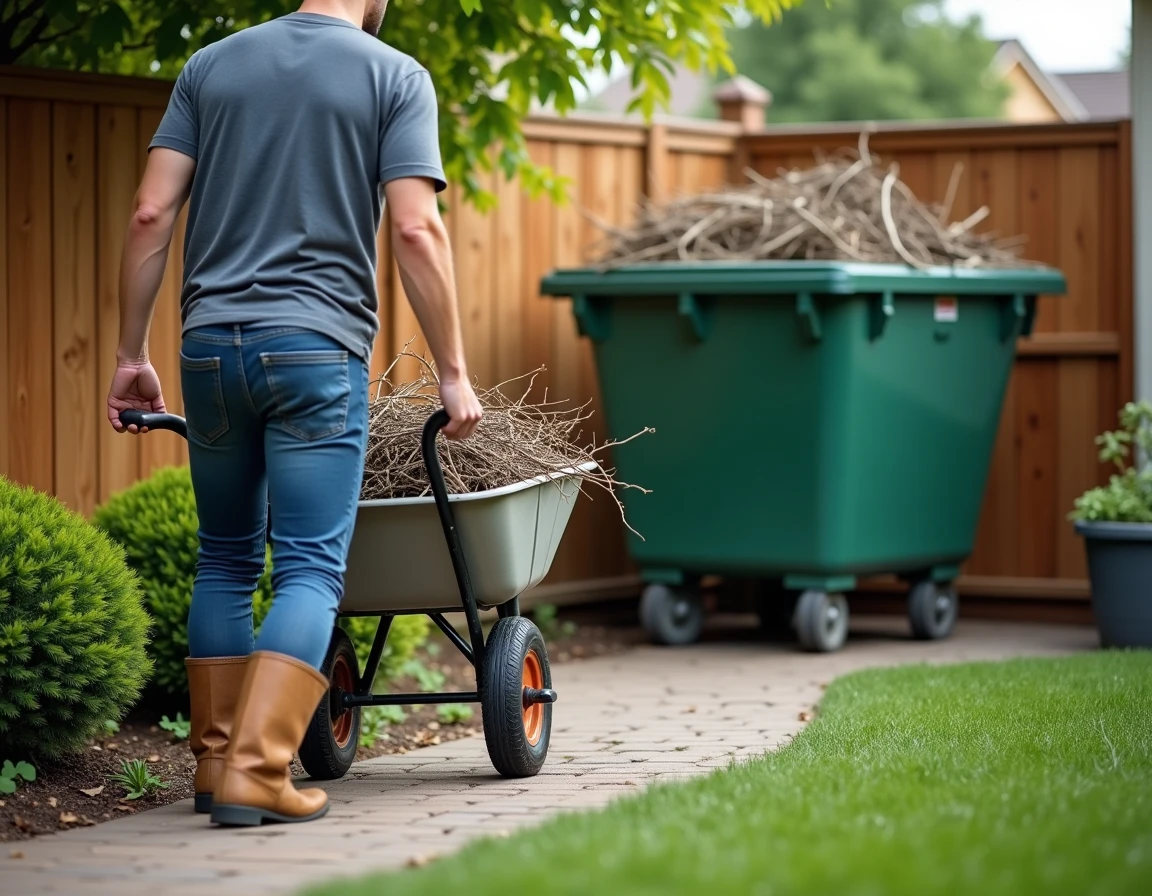
Outdoor projects generate plenty of green waste, and a 10 yard bin manages moderate loads with ease. It’s a smart pick for seasonal yard cleanups or small landscaping overhauls.
- Tree branches, shrubs, and leaves cleared from a backyard renovation project.
- Old fencing sections removed during a yard redesign.
- Sod and soil pulled up during a garden bed overhaul.
- Cabinet doors, tile, and drywall scraps from a bathroom remodel.
- Bagged clutter, cardboard, and small furniture from a home cleanout.
10 Yard Dumpster Rental Cost Breakdown
Average Price Range
Most rentals fall between $275 and $475 for a standard rental period. Prices shift based on your city, dump fees, and how long you keep the container. A full breakdown of dumpster rental cost factors can help you spot a fair quote versus an inflated one.
What’s Included in the Base Rate
The base rate usually covers delivery, pickup, and a set number of rental days, often 7 to 10. It also includes a weight allowance, typically 1 to 2 tons. Going over that limit adds extra charges per ton.
| Pricing Model | How It Works | Best For |
|---|---|---|
| Flat-rate | One fixed price, weight included up to a cap | Predictable home cleanouts |
| Weight-based | Base fee plus cost per ton dumped | Heavy debris like concrete |
| Time-extended | Daily fee added past the rental period | Longer renovation timelines |
| Location-adjusted | Price shifts by delivery zone or distance | Rural or remote job sites |
Extra Fees to Watch For
Watch for overweight fees, extra rental days, and charges for banned items like tires or mattresses. Trip fees can also apply if a truck can’t access your driveway easily. Learning these details, similar to what you’d find researching 10 Yard Dumpster Rental options nationwide, helps many local businesses budget accurately before the job starts.
Comparing the 10 Yard to Other Common Sizes
Choosing the right size means comparing your project against real numbers. The table below lines up the most common roll off options side by side, based on general industry standards outlined in this dumpster sizes guide.
| Size | Dimensions (approx.) | Capacity | Best For |
|---|---|---|---|
| 10 Yard | 12′ x 8′ x 3.5′ | 3-4 pickup truck loads | Small cleanouts, single-room remodels |
| 15 Yard | 16′ x 8′ x 4′ | 5-6 pickup truck loads | Medium cleanouts, small roofing jobs |
| 20 Yard | 22′ x 8′ x 4.5′ | 6-8 pickup truck loads | Kitchen remodels, garage cleanouts |
| 30 Yard | 22′ x 8′ x 6′ | 9-12 pickup truck loads | Whole-home renovations, new construction |
10 vs 15 Yard Dumpster
A 15 yard bin holds about 50% more debris than a 10 yard dumpster. It fits similar spaces but suits multi-room projects or heavier furniture loads.
10 vs 20 Yard Dumpster
The 20 yard option roughly doubles capacity. Choose it for flooring removal across a whole house or a full garage cleanout with appliances.
When to Size Up
Size up if debris will reach the bin’s rim before your project ends. Many homeowners researching options also review a Residential Dumpster Rental – Roll Off Dumpsters comparison to confirm sizing before booking.
Placement Rules and Permit Requirements
Placing on Private Property
A driveway is usually the easiest spot for a 10 yard dumpster. It keeps the container off the road, close to your project, and away from foot traffic. Most homeowners choose the driveway first because it requires no permit and no coordination with the city.
Placing the bin on private property also means fewer restrictions on how long you can keep it. A garage cleanout or small remodel might need the dumpster for five to seven days. A driveway spot lets you work at your own pace without watching the clock on a permit window.
Street Placement and Permits
If your driveway is too short, blocked, or already full of materials, the dumpster may need to sit on the street. This almost always requires city approval. Rules vary by city, so it’s smart to review dumpster permits before scheduling delivery.
Permits typically cover placement time, reflective markers, and sometimes required cones or lighting for nighttime visibility. Skipping this step can lead to fines. Always check local rules first, especially in dense neighborhoods with limited parking.
Protecting Driveways and Pavement
A loaded dumpster is heavy, and its steel frame can crack asphalt or stain concrete. Plywood boards placed under the bin’s contact points reduce pressure and prevent scratching. Many rental guides, including the 10 Yard Dumpster Rental overview, recommend this simple step.
Ask your provider about protective boards before delivery. This small precaution keeps your driveway or curb looking clean once the job wraps up.
What You Can and Can’t Throw Away
Accepted Materials
A 10 yard dumpster handles most everyday debris. Knowing what can you throw in a dumpster saves time and prevents rejected loads. Here are common accepted items:
- Household junk like old furniture, boxes, and general clutter from a garage cleanout.
- Yard waste including branches, leaves, sod, and small stumps under a few feet wide.
- Construction debris such as wood scraps, drywall, and non-hazardous building materials.
- Flooring materials like carpet, tile, and vinyl removed during a remodel.
- Roofing shingles, though these are heavy and count toward your weight limit fast.
Prohibited and Hazardous Items
Some materials are banned from every dumpster for safety reasons. These items can damage equipment or harm workers at disposal sites.
- Paints, solvents, and other flammable liquids that pose fire risks during transport.
- Batteries, including car and lithium-ion types, which can spark or leak chemicals.
- Tires, which landfills often refuse due to state recycling rules.
- Asbestos materials, requiring specialized handling under environmental regulations.
- Medical waste and chemicals, which need separate, licensed disposal services.
Special Cases Like Mattresses or Appliances
Mattresses and appliances often need special handling. Some providers charge extra fees for mattresses due to landfill restrictions in certain counties. Appliances containing Freon, like refrigerators, may require draining before disposal. Always ask ahead about these items. For general comparison, resources like Budget Dumpster: Dumpster Rentals for Less outline similar rules used across the industry.
Steps to Renting a Dumpster the Right Way
Getting a Quote and Choosing a Delivery Date
Start by describing your project size, debris type, and location. A clear quote should list the rental period, weight limit, and any extra fees. If you’re clearing out a house before a move, ask about a moving dumpster rental option, since timelines often differ from standard cleanouts. Book your delivery date early, especially during busy seasons.
Loading the Dumpster Safely and Efficiently
The table below breaks down the rental process into simple steps, from quote to pickup.
| Step | What Happens | Typical Timeframe |
|---|---|---|
| 1. Request Quote | Share project details and location | Same day |
| 2. Confirm Delivery | Pick a date and drop-off spot | 1-2 days out |
| 3. Load Dumpster | Fill evenly, heaviest items first | Rental period |
| 4. Schedule Pickup | Notify provider when full | Before due date |
| 5. Final Pickup | Dumpster hauled away | Same day request |
Load flat items first, then break down bulky pieces to save space. Keep debris below the fill line for safe transport.
Preparing for Pickup Day
Clear a path to the dumpster and remove any vehicles blocking access. Double-check that nothing prohibited was tossed in. For guidance on standard specs, a 10-Yard Dumpster Rental resource can help confirm details. Good prep means faster pickup and no surprise delays.
Avoiding Overage Charges and Common Mistakes
How Overweight Fees Are Calculated
A 10 yard dumpster usually comes with a weight limit, often between 1 and 2 tons. Once you cross that line, providers charge an overage fee per extra ton. That rate typically runs $50 to $100 or more, depending on your area and dump costs. Some companies weigh loaded bins at the landfill and bill you afterward. Surprises are common if you don’t track weight yourself.
Dense materials cause most overage problems. Concrete, dirt, and roofing shingles weigh far more than household junk. A truck loaded with wet debris can easily double expected weight. Knowing your material type before renting helps you avoid this common trap on any residential dumpster rental project.
Mistakes That Lead to Extra Costs
Overfilling above the fill line is a top mistake. Trucks can’t legally haul open loads, so drivers may refuse pickup or charge a redelivery fee. Mixing prohibited items, like tires or paint cans, into the load also triggers penalties once discovered at the facility.
Another mistake is guessing instead of measuring. Many renters underestimate how heavy debris piles get, especially with soil or tile. This mirrors issues seen nationally, including with a Dumpster Rental Service – Allentown, PA, where dense renovation waste often surprises first-time customers.
Tips to Stay Within Your Limit
Before loading, estimate weight by material type. Wood and drywall are lighter; concrete and shingles are heavy. Break large items into smaller pieces to distribute weight evenly across the container.
Ask your provider for the exact weight allowance upfront. Keep a running mental tally as you load, and stop early if you’re using dense debris. This simple habit keeps your final bill predictable and avoids costly surprises.
Frequently Asked Questions About Renting a Small Dumpster
How Long Can I Keep the Dumpster?
Most rental periods run 7 to 10 days. This gives homeowners enough time to sort items, fill the bin, and schedule a pickup without rushing. Some providers offer shorter windows for quick jobs, like a garage cleanout or small remodel, while others allow extensions if you call ahead.
Keeping the dumpster longer than agreed usually adds a daily fee, often between $5 and $15. If your project stalls, it’s better to request an extension early rather than wait until the scheduled pickup date. Providers can typically adjust the timeline without much hassle, especially if you give a few days’ notice.
Can I Rent One for a Same-Day Project?
Yes, many providers offer same-day delivery when you call before early afternoon. This works well for urgent jobs, like storm cleanup, a last-minute move, or an estate cleanout that needs quick turnaround. Availability depends on your location and how busy the local fleet is that week.
To improve your odds, have your address, project type, and placement location ready when you call. Driveways work best for fast drops. Confirming permit needs ahead of time also speeds up approval if the bin needs to sit on a street.
Is It Suitable for Apartments or Condos?
A 10 yard bin fits well for single-unit cleanouts, small renovations, or shared property projects with light debris. Many local businesses managing multi-unit buildings use this size between tenant turnovers, since it clears rooms fast without blocking parking for long.
Condo associations often require written approval before placement, since shared driveways and fire lanes have strict access rules. Checking with property management first avoids delays and keeps the rental compliant with community guidelines.
If a 10 yard dumpster sounds like the right fit for your next cleanup or small project, Green Star Roll Off makes the process easy with same-day rentals and straightforward, competitive pricing across Los Angeles and the San Fernando Valley. Their team is happy to help you pick the right size and get everything set up quickly, whether you’re tackling a home cleanout, a small renovation, or a construction job. Reach out today to book your dumpster and get started with confidence.