
Table of Contents
When you’re planning a major cleanout or home renovation, renting a dumpster is one of the easiest ways to handle waste removal. However, it’s essential to know which items are allowed in a dumpster and which are restricted. This guide will help you stay informed about the general rules and regulations so you can make the most of your rental from Green Star Roll Off.
What Can You Put in a Dumpster Rental?
Household Trash
Most everyday household garbage can safely go into your dumpster. This includes paper products, packaging, non-food textiles, and similar waste. If you’re tackling a general cleanout of a basement or attic, these materials are usually fine to toss into the bin.
Wooden or Upholstered Furniture
Standard home furniture like wooden chairs, coffee tables, and sofas can generally be thrown away. Make sure to remove any metal pieces or items containing electronics, as these may have special rules. If your furniture is heavily soiled or contaminated, check ahead of time to ensure it’s still acceptable.
Construction Debris (Wood, Drywall)
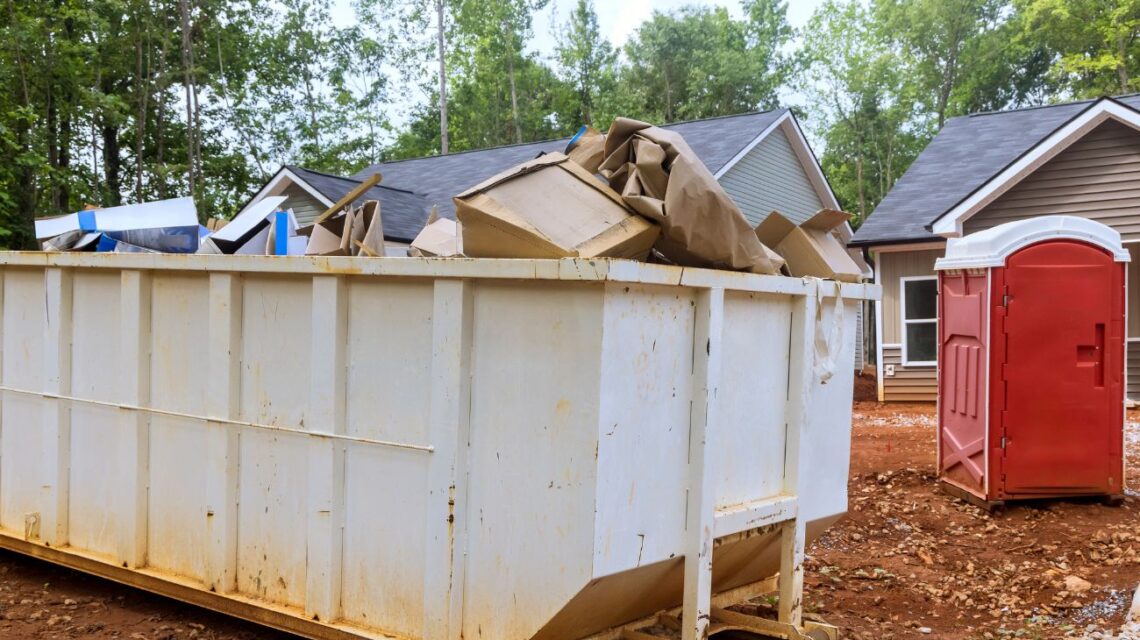
Leftover or broken materials from a remodel—such as drywall, lumber off-cuts, and flooring—are almost always permitted in dumpsters. Keep in mind that large volumes of heavy debris might have weight-limit restrictions, so ask about any potential overage fees.
Roofing Materials (Shingles, Asphalt)
Old shingles, tiles, and asphalt can typically go into the dumpster during a roofing project. Just be aware that roofing materials can get heavy quickly. Some dumpster rental companies require specialized containers for asphalt or shingle disposal—check our guidelines before loading up.
Yard Waste (Branches, Leaves, etc.)
Leaves, branches, and brush from your lawn or landscaping projects can usually be tossed in your dumpster. If you have large tree stumps or significant amounts of dirt, let us know so we can recommend the right size or disposal approach.
Materials Sometimes Allowed With Special Arrangements
When you’re planning a major cleanout or home renovation, renting a dumpster is one of the easiest ways to handle waste removal. However, it’s essential to know which items are allowed in a dumpster and which are restricted. This guide will help you stay informed about the general rules and regulations so you can make the most of your rental from Green Star Roll Off.
Appliances (Without Hazardous Components)
Appliances like washers, dryers, and stoves may be allowed if they’re free of hazardous fluids like freon or oil. Some states or localities require a specialized process for recycling appliances, so contact Green Star Roll Off for more information before tossing them.
Electronics (Small-Scale, Non-Toxic)
Small electronics such as keyboards, outdated phones, or DVD players can often be placed in dumpsters, but larger or more complex devices could have restrictions. Certain electronics contain heavy metals or other toxic materials that need specialized recycling. Check local regulations or ask us if you’re unsure.
Mattresses & Box Springs
Disposal rules for mattresses and box springs can vary greatly depending on local regulations and the condition of the items. We may require advanced notice or additional fees to accommodate these. Consider donating gently used mattresses to charities if they are in good condition.
Dirt and Landscaping Debris
Large quantities of dirt, sod, or other landscaping debris sometimes require specific disposal measures. While we do accept landscaping debris in many cases, it’s best to confirm volume limits so you can plan effectively.
Scrap Metal
Small metal items or scraps are typically acceptable, but we encourage you to recycle if possible. For larger pieces, such as frames or car parts, always confirm with us whether the dumpster can handle them in terms of size and weight.
Prohibited Items
Even the largest dumpsters have certain materials that cannot go inside. Violating these rules can lead to extra fees or even legal consequences.
Hazardous Materials (Chemicals, Paint, etc.)
Any substance labeled as toxic, flammable, or corrosive is generally not permitted. This includes items like paint, cleaning chemicals, pesticides, and solvents. Most communities offer local hazardous waste disposal events—consider using those resources for safe removal.
Flammable or Combustible Items (Propane Tanks, Fuel)
Gasoline, propane tanks, and other fuel sources pose a significant fire or explosion risk. These must be disposed of through specialized facilities.
Batteries (Car or Household)
Batteries often contain heavy metals that can be hazardous if they leak. Local recycling programs or automotive stores usually handle battery disposal more effectively than dumpsters.
Refrigerators, Freezers & AC Units
Freon is a harmful substance that requires professional removal. Appliances containing freon need to be disposed of via specific recycling centers or services that can safely remove the coolant.
Medical or Biohazard Waste
Needles, medical sharps, and biohazardous materials pose serious health risks if not handled correctly. These materials must follow strict disposal procedures and generally are not allowed in standard dumpsters.
Tires (In Most Cases)
Tires can trap water, breed pests, and require special recycling methods. Ask about local tire recycling facilities if you need to dispose of large quantities.
Asbestos
Asbestos is highly hazardous and demands professional abatement procedures. You should never attempt to dispose of asbestos in a typical dumpster. Hire a licensed specialist for safe removal and disposal.
Local Regulations and Guidelines
Dumpster disposal rules can vary depending on where you live. Some cities and counties enforce stricter regulations for environmental protection, so it’s always best to do a bit of research beforehand.
- Why Local Rules Vary: Landfills have different allowances on what they can process, which can impact what you can place in your dumpster.
- Checking Municipality Requirements: Before you start loading up, verify your municipality’s specific rules. A quick call to your local waste management authority can save you from fines and complications.
- Safe Disposal of Restricted Items: If you find yourself with a prohibited item, look into nearby facilities or special programs designed to handle it. Many hazardous materials can be dealt with safely and responsibly outside of dumpster disposal.
Disclaimer:
The information provided on this page is for general informational purposes only and may not apply to every location or situation. Regulations can vary by city, county, and state, so be sure to check with local authorities or consult our team for guidance on your specific project. Green Star Roll Off does not assume responsibility for any penalties or damages resulting from non-compliance with regional or federal regulations.
Have Any Questions?
If you’re unsure whether a specific item belongs in the dumpster or if you need further clarification on local regulations, Green Star Roll Off is here to help. Our team is dedicated to providing guidance so you can dispose of waste responsibly and in compliance with all rules. Feel free to reach out through our contact form, give us a call, or send an email. We’ll be happy to answer any questions and point you in the right direction.
Rent A Dumpster Online Now
Need a dumpster in LA? Fill the form below!