
Ordering the biggest roll-off container on the lot only to find out it won’t clear your gate, fit your driveway, or leave room for your excavator is a mistake that costs contractors and homeowners real money. Before you commit to hauling away an entire construction site or gutting a multi-room renovation, get the precise 40 yard dumpster dimensions, real capacity numbers, and honest guidance on where this size actually works. Green Star Roll Off breaks down the exact length, width, height, and weight specs, plus real-world fit scenarios, so you can rent with confidence and skip the delivery-day surprises.
40 Yard Dumpster Dimensions Explained
Standard Length, Width, and Height
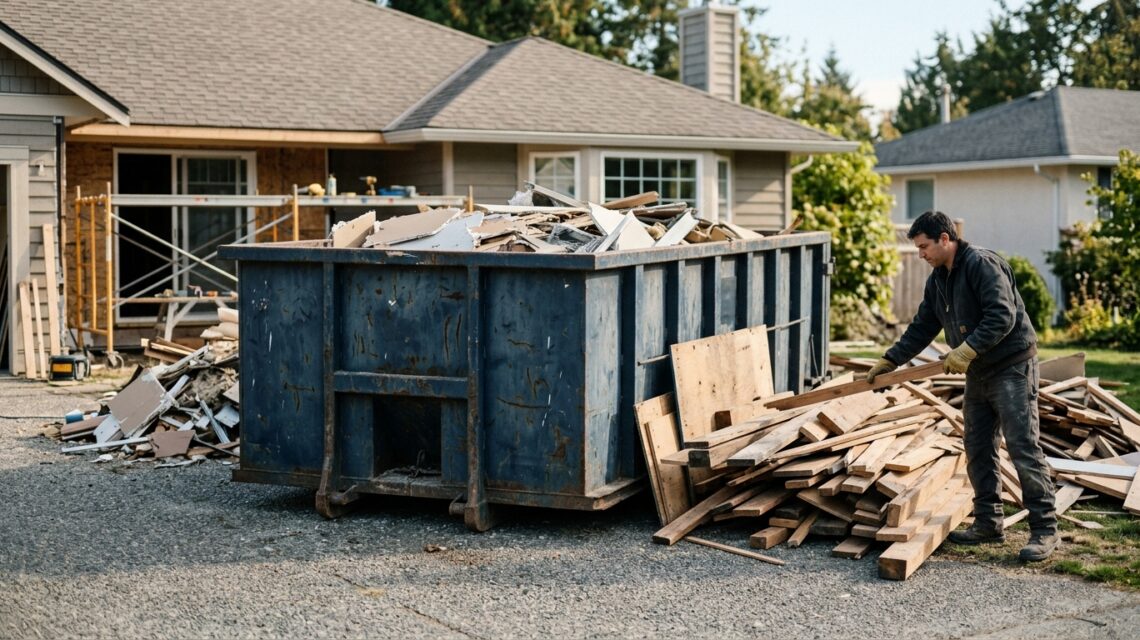
A 40 yard dumpster usually measures 22 feet long, 8 feet wide, and 8 feet tall. Wall height swings more than length or width does. Some units sit closer to 7 feet tall; others reach 8.5 feet. Those few feet matter when you’re planning placement, especially near garage doors or low tree branches.
Volume vs. Physical Footprint
Cubic yardage measures volume, not the footprint on your driveway. A container can hold 40 cubic yards and still need a rectangular pad of roughly 176 square feet. Load height limits also cut into real capacity, since debris has to sit below the rim for safe, legal transport.
| Spec | Typical Range | Why It Matters |
|---|---|---|
| Length | 20–22 ft | Determines driveway or curb space needed |
| Width | 7.5–8 ft | Affects gate and lane clearance |
| Height | 7–8.5 ft | Impacts overhead clearance and fill line |
| Door Type | Swing or walk-in | Changes loading ease for heavy debris |
Why Dimensions Vary by Provider
Manufacturers build containers on different chassis designs, so exact measurements shift from company to company. One provider’s 40-yarder might look a lot like another’s slightly smaller unit. You’ll see the same pattern when comparing 15 yard dumpster dimensions or reviewing a 20 yard dumpster rental across different vendors. Always confirm the exact specs before locking in site plans.
How Much a 40-Yard Dumpster Actually Holds
Cubic Yardage Breakdown
A 40 cubic yard container holds 40 cubes, each one measuring a yard on every side. That’s about 1,080 cubic feet total. In plain terms, that’s roughly 16 pickup truck loads of debris, all in one box.
This capacity fits large-scale jobs like whole-home cleanouts, major renovations, or commercial demolition. Homeowners with smaller projects often compare it to a 15 yard dumpster rental, which holds far less but fits tighter spaces and lighter loads.
Weight Limits and Overage Fees
Most providers cap weight between 4 and 10 tons for a 40-yard container. The exact number depends on local rules and what you’re loading. Heavy debris like shingles, concrete, or wet drywall hits the weight limit long before it fills the space.
Go over that limit and you’ll pay overage fees, usually billed per ton. These add up fast — sometimes doubling your original cost. Knowing your debris type ahead of time helps you dodge surprise charges on pickup day. Comparing weight allowances against 30 yard dumpster dimensions can also show you which size offers better value for denser materials.
Visual Comparisons for Easy Reference
Picture three standard bathrooms lined up side by side. That’s roughly the footprint and volume this container gives you. It’s also close to the cargo space of two full-size moving trucks combined.
Here’s another way to picture it: a 40-yard container can hold about 200 large trash bags. That makes it easier to guess whether your project’s debris will actually fit.
Comparing Dumpster Sizes Side by Side
Picking the right container gets a lot easier once you see every size laid out together. The table below lines up common roll-off options by length, width, height, and typical use.
| Size | Dimensions (L x W x H) | Typical Use |
|---|---|---|
| 10 Yard | 12′ x 8′ x 3.5′ | Small cleanouts, single-room remodels |
| 15 Yard | 16′ x 8′ x 4′ | Garage cleanouts, small roofing jobs |
| 20 Yard | 22′ x 8′ x 4.5′ | Kitchen remodels, medium debris loads |
| 30 Yard | 22′ x 8′ x 6′ | New construction, large additions |
| 40 Yard | 22′ x 8′ x 8′ | Commercial demolition, major cleanouts |
10 to 20-Yard Dumpsters
These smaller sizes work well for tight driveways and lighter debris. A 10-yard bin handles a bathroom gut job. A 15-yard fits a deck removal. Take a closer look at 20 yard dumpster dimensions before booking a mid-size project.
30-Yard Dumpsters
The 30-yard dumpster shares the same footprint as a 40-yard but stands two feet shorter. It’s a solid fit for whole-home renovations that don’t push height limits.
Choosing Between 30 and 40-Yard Options
Size up to 40 yards when volume, not weight, is the problem. Many local businesses clearing large spaces go with a 40 Yard Dumpster Rental for bulky, lightweight loads like insulation or framing.
Is a 40-Yard Roll-Off Right for Your Project
Ideal Projects for Maximum Capacity
This size shines on the big jobs. Whole-home demolitions, major additions, and commercial buildouts produce more debris than smaller bins can handle. A full roof tear-off on a large house, a gutted multi-room renovation, or a warehouse cleanout are all strong matches. Volume and speed matter here — fewer swaps mean less downtime for crews.
Multi-family property turnovers and large landscaping overhauls fit well too. Contractors juggling several trades on one site often prefer one big container over several smaller ones. It simplifies logistics and keeps the job moving instead of stalling for constant hauls.
Red Flags You Need to Size Up
Watch for warning signs mid-project. If your debris pile keeps growing past the rim of a smaller bin, or you’re calling for early pickups again and again, that’s a clear signal you went too small. Frequent extra hauls quickly wipe out any savings from renting small.
Another red flag: mixed heavy and bulky materials together — drywall, lumber, old furniture. That combination eats space fast. Projects that stretch across multiple weeks with ongoing demo work also tend to outgrow anything smaller.
When to Consider a Smaller Bin
Smaller jobs rarely justify this much capacity. A single-room remodel, garage cleanout, or small deck removal usually fits comfortably in a 30 yard roll off dumpster or less, which saves money on rental cost. Paying for space you don’t use adds up fast on modest projects.
Before deciding, compare your estimated debris volume against real options.
Matching Dumpster Size to Project Type
Home Cleanouts and Renovations
Whole-house cleanouts and multi-room remodels often produce more debris than owners expect. A 40-yard container fits large estate cleanouts, whole-home flooring removal, or gutting several rooms at once. For smaller single-room updates, a smaller bin is usually the smarter buy. Check a dumpster sizes guide before booking so the container matches the actual scope.
Roofing and Construction Debris
Roofing and construction jobs generate heavy, dense debris that fills weight limits fast. Shingles, plywood, and drywall pile up quickly, even in a large bin. Consider these factors when sizing for construction work:
- Full tear-off roofing jobs on larger homes often need the extra volume a 40-Yard Roll-Off Dumpster provides.
- Mixed construction debris, including lumber and metal, weighs more than typical household trash per cubic yard.
- New construction and additions usually produce steady debris flow over several weeks, requiring container swaps.
- Concrete, brick, and shingles may require a separate heavy-debris container due to weight restrictions.
Landscaping and Heavy Material Jobs
Landscaping projects vary widely in debris type. Dirt, sod, and tree limbs weigh differently than brush and branches. Volume versus weight matters most here.
- Large tree removal or lot clearing often justifies the largest available container.
- Soil and sod are heavy, so smaller loads may hit weight limits before filling the bin.
- Brush and branches take up space quickly without adding much weight.

Key Factors That Influence Dumpster Sizing
Type and Weight of Debris
Not all debris fills a container the same way. Heavy materials like concrete or roofing shingles hit weight limits fast, even when the dumpster still looks half empty. Light, bulky items like furniture or insulation fill up space quickly without weighing much. Understanding this weight-versus-volume tradeoff keeps you from overage fees or a container that’s the wrong fit for the job.
Total Volume of Material
Before booking, estimate how much material your project will actually generate. A full home cleanout, a roof tear-off, or a major renovation often makes more debris than expected. Consider these factors when calculating volume:
- The square footage of the space being cleared or demolished, since larger areas mean more waste to haul away.
- Whether materials will be broken down or removed whole, which changes how efficiently they stack inside the container.
- The number of rooms, floors, or structures involved in the project’s scope.
- Any bulky items like appliances or cabinetry that take up disproportionate space.
- Past project experience, if available, to compare similar debris loads.
This roll off dumpster rental guide offers helpful benchmarks for estimating volume accurately.
Delivery Location and Site Access
Where the dumpster sits matters almost as much as its size. Site access affects placement, delivery timing, and even which size is practical. Check driveway width, overhead clearance, and ground stability before scheduling delivery. Factor in budget and rental duration too, since longer rentals or tight deadlines can shift which size makes the most financial sense.
Preparing Your Site for Delivery
Measuring Available Space
Before booking, walk your site with a tape measure. A 40-yard container needs roughly 22 feet of length and 8 feet of width for the box alone. But the truck delivering it needs a lot more room. Plan for at least 60 feet of straight clearance so the driver can pull in, drop the bin, and pull out without backing up over and over.
Check overhead space too. Delivery trucks raise their beds several feet during placement, so power lines, tree branches, and low awnings can all get in the way. Review detailed roll off dumpster dimensions ahead of time so you know your driveway or lot can actually fit a box this size before the truck shows up.
Surface, Clearance, and Access Needs
A loaded 40-yard bin can weigh several tons. Soft grass, wet gravel, or thin asphalt can crack or sink under that kind of load. Concrete or compacted, well-drained gravel works best. If you have to place the container on grass, ask about wood planks to spread the weight and protect the ground underneath.
Keep a 10-foot buffer on all sides for the truck’s arm and cables. Avoid placing bins near fences, mailboxes, or parked cars — tight turns during pickup can cause accidental scrapes.
Permits for Placement on Public Property
Placing a container on a street, curb, or public right-of-way usually calls for a city permit. Rules vary by municipality, and fees often depend on how many days the bin sits there. Many local businesses assume driveway space is always available, then find out too late it’s too tight for a 40 Yard Roll-Off Dumpster Rental, forcing a street placement request. Check with your city office early — permit approval can take several business days before delivery.
Loading and Using a Large Roll-Off Container
Safe Loading Practices
Loading a 40-yard container the right way keeps everyone safe and protects the equipment. Heavy debris should always go in first, since it settles better at the base and won’t shift during transport. Break down bulky items before tossing them in, and never climb inside once loading gets underway. For more on how size affects pricing, check this guide on dumpster rental cost.
Distributing Weight Evenly
Uneven loads make a container harder and more dangerous to haul away. Spread weight across the floor instead of piling debris high in one corner. This also helps you stay under the weight limit, since overloaded containers trigger extra fees.
Items That Aren’t Allowed
Certain materials aren’t permitted in roll-off containers due to safety and disposal rules. Before loading, review this list of common restrictions:
- Tires, batteries, and other items requiring special recycling handling.
- Paint, solvents, and other liquid chemicals that can leak or contaminate soil.
- Propane tanks or other pressurized containers that pose explosion risks.
- Asbestos materials, which require certified removal and disposal.
- Medical waste or anything considered biohazardous material.
Following these rules keeps you clear of fines and delays.
Pickup Day: What to Expect
Before the Truck Arrives
A little prep work keeps pickup day smooth. Check that the container isn’t loaded above the fill line — overloaded bins often get flagged and rescheduled. Clear a path from the street to the dumpster. For details on service across the region, see this guide to dumpster rentals los angeles san fernando valley providers offer.
The Pickup Process Step by Step
Roll-off pickup follows a consistent routine. Drivers use a hook-lift or cable system to load the 40-yard container onto the truck bed.
| Step | What Happens | Typical Time |
|---|---|---|
| 1. Arrival | Driver inspects access and load level | 5 minutes |
| 2. Positioning | Truck backs up to the container | 5-10 minutes |
| 3. Hookup | Cable or hook attaches to the bin | 3-5 minutes |
| 4. Loading | Container winches onto the truck bed | 5 minutes |
| 5. Departure | Driver secures the load and leaves | 5 minutes |
Avoiding Delays and Rescheduling
Blocked driveways, parked cars, and low tree branches cause most pickup delays. Overfilled bins stall things too, since drivers can’t legally haul unsecured debris.
Cost Considerations for Large Dumpster Rentals
What Drives Rental Pricing
A 40 yard dumpster rental typically runs between $450 and $900, though prices shift by region and provider. Weight limits play a big role. Most quotes include a set tonnage, often 4 to 8 tons, with overage fees charged per extra ton.
Debris type matters too. Construction waste, roofing shingles, and concrete weigh far more than household junk. A container full of drywall might stay under the limit, while the same box packed with tile or dirt can push costs much higher.
Rental Duration and Extra Days
Standard rental periods run 7 to 14 days. This window usually covers delivery, loading time, and pickup. Projects that drag on, like renovations or estate cleanouts, often need extra days.
Extension fees typically run $5 to $15 per day. Planning your timeline before booking helps you avoid paying for days you don’t need.
Avoiding Unexpected Fees
Read quotes closely for extra charges. Common hidden costs include overweight fees, prohibited item penalties, and trip charges for relocating the container after delivery.
Ask about flat-rate pricing versus itemized billing. Flat rates often include disposal fees upfront, cutting down on surprises. Many local businesses find bundled pricing easier to budget against.
Now that you know roughly how much room a 40 yard container needs — the length, the width, the height of the walls, and the clearance for the truck to set it down — the next step is simply measuring the space you have in mind and being honest about whether it fits. If it doesn’t, that’s useful information too, since a smaller container like the 10 yard lowboy that Green Star Roll Off rents out tucks into tight driveways and handles heavy, dense debris without demanding the same footprint. Take a tape measure outside, sketch the spot, and you’ll be in a good position to match the right size to the job instead of guessing.