
Staring down a whole-house cleanout, a commercial demolition, or a construction project generating mountains of debris, you need serious capacity—not another undersized bin that fills up by lunch. A 40 yard dumpster rental is the largest standard container available, built to handle the biggest jobs without multiple pickups or hidden overage fees. But choosing the right size, understanding true pricing, and navigating local permit rules can trip up even experienced project managers. This guide breaks down what Green Star Roll Off customers need to know in 2026, from exact dimensions and weight limits to cost factors and permit requirements, so you can rent with confidence and skip the costly surprises.
40 Yard Dumpster Rental: What It Is and Who It’s For
What Makes a 40 Yard Dumpster Different
A 40 yard dumpster is the largest roll-off container most companies offer. It handles jobs that smaller bins simply can’t touch: whole-house cleanouts, commercial demolition, new home construction where debris piles up fast. This size exists because some projects generate volume that would require multiple trips with a smaller container.
The jump from mid-size units is significant. Compared to a 30 yard roll off dumpster, the 40 yard model gives you roughly a third more space. That extra room matters when you’re clearing an entire structure or managing ongoing waste from a large renovation. It’s built for scale, not convenience trips.
Typical Customers Who Need This Size
Contractors handling full home demolitions rely on this size constantly. So do property managers clearing out multi-unit buildings after tenant turnover. Large-scale landscaping crews, roofing companies replacing entire commercial roofs, and businesses undergoing major renovations also turn to this container. Many local businesses choose it specifically to avoid ordering a second dumpster mid-project.
Homeowners rarely need this size unless tackling a total gut renovation or estate cleanout with years of accumulated items. Before booking, it helps to review a dumpster sizes guide to confirm your project truly needs this much capacity. Choosing correctly saves money and avoids wasted space sitting empty in your driveway.
40 Yard Dumpster Dimensions and Capacity
Standard Length, Width and Height
A 40 yard dumpster is the largest roll off size most providers offer. Sizes vary slightly by manufacturer, but the standard build stays close to industry norms. Compare it below against a smaller unit, like the 20 yard dumpster rental, to see the size jump.
| Dumpster Size | Length | Width | Height |
|---|---|---|---|
| 20 Yard | 22 ft | 7.5 ft | 4.5 ft |
| 30 Yard | 22 ft | 7.5 ft | 6 ft |
| 40 Yard | 22 ft | 7.5 ft | 8 ft |
How Much Volume It Actually Holds
One cubic yard equals a space 3 feet long, 3 feet wide, and 3 feet tall. A 40 yard container holds 40 of those blocks, or roughly 10,800 gallons of material. That’s about 12 pickup truck loads of debris in one container.
Picture stacking eight refrigerators end to end, then doubling that row three times over. It’s a common choice for large teardown jobs and even a roofing dumpster rental covering a multi-layer tear-off. Height matters most when clearing bulky items like furniture or framing lumber.
Comparing Dumpster Sizes to Find the Right Fit
Choosing the right container starts with comparing options side by side. The table below breaks down three common sizes so you can match capacity to your project’s actual scope.
| Size | Best For | Approx. Footprint | Hauling Capacity |
|---|---|---|---|
| 20 Yard | Small cleanouts, single-room remodels | 22 ft x 8 ft | Holds about 4 pickup truck loads |
| 30 Yard | Home additions, medium renovations | 22 ft x 8 ft (taller sides) | Holds about 9 pickup truck loads |
| 40 Yard | New construction, large commercial jobs | 22 ft x 8 ft (tallest sides) | Holds about 12 pickup truck loads |
30 Yard vs 40 Yard: Key Differences
Both sizes share a similar footprint, but height sets them apart. A 40 yard unit stacks debris higher, giving crews more vertical capacity without expanding the ground space needed. For details on weight thresholds and specs, see this 40 Yard Dumpster Rental overview.
When a Smaller Dumpster Makes More Sense
Bigger isn’t always smarter. Many local businesses handling light demolition or small remodels overpay by renting oversized bins. A 15 yard dumpster rental often covers garage cleanouts, roofing tear-offs, or small landscaping jobs at a lower cost. Check out 15 yard dumpster rental options before committing to a larger size.
How Much Does a 40 Yard Dumpster Cost?
Factors That Influence Total Price
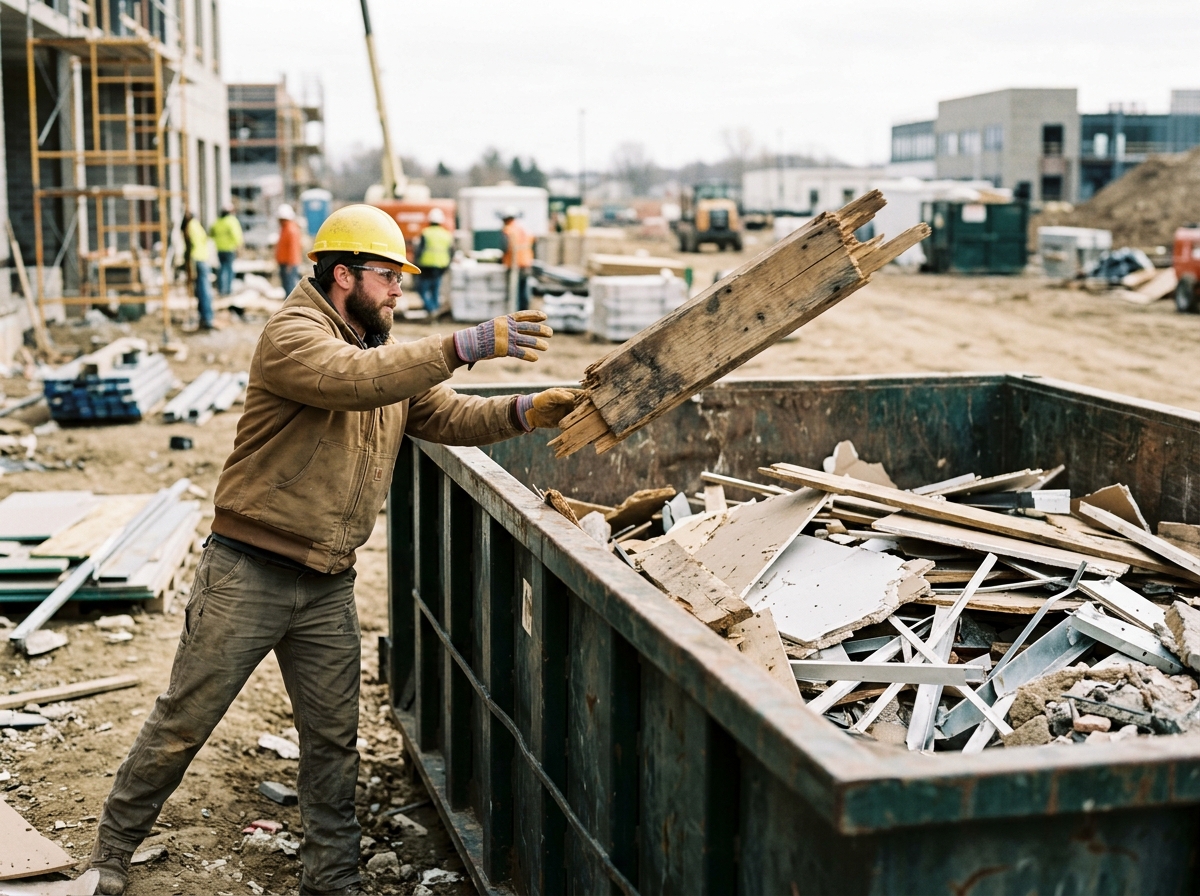
A 40 yard dumpster typically costs between $500 and $900 per rental. The final price depends on several details. Location matters because local dump fees and travel distance change fast. Dense urban areas often cost more than suburban ones.
Debris type plays a big role too. Heavy materials like concrete or shingles cost more to haul and dispose of than household junk. Mixed household waste is usually the cheapest option. Rental duration also affects price. Most companies include 7 to 10 days in the base rate. Extra days usually add a small daily fee, often $5 to $15.
Smaller jobs sometimes don’t need this size at all. For light cleanouts, a 10 yard dumpster rental may cost far less and still fit the project.
Flat Rate vs Weight-Based Pricing
Many providers offer a flat-rate price that includes delivery, pickup, and a set weight allowance. This model works well for predictable jobs like home renovations or garage cleanouts. You know the cost upfront, with no surprises unless you exceed the weight limit.
Weight-based pricing charges by the ton after disposal. This model suits jobs with unknown debris weight, like demolition work. It can save money for lighter loads but risks higher bills for dense materials.
Residential jobs often run $400 to $650, while commercial and construction projects can reach $700 to $900 due to heavier debris. Before booking, compare quotes carefully. You can Rent a 40 Yard Dumpster to see sample pricing structures from national providers for reference.
Weight Limits and Overage Charges Explained
How Many Tons a 40 Yard Dumpster Holds
Most 40 yard containers include a weight allowance between 4 and 6 tons. That’s 8,000 to 12,000 pounds of debris. This limit varies by provider and by location, so it pays to ask before booking.
Heavier materials fill the weight limit fast, even in a large container. A truckload of shingles or concrete can hit the ton cap long before the box looks full. Bulky but light debris, like furniture or a yard waste dumpster full of branches, rarely comes close to the limit.
What Happens If You Go Over the Limit
Every rental agreement lists a per-ton overage rate. Most companies charge $50 to $100 per extra ton. This fee gets added after the container is weighed at the disposal facility.
Overweight loads also create safety concerns. Drivers may refuse pickup if a dumpster is loaded above the legal hauling weight. This can delay your project and add a second trip charge. Some haulers, similar to those offering Dumpster Rental Fresno, CA | From $296.95 | Fast Delivery, list these penalty rates clearly upfront, which helps renters plan ahead and avoid confusion later.
How to Avoid Surprise Overage Fees
Estimate weight before you start filling. Concrete and dirt weigh roughly 2,000 pounds per cubic yard. Mixed household debris weighs far less.
Ask your provider for the exact weight limit tied to your rental. Spread heavy materials evenly across the container instead of stacking them in one corner. When possible, separate heavy debris into a smaller, dedicated container to keep the main load within budget.
Best Projects for a 40 Yard Roll Off Container
Whole-Home Remodels and Additions
A 40 yard container fits large-scale remodeling work. Full kitchen and bathroom overhauls, second-story additions, and whole-house renovations produce heavy volumes of debris. This size handles drywall, cabinetry, flooring, and framing scraps from multiple rooms at once. New construction projects also benefit, since builders generate steady debris throughout the build.
Estate and Property Cleanouts
Clearing out a family home after a loss is stressful. An estate cleanout often means sorting through decades of belongings, furniture, and stored items. Hoarder situations add extra weight and volume, making a large container essential for one-pass removal instead of multiple smaller loads.
Commercial Construction and Demolition
Commercial jobs demand serious capacity. Many local businesses rely on this size for renovations, tenant buildouts, and partial demolitions. Consider these common commercial uses:
- Interior demolition of office suites, removing walls, ceiling tiles, and old flooring in one haul.
- Retail store renovations that generate fixtures, shelving, and packaging waste needing quick removal.
- Warehouse cleanouts involving pallets, damaged inventory, and industrial packaging materials.
- Restaurant remodels producing broken equipment, tile, and construction debris on tight timelines.
- Roofing and exterior projects on commercial buildings that create large volumes of shingles and sheathing.
For comparison, project standards elsewhere, like the Highest Ranked Dumpster Rentals in Sacramento, CA, show how demand for large containers spans multiple markets, not just Los Angeles.
What You Can and Can’t Throw Away
Accepted Materials and Debris
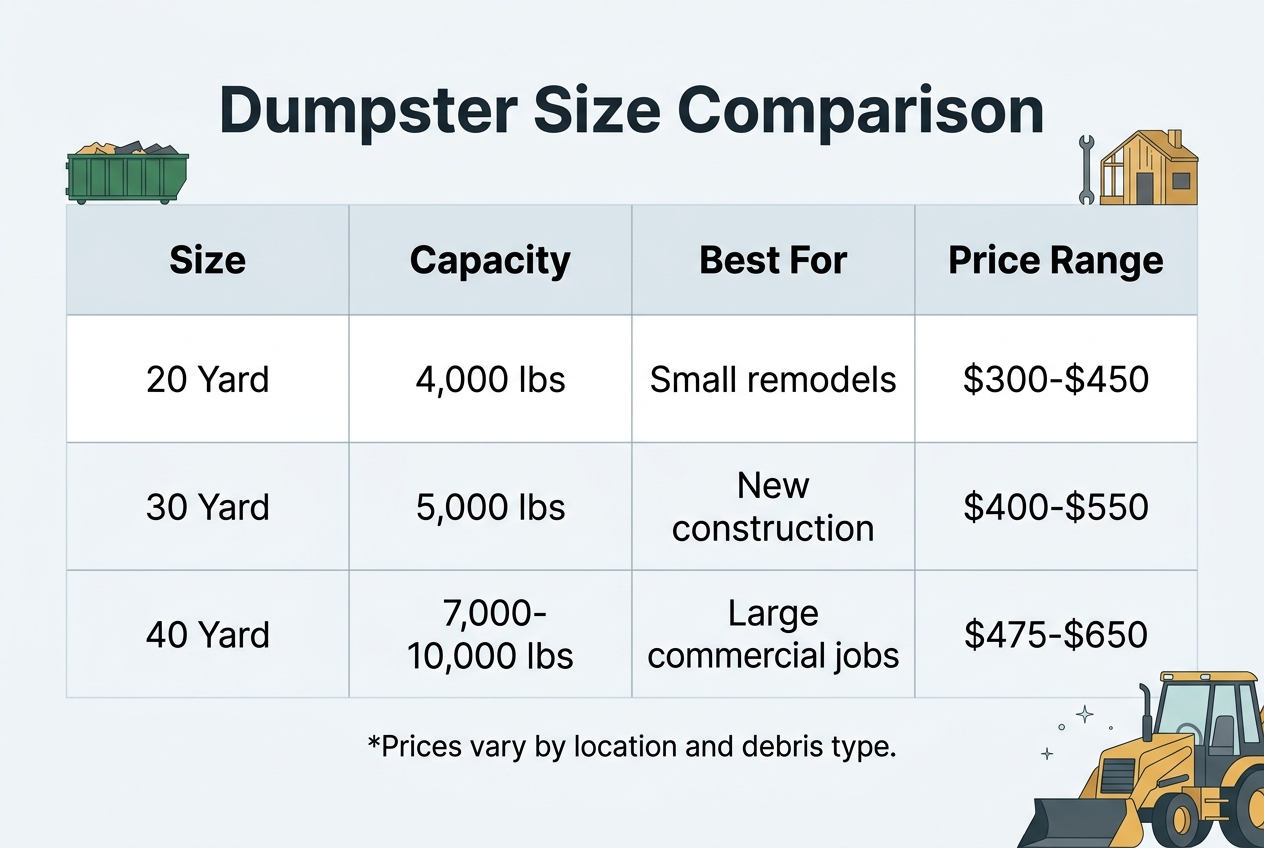
A 40 yard container handles most everyday project waste. Before you load anything, it helps to review what can you throw in a dumpster so your rental stays compliant. General debris from remodels, cleanouts, and demolition jobs is usually fine.
- Wood scraps, lumber, and framing material left over from construction or renovation work.
- Drywall, plaster, and other interior finishing debris pulled during remodels.
- Old furniture, mattresses, and bulky household items cleared during a move or cleanout.
- Roofing shingles, siding, and general construction debris from small to mid-sized jobs.
- Flooring materials like carpet, tile, and laminate removed during upgrades.
Restricted and Prohibited Items
Some materials are banned because they pose safety or environmental risks. Hazardous waste, including paint cans, chemicals, and asbestos, needs special disposal. Tires and electronics are usually rejected too, since they require separate recycling processes. Appliances often need extra handling because of refrigerants or heavy motors, so ask ahead about fees. Heavy debris like concrete, brick, or dirt may exceed weight limits fast, even in a large container. If you’re comparing options in another region, resources like Cullman Dumpster Rental | Simple Flat Rates show how rules can vary by provider and location. Always confirm restrictions before loading questionable items.
Permits, Placement, and Delivery Requirements
Do You Need a Permit for This Size
A 40 yard dumpster is large. Because of its footprint, placement rules matter more than with smaller bins. If the container sits on your own driveway or private property, most cities skip the permit requirement. Street placement is a different story.
Setting a dumpster on a public street, curb, or sidewalk almost always requires approval first. Cities want to protect traffic flow and pedestrian safety. Researching dumpster permits before your rental date can save you a delay or a fine. Rules vary by city, so check with your local building or public works department early.
Permit costs and processing times differ widely by location. Some cities issue approval within a day. Others require a week or more, especially during busy construction seasons. Plan ahead if your project has a tight start date.
Choosing the Right Placement Location
The ideal surface is flat, solid, and stable. Concrete or asphalt driveways work best. A loaded 40 yard dumpster can weigh over 20,000 pounds, so soft grass or gravel may sink or shift under that pressure.
Measure your space before delivery day. You need roughly 60 feet of straight clearance for the delivery truck to maneuver and unload safely. Overhead clearance matters too, since low branches or wires can block the lifting arm during drop-off or pickup.
Space and Access Requirements for Delivery
Local regulations can shape delivery scheduling in ways renters don’t expect. Some neighborhoods restrict heavy truck traffic during certain hours. Others require notice before blocking a lane or sidewalk. Many cities that manage Roll Off Dumpster Rentals in Austin, TX handle scheduling similarly, coordinating around school zones and rush-hour traffic.
Always confirm access width, ground conditions, and time restrictions with your provider before booking. This one step prevents most delivery headaches.
Steps to a Smooth Rental Experience
Preparing Your Site Before Delivery
Clear a flat space about 60 feet long and 15 feet wide. This gives the truck room to maneuver. Move cars, low branches, and patio furniture out of the way. Mark utility lines if you’re placing the bin near a driveway edge. If you’re clearing out a home for a moving dumpster rental, box up items early so loading goes faster once the container arrives.
What Happens on Delivery and Pickup Day
Drivers place the dumpster using a roll-off truck, then walk you through safe usage. Pickup works the same way in reverse. The table below outlines the typical timeline.
| Stage | Timeframe | What to Expect |
|---|---|---|
| Delivery | Same-day or next-day | Driver confirms placement spot |
| Rental period | 7-10 days typical | Fill container at your pace |
| Extension request | Anytime before pickup | Extra days added for a small fee |
| Pickup call | 24 hours notice | Confirm container is accessible |
| Final pickup | Scheduled window | Truck hauls container away |
Loading Tips for Maximum Efficiency
Load heavy items first, flat items along the walls, and break down bulky pieces. Keep weight evenly distributed to avoid tipping fees. Many crews reviewing options, including Gretna Containers | Dumpster Rental Omaha, NE | Best Prices, recommend filling gaps with smaller debris to maximize space.
Frequently Asked Questions About Renting a 40 Yard Dumpster
How Long Is the Standard Rental Period
Most rental agreements cover 7 to 10 days as the standard window. This gives crews enough time to fill the container without rushing. Some providers offer shorter three-day options for quick cleanouts, while others allow longer 14-day terms for bigger renovation projects.
Extensions are usually simple to arrange. A quick phone call before the deadline can add extra days for a modest daily fee, often between $10 and $15. Planning ahead avoids late charges and keeps the job on schedule.
If a project runs longer than expected, ask about swap-outs too. A full 40 yard container can be emptied and returned, letting work continue without a long pause. This option works well for demolition jobs with steady, heavy debris flow throughout the week.
Can You Rent Multiple Dumpsters at Once
Yes, ordering more than one container is common for large-scale work. Commercial demolitions, multi-unit renovations, and estate cleanouts often generate more debris than one bin can hold. Many local businesses request two or three units placed side by side to keep crews moving efficiently.
Space matters when planning multiple containers. Each unit needs roughly 60 feet of clearance for delivery trucks, so measure the lot beforehand.
Regarding driveways, this size isn’t automatically too big. A standard driveway can usually fit one unit, though tight residential lots may need street placement instead, which sometimes requires a permit.
If you’re tackling a big project in Los Angeles or the San Fernando Valley and need a 40 yard dumpster you can count on, Green Star Roll Off has you covered with same-day rentals and competitive pricing for residential, commercial, and construction jobs alike. Their team makes it easy to get the right size on-site fast, without the usual hassle. Reach out today to book your dumpster and get your project moving.