
Sorting through a home renovation, a commercial cleanout, or a major landscaping project in Los Angeles or the San Fernando Valley usually means one thing: a mountain of debris with nowhere to put it. Add in local permit rules, sizing questions, and confusing pricing structures, and the headache gets worse fast. Green Star Roll Off built this 2026 guide to cut through that confusion. It gives property owners, contractors, and project managers a clear, current roadmap to dumpster rentals across the region. From choosing the right container size to understanding local regulations and avoiding hidden fees, you’ll find the practical answers you need to keep any project on schedule and within budget.
Dumpster Rentals: What Every First-Time Renter Should Know
How Roll Off Dumpsters Work
A roll off dumpster is a large open-top container delivered on a specialized truck. The driver rolls the bin off the trailer at your curb, driveway, or job site. Once it’s full, the same truck hooks up and hauls it away for disposal or recycling. In Los Angeles, this usually happens within a set rental window, often seven to ten days.
Most companies offer several sizes. A 30 yard roll off dumpster is a common pick for larger remodels or estate cleanouts. Understanding the mechanics helps first-time renters plan parking, permits, and timing before the truck ever shows up.
Same-Day vs Scheduled Delivery
Same-day delivery means your dumpster arrives within hours of booking, not days later. This works because local providers keep trucks and empty containers staged near high-demand neighborhoods across the Valley. Dispatchers route drivers based on real-time availability, which cuts wasted travel time.
Scheduled delivery fits planned projects like kitchen remodels or roofing jobs, where you set a date weeks ahead. Same-day service suits urgent situations, like storm cleanup or last-minute move-outs. Knowing which option your project needs prevents unnecessary delays.
Common Reasons People Rent a Dumpster
Homeowners rent dumpsters for garage cleanouts, landscaping debris, and small demolition work. Contractors rely on them daily for framing scraps, drywall, and roofing tear-offs. Many local businesses use bins for office renovations or seasonal decluttering, especially during lease turnovers.
Demand keeps rising as more Los Angeles residents tackle DIY projects and ADU construction.
Choosing the Right Dumpster for Your Project Type
Residential Cleanout Projects
Home projects usually mean furniture, old appliances, boxes, and general household junk. A residential dumpster rental is built for this mix, not heavy debris. Garage cleanouts, moving prep, and estate cleanups fit well into smaller bins that keep clutter contained without wasting space.
Homeowners often underestimate volume until the bags pile up fast. Choosing the right size matters more than choosing the biggest option available. For a closer look at how these projects work, this guide to residential dumpster rental breaks down common household scenarios and load types.
Commercial & Business Projects
Many local businesses generate steady waste from remodels, inventory turnover, or office cleanouts. These jobs often need consistent pickup schedules rather than a single one-time haul. Commercial waste tends to include packaging, fixtures, and mixed office debris, which differs from home cleanouts.
Retail buildouts and restaurant renovations often produce bulky materials like shelving or flooring. Matching the dumpster to that debris type prevents overloading and keeps the project on schedule.
Construction & Demolition Jobs
Construction sites produce heavier, denser debris like concrete, wood, drywall, and metal. These materials weigh far more than household trash per cubic yard. Demolition debris often requires sturdier containers rated for higher tonnage limits.
Roofing tear-offs, kitchen remodels, and full demolitions each create different waste profiles. Mixing shingles with concrete, for example, can quickly exceed weight limits. Planning debris type ahead of time helps crews avoid overage fees and delays.
Dumpster Size Guide: Finding the Right Fit
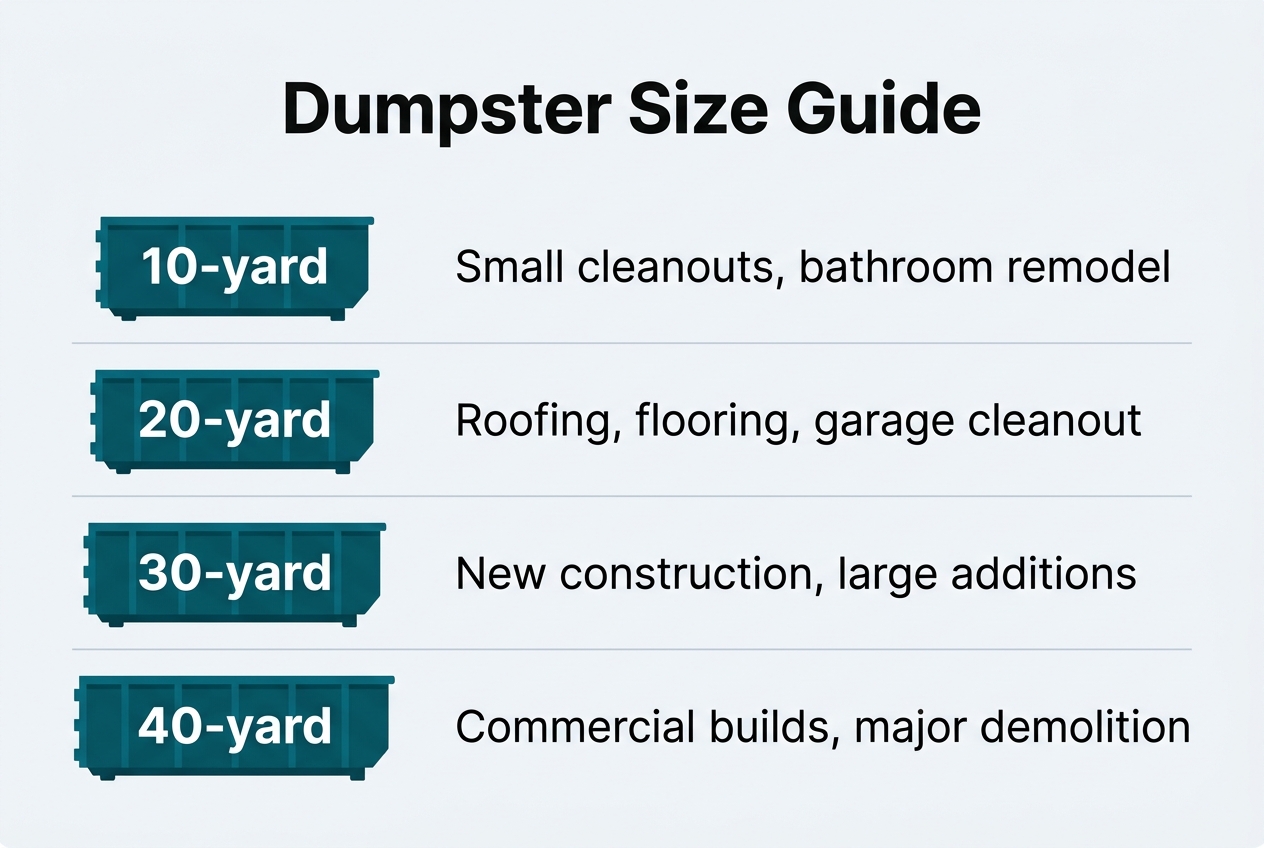
Choosing the correct size matters more than most renters expect. Pick one too small, and you’ll pay for a second haul. Pick one too big, and you’re wasting money on empty space. This dumpster sizes guide breaks down the most common options so you can match capacity to your actual project.
| Size | Best For | Approx. Truckloads |
|---|---|---|
| 15 Yard | Small cleanouts, bathroom remodels | 4-5 |
| 20 Yard | Garage cleanouts, flooring jobs | 6-7 |
| 24 Yard | Mid-size renovations | 7-8 |
| 30 Yard | Home additions, large cleanouts | 9-10 |
| 40 Yard | Commercial builds, major demolition | 12+ |
15 and 20 Cubic Yard Dumpsters
These smaller sizes suit single-room projects and light debris removal. If your job is even smaller, a 10 Yard Dumpster Rental may fit better.
24 and 30 Cubic Yard Dumpsters
These handle heavier volume from remodels or whole-house cleanouts without overshooting your budget.
40 Cubic Yard Dumpsters
Save this largest option for commercial demolition or new construction debris.
How to Rent a Dumpster in 4 Simple Steps
Requesting a Quote and Scheduling Delivery
The process starts with a simple call or online request. A dedicated provider will ask about project type, debris volume, and driveway access. Understanding dumpster rental cost factors upfront helps you pick a size that fits your budget. Delivery is often available the same day or next morning.
Preparing Your Space and Loading the Dumpster
Clear a flat, ten-foot-wide space before drivers arrive. Keep the container loaded evenly and below the fill line. This prep step prevents delays and extra fees.
The table below breaks down the four-step journey many local businesses and homeowners follow.
| Step | Action | Typical Timeframe |
|---|---|---|
| 1 | Request quote, choose size | Same day |
| 2 | Confirm delivery window | 24-48 hours |
| 3 | Load debris safely | 3-10 days |
| 4 | Schedule pickup and weigh-in | 1-2 days |
Scheduling Pickup and Final Weigh-In
Once loading is done, call to request pickup. The truck hauls the dumpster to a certified scale for a final weigh-in, which determines any overage charges. This step confirms your final invoice accurately.
What Affects Dumpster Rental Pricing
Size, Weight Limits, and Rental Duration
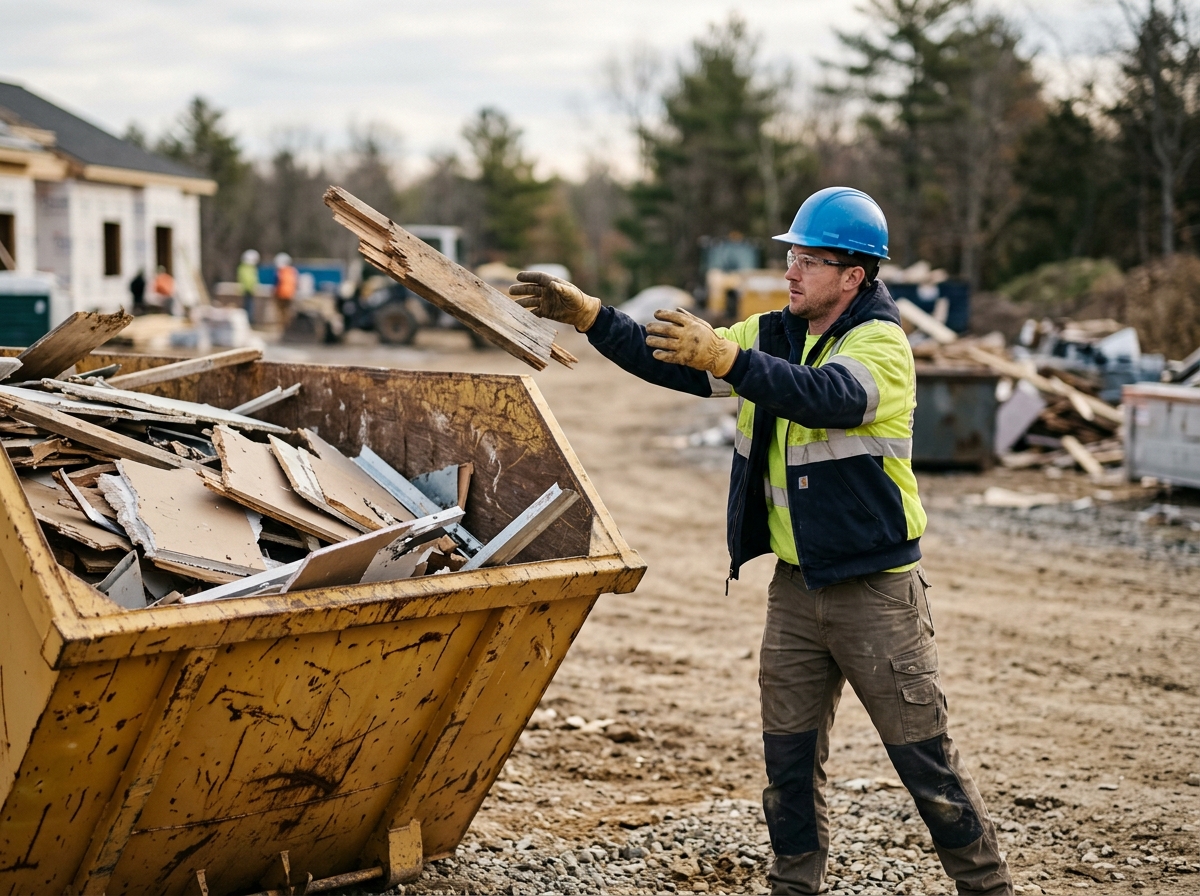
Several factors shape the final dumpster rental cost. The container size matters most. A 10-yard bin costs less than a 40-yard unit because it holds far less debris. Bigger jobs, like full home remodels, need larger containers and higher budgets.
Weight limits also drive price. Most rentals include a set ton allowance, often two to three tons for smaller bins. Heavy materials like concrete, dirt, or shingles add up fast. Going over the limit triggers extra per-ton fees, sometimes $50 to $100 more.
Rental duration plays a role too. Standard periods run seven to ten days. Keep a dumpster longer than agreed, and you’ll usually face daily extension charges. Planning your project timeline helps you dodge surprise costs.
Location and Permit Requirements
Where you place the dumpster affects pricing. Driveway placement usually costs nothing extra. Street placement often requires a city permit, which adds a fee. Los Angeles and San Fernando Valley cities each set their own permit rules and pricing.
Delivery distance can nudge cost up slightly, especially for remote or hard-to-reach properties. Confirming placement plans early keeps quotes accurate and avoids last-minute permit scrambles.
Ways to Save on Your Rental
Smart planning keeps expenses down. Choose the right size the first time to avoid needing a second bin. Break down bulky items to use space efficiently. Sort recyclables separately when possible, since clean loads sometimes cost less.
Comparing quotes helps too.
What You Can and Cannot Throw Away
Accepted Household and Construction Debris
Most roll off containers accept everyday junk and job site waste. Knowing what can you throw in a dumpster saves time and avoids extra fees later.
- Household clutter like old furniture, broken appliances, and boxes of unwanted belongings.
- Construction debris including drywall scraps, wood framing, and broken concrete chunks.
- Roofing materials such as shingles, tar paper, and old flashing removed during a re-roof.
- Yard waste like branches, sod, and dirt from landscaping projects.
- Flooring materials, including carpet, tile, and laminate pulled up during remodeling.
Prohibited and Hazardous Materials
Hazardous items are never allowed in a standard container. This includes paint cans, motor oil, gasoline, propane tanks, car batteries, asbestos, and medical waste. These materials can contaminate soil and water, and most Dumpster Rental providers must follow strict state and local rules against them. Mixing hazardous waste into a load can also halt the entire pickup.
Items Requiring Special Disposal
Some materials need separate handling instead of a standard bin. Tires, mattresses, electronics, and refrigerators often require special drop-off sites or added fees. Ask ahead about these items so the crew can plan proper disposal and keep the project moving smoothly.
Where and How to Place Your Roll Off Dumpster
Placing a Dumpster in a Driveway or Yard
Most driveways handle a roll off dumpster without trouble. A concrete or asphalt surface gives the truck a stable spot for drop-off and pickup. Measure your driveway width first. A standard bin needs about 8 feet of clearance side to side and 22 feet of length for the delivery truck to maneuver.
Yards work too, but soft ground can shift under a loaded container. If you’re tackling a large teardown or full remodel, check out this guide on 40 yard dumpster rental options before choosing a spot, since bigger bins need firmer ground and wider access paths.
Street Placement and Permit Rules
Placing a dumpster on a public street usually requires a permit from your city or county. Check the fee, time limit, and any marker or lighting requirements with the city before delivery. Skip this step, and you risk a fine.
Rules vary by jurisdiction. Always confirm local requirements before scheduling delivery.
Protecting Your Property During Delivery
A loaded dumpster is heavy, sometimes weighing several tons. Placing plywood boards or thick rubber mats under the container protects driveways from cracks and dents. This surface protection step is simple but often overlooked.
Mark sprinkler heads, utility covers, and low tree branches before delivery. Clear a straight path at least 60 feet long so the truck can back in safely. A few minutes of prep prevents costly repairs later.
Residential vs Commercial vs Construction Dumpsters Compared
Every project has different needs. The table below shows how size, rental length, and cost typically shift across the three main use cases.
| Project Type | Typical Size | Average Duration | Cost Range |
|---|---|---|---|
| Home renovation | 10-20 yards | 3-7 days | $300-$500 |
| Full home cleanout | 20-30 yards | 1-2 weeks | $400-$650 |
| Ongoing commercial use | 20-40 yards | Monthly service | Varies by pickup schedule |
| Construction demolition | 30-40 yards | 2-4 weeks | $500-$800+ |
Home Renovation and Cleanout Needs
Homeowners usually need a smaller dumpster for short jobs like kitchen remodels or garage cleanouts. These rentals rarely last more than a week.
Ongoing Commercial Waste Removal
Many local businesses need repeated pickups instead of a one-time drop-off. Retail stores and offices often set up scheduled swaps to manage steady waste volume.
Heavy Debris From Construction Sites
Concrete, wood, and metal debris demand tougher equipment. A construction dumpster rental handles heavier loads over longer timelines, often several weeks.
Avoiding Common Dumpster Rental Mistakes
Underestimating the Size You Need
Many renters guess on size and regret it later. A small remodel can fill a bin faster than expected, forcing a costly swap mid-project. Ordering a 20 yard dumpster rental for mixed debris often prevents that scramble, since it handles bulky items without overflowing.
Overfilling or Exceeding Weight Limits
Overloading is one of the most frequent and expensive errors. Weight limits matter as much as size, and ignoring them leads to surprise fees. Watch for these common issues:
- Piling debris above the fill line, which violates safety rules for hauling trucks.
- Tossing heavy materials like concrete or dirt into a bin meant for light waste.
- Mixing banned items such as tires, batteries, or paint cans into general debris.
- Assuming all trash counts the same, when wet materials can double actual weight.
- Skipping a quick call to confirm what’s allowed before loading begins.
Forgetting Permit or Placement Rules
Placement mistakes cause delays and fines. Street parking often requires a city permit, and skipping that step can stall a project for days. Plan ahead by checking local rules, marking a level spot on your property, and confirming access for pickup trucks before delivery day arrives.
Frequently Asked Questions About Renting a Dumpster
How Long Can I Keep the Dumpster?
Most rental periods run 7 to 10 days, though timelines vary by provider and project size. A small cleanout may only need a weekend. A remodel or new build might require several weeks. Extensions are usually available for a daily fee if your project runs long.
- Standard rentals typically include a set number of days built into the base price.
- Extra days beyond the agreed term are billed at a flat daily rate.
- Booking a 15 yard dumpster rental for a short cleanout can save money if you only need a few days.
- Longer construction jobs often qualify for discounted extended-term pricing.
- Calling ahead about a delay helps avoid late fees or scheduling conflicts.
Can Renters and Apartment Residents Book One?
Yes. Renters can order a dumpster, but property manager approval is often required first. Placement usually happens in a driveway, parking lot, or designated area on the property. Always confirm access rules before scheduling delivery.
What Happens If the Dumpster Is Overweight?
Every dumpster has a weight limit based on its size. Go over that limit, and you’ll face an overage charge, calculated per ton. Heavy materials like concrete, dirt, and shingles fill weight limits fast, even in a partly empty container. Knowing your load type ahead of time helps you avoid surprise fees.
Serving Los Angeles and the San Fernando Valley
Areas We Deliver To
Coverage spans the wider Los Angeles area and every corner of the San Fernando Valley. That includes Van Nuys, North Hollywood, Burbank, Sherman Oaks, Reseda, Encino, and beyond. Local coverage means shorter drive times and faster drop-offs. Crews know the streets, the traffic patterns, and the best routes for hauling heavy loads through busy neighborhoods.
Homeowners tackling a garage cleanout and contractors managing a multi-unit build both fall under the same service map. Property size or job type doesn’t limit access. A resident near Sun Valley can find a full breakdown of options through this dumpster rental sun valley resource, which outlines availability specific to that community.
Same-Day Availability Near You
Many neighborhoods qualify for same-day drop-off, especially when orders come in before early afternoon. This matters most during time-sensitive jobs like storm cleanup or last-minute renovation deadlines. Waiting days for a bin isn’t practical when debris is piling up fast.
Availability varies block by block depending on truck routes and current demand. A dispatcher checking a Valley address can usually confirm a delivery window within minutes. That kind of neighborhood-level responsiveness keeps small projects and large jobsites moving without costly delays.
Local Permit Knowledge
Placing a dumpster on a public street often requires a permit from the city. Rules differ between Los Angeles city departments and separate Valley municipalities. Knowing which office to contact, and how long approval takes, prevents fines and stalled projects.
Many local businesses rely on this knowledge to avoid guesswork. Local expertise means understanding setback distances, weight limits on residential streets, and seasonal restrictions tied to street sweeping or construction zones across the region.
Ready to Book Your Dumpster Rental Today
Getting a Fast, Free Quote
A quick call or online form is all it takes to get started. Most quotes are ready within minutes, with clear pricing based on size, weight limit, and rental length. There’s no pressure and no obligation. If you’re clearing out a garage or handling a small remodel, a 10 yard dumpster rental often covers the job at a fair price.
Have your project details ready before you call. Knowing the debris type and estimated volume helps the team match you with the right container size on the first try, saving time and avoiding swap fees later.
What to Expect on Delivery Day
Delivery is straightforward. Drivers confirm placement, protect driveways when needed, and set the dumpster within the agreed window. Reliability matters most here, since delays can stall an entire project timeline.
Support doesn’t end at drop-off. If questions come up about fill lines, weight limits, or pickup scheduling, help is a phone call away. Booking a dumpster should feel simple from start to finish, and staying available throughout the rental keeps small issues from becoming big ones.
When the bag on your driveway starts looking too small for what you’ve actually pulled out of the garage, it’s worth stepping back and sizing the job honestly before another weekend disappears. A steel roll-off container handles the same small-footprint work without the volume ceiling, and a 10 yard lowboy from Green Star Roll Off sits low enough that you’re tossing debris in rather than lifting it overhead. Take a walk through the pile, estimate what’s really there, and let that number guide the container you end up with.